
Contents
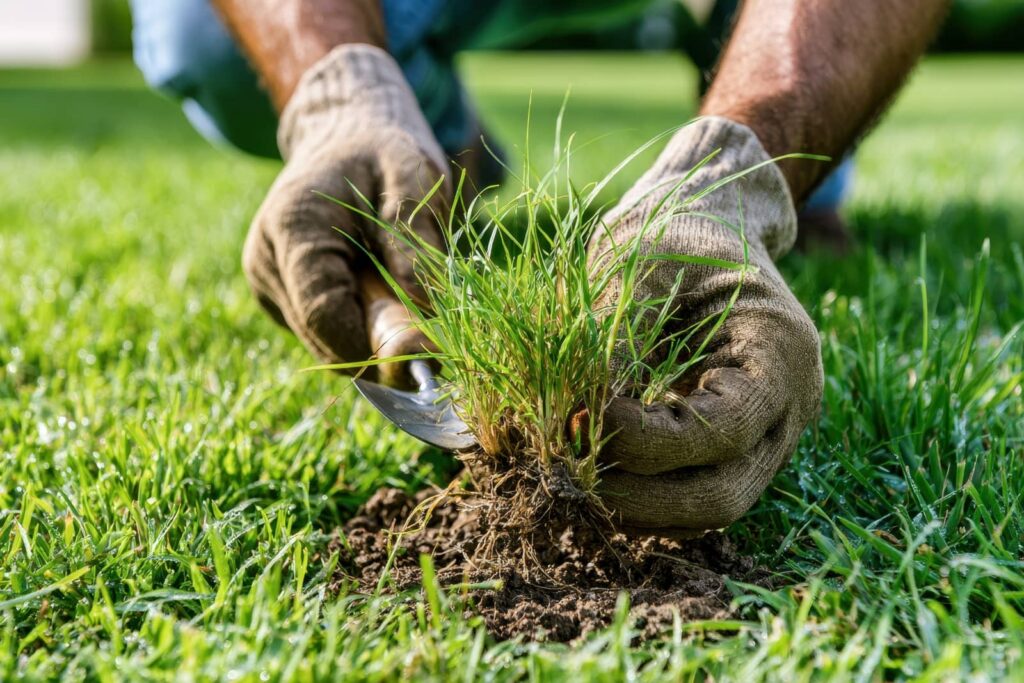
Did you know that applying weed repellant at the wrong time can reduce its effectiveness? To ensure your lawn stays healthy and vibrant, it’s essential to understand the best practices for application. From preparing your lawn to selecting the right product, each step plays an important role. Let’s explore the fundamental tips that can make a significant difference in your weed management strategy.
Key Takeaways
- Prepare the lawn by assessing soil and removing debris to ensure effective weed repellant penetration.
- Apply on calm, dry days with temperatures between 60°F and 85°F for optimal results.
- Choose the right weed repellant based on weed type and whether you need pre-emergent or post-emergent solutions.
- Ensure your sprayer is calibrated correctly and apply in overlapping passes for even coverage.
- Monitor lawn health post-application and adjust watering and fertilization practices accordingly.
Preparing Your Lawn Before Applying Weed Repellant
Before you apply weed repellent, it’s important to prepare your lawn properly to ensure maximum effectiveness.
Start with a thorough soil assessment; check for compacted areas and drainage issues. Loosening compacted soil improves water and nutrient absorption, creating a healthier lawn.
Next, mow your grass to a height recommended for your specific type; shorter grass allows the weed repellant to reach the soil more effectively.
Rake up any debris, like leaves or dead grass, ensuring nothing blocks the treatment.
Finally, water your lawn a day before application; moist soil helps the repellant penetrate better.
When’s the Best Time to Apply Weed Repellant?
It’s also essential to take into account the weather; applying on a calm, dry day enhances effectiveness.
Avoid rainy days, as heavy rain can wash away your efforts.
Finally, keep an eye on the temperature—applying when it’s between 60°F and 85°F ensures ideal absorption.
Choosing the Right Type of Weed Repellant for Your Lawn
When choosing the right type of weed repellant for your lawn, consider whether you prefer chemical or organic options.
You’ll also need to decide between pre-emergent and post-emergent treatments, as each serves a specific purpose.
Finally, mastering targeted application techniques can ensure your efforts are both effective and efficient.
Chemical vs. Organic Options
Choosing the right type of weed repellant for your lawn involves weighing the benefits and drawbacks of chemical versus organic options.
Chemical safety is essential, especially if you have pets or children. While chemical repellants often show quick results, they can have a significant environmental impact.
On the other hand, organic benefits include safer application methods and eco-friendliness, though they may require more frequent application and deeper knowledge of product selection.
Cost comparison reveals that organic options can sometimes be pricier upfront, but user experiences often highlight long-term soil health.
Conducting an effectiveness analysis of both types can help you decide which suits your lawn best, balancing immediate results with sustainable practices.
Pre-Emergent vs. Post-Emergent
Understanding the difference between pre-emergent and post-emergent weed repellants is essential for effective lawn care.
Pre-emergent benefits include preventing weed seeds from germinating, making it vital to apply them before weeds appear. Timing is key—apply them early in the season for the best results.
On the other hand, post-emergent repellants target existing weeds. However, be aware of post-emergent drawbacks; they can stress your lawn and may require repeat applications.
Identifying the specific weeds in your yard helps you choose the right approach. If you spot unwanted growth, opt for post-emergent solutions, but for a proactive stance, pre-emergents will keep your lawn looking pristine.
Choose wisely based on your lawn’s needs and the weeds you face.
Targeted Application Techniques
Identifying the right type of weed repellant for your lawn means considering your specific weed issues and applying targeted techniques.
Start by evaluating which weeds plague your space—knowing whether they’re broadleaf or grassy helps. For a precise application, use spot treatments instead of blanket spraying; this minimizes chemical use and protects desired plants.
Choose a product designed for your specific weeds, ensuring effectiveness. Always follow the label instructions for timing and quantity, as applying too early or late can reduce efficacy.
Finally, consider weather conditions; applying during calm, dry days enhances absorption.
How to Apply Weed Repellant Evenly
Applying weed repellant evenly is crucial for achieving the best results in your garden or yard. Start by confirming your sprayer calibration is accurate; this ensures the correct amount of product is dispensed.
Next, employ effective application techniques such as overlapping your passes slightly. This helps eliminate any missed spots, providing thorough coverage. Move systematically, whether in rows or a grid pattern, so you don’t overlook any areas.
If using a backpack sprayer, adjust the nozzle to create a fine mist, which promotes even distribution. Finally, keep the sprayer at a consistent height above the weeds for uniform application.
Tips for Weather Conditions During Application
Before you start applying weed repellant, consider the weather conditions, as they can greatly impact the effectiveness of your treatment. High humidity can enhance absorption, but too much moisture might dilute the product. Aim for moderate humidity levels for best results.
Temperature sensitivity is vital; avoid applying in extreme heat or cold, as these can affect the repellant’s performance. Ideally, work during cooler parts of the day.
Wind considerations also matter; a breezy day can carry the product away from your target area, so choose a calm day for application.
Finally, check soil moisture. Wet soil can mean better absorption, but overly saturated conditions may hinder effectiveness. By keeping these factors in mind, you’ll ensure a successful application.
Common Weed Repellant Application Mistakes
When applying weed repellant, timing and coverage are essential for effectiveness. If you apply it at the wrong time, you might miss the weeds’ growth phase, reducing your results.
Additionally, inadequate coverage can leave patches untreated, allowing weeds to thrive where you’ve missed.
Incorrect Timing Of Application
Timing your weed repellant application can make or break your gardening efforts, as applying it too early or too late often leads to disappointing results.
To maximize effectiveness, consider the following:
Seasonal considerations: Apply in spring when weeds start to germinate, not in winter.
Application frequency: Stick to the recommended intervals; over-application can harm your plants.
Weather conditions: Avoid applying before heavy rain or strong winds, which can wash or blow away the product.
Weed growth stage: Target young, actively growing weeds for the best results.
Inadequate Coverage Of Area
Even with perfect timing, you can still fall short in your weed control efforts if you don’t cover the area adequately.
Begin with area mapping to identify problem spots, ensuring you know where to focus your efforts. When selecting your product, consider its application frequency and the specific weeds you’re targeting.
Proper equipment calibration is essential; check that your sprayer delivers even coverage. Pay attention to wind considerations, as even a slight breeze can carry your weed repellent away from the intended area.
Prioritize surface preparation by clearing debris and ensuring even soil moisture.
Finally, always follow safety precautions while applying to protect yourself and the environment. By addressing these factors, you’ll enhance your weed control effectiveness considerably.
How to Read Weed Repellant Labels Effectively
How can you ensure you’re choosing the right weed repellant for your garden? Understanding label terminology is key. Focus on these essential aspects:
Active Ingredients: Identify what weed-fighting chemicals are included.
Application Rates: Check how much product you should use based on your lawn type.
Safety Precautions: Always read warnings to protect yourself and pets.
Environmental Impact: Evaluate whether the product is safe for surrounding plants and wildlife.
Additionally, make sure you follow proper product storage guidelines to maintain efficacy.
Accurate weed identification helps you select the most effective repellent. By staying informed, you’ll safeguard your garden and contribute positively to the environment.
Make wise choices for a flourishing outdoor space!
Maintaining Your Lawn After Weed Repellant
After applying weed repellant, adjusting your watering schedule is essential to help your lawn recover.
Timing your fertilization can also play a key role in promoting healthy growth and resilience.
Plus, sticking to regular mowing practices ensures that your grass stays strong and well-maintained.
Watering Schedule Adjustment
Adjusting your watering schedule is essential for maintaining a healthy lawn after applying weed repellant. Proper watering helps balance soil moisture, allowing your grass to recover while minimizing stress.
Here are some tips to guide you:
Reduce watering frequency immediately after application to prevent dilution of the weed repellent.
Water deeply but infrequently; this encourages deeper root growth and resilience.
Monitor soil moisture regularly; use a moisture meter or simply check the top inch of soil.
Adjust based on weather; if rain is expected, skip watering to avoid over-saturation.
Fertilization Timing Importance
Maintaining a healthy lawn post-application of weed repellant goes beyond just adjusting your watering schedule; fertilization timing plays a significant role too.
To ensure your lawn thrives, consider the right fertilizer types that provide a balanced mix of nutrients. Ideally, apply fertilizer about two to four weeks after using weed repellant, allowing the weeds to weaken before nurturing your grass. This timing helps maintain nutrient balance, promoting healthy growth while minimizing competition from any remaining weeds.
Additionally, choose slow-release fertilizers for prolonged nourishment. Regularly testing your soil can guide you in selecting the best fertilizer type, ensuring your lawn stays lush and vibrant.
Regular Mowing Practices
Regular mowing is essential for keeping your lawn healthy after applying weed repellant. By maintaining consistent mowing practices, you encourage grass growth while deterring weeds.
Here are some key tips to follow:
Mowing frequency: Aim to mow once a week to keep your lawn tidy and promote even growth.
Mower height: Set your mower to the appropriate height for your grass type, usually 2.5 to 4 inches.
Grass clippings: Leave clippings on the lawn as they provide nutrients and help retain moisture.
Sharp blades: Always use sharp mower blades to ensure clean cuts, reducing stress on your grass.
How to Monitor Your Lawn After Weed Repellant Application?
Once you’ve applied weed repellent, it’s important to monitor your lawn closely to assess its effectiveness and ensure your grass remains healthy.
Start by checking for weed growth indicators like new sprouts or discolored patches. These signs can help you identify if the repellant is working or if adjustments are needed.
Regular lawn health monitoring is vital; look for any changes in your grass, ensuring it stays vibrant and green.
Water your lawn appropriately, as stressed grass may be more vulnerable to weeds.
Keep an eye on weather conditions, too, since rain can dilute the effectiveness of the repellant.
Sustainable Weed Management Practices Post-Application
While you’ve taken significant steps by applying weed repellant, adopting sustainable weed management practices afterward is essential for long-term success.
Implementing these practices won’t only enhance your garden but also promote a healthy ecosystem.
Use mulching techniques to suppress weeds and improve moisture retention.
Incorporate companion planting to create natural pest barriers and enhance soil health.
Choose native plants that thrive in your region, reducing the need for chemical interventions.
Practice crop rotation to disrupt weed growth and maintain soil fertility.
Frequently Asked Questions
Can I Mix Different Types of Weed Repellants Together?
You shouldn’t mix different weed repellants without checking herbicide compatibility. Doing so may reduce effectiveness or create harmful reactions. Instead, follow application techniques for each product separately to ensure ideal results and maintain your garden’s health.
How Long Should I Wait Before Mowing After Application?
After applying weed repellant, wait about 24 to 48 hours before mowing. This allows the product to penetrate effectively, ensuring your lawn thrives while you create a beautiful, weed-free oasis for everyone to enjoy together.
Are There Any Pets or Plants I Should Keep Away?
Keep pets away from treated areas for at least 24 hours to ensure their safety. Check plant compatibility, as some species might be sensitive to repellents. Always read labels for specific guidelines on protection.
What Should I Do if It Rains Immediately After Application?
If it rains right after application, check soil conditions. Ideally, wait for dry conditions for maximum effectiveness. You might need to reapply after heavy rain to ensure the weed repellant works effectively.
How Often Should I Reapply Weed Repellant for Best Results?
Reapply your weed repellant every four to six weeks for maximum effectiveness. This timing ensures a consistent barrier against weeds, helping you maintain a healthy garden and fostering a sense of community among fellow gardeners.
Recap
Applying weed repellent can feel like a challenging task, but with the right approach, you can transform your lawn from a weed-infested mess to a thriving green oasis. By preparing your lawn, choosing the right products, and timing your application wisely, you pave the way for success. Remember, maintaining your lawn after application is just as essential. With diligence and care, you’ll keep weeds at bay and cultivate a vibrant, healthy landscape.
Recent Posts
10 Best Grand Rapids Seasonal Turf Care Schedule
If you want a healthy Grand Rapids lawn, you need a seasonal turf care plan
Mastering Weed Control: Application Techniques Unveiled
Is your lawn struggling under the weight of invasive weeds? Mastering effective weed control is
What Are the Best Weed Repellant Techniques?
When it comes to weed management, knowing the best techniques can make a significant difference