
Contents
Weed repellent can be a gardener’s best friend or a source of frustration. While some methods promise quick results, others prioritize long-term soil health. Understanding effective application techniques is essential for maximizing benefits while minimizing harm to your garden’s ecosystem. By focusing on natural ingredients and strategic timing, you can greatly improve your results. But what specific practices should you adopt to ensure your efforts don’t go to waste?
Key Takeaways
- Use natural ingredients in weed repellants to protect beneficial organisms and enhance garden health.
- Apply in the early morning or late afternoon to maximize effectiveness and minimize evaporation.
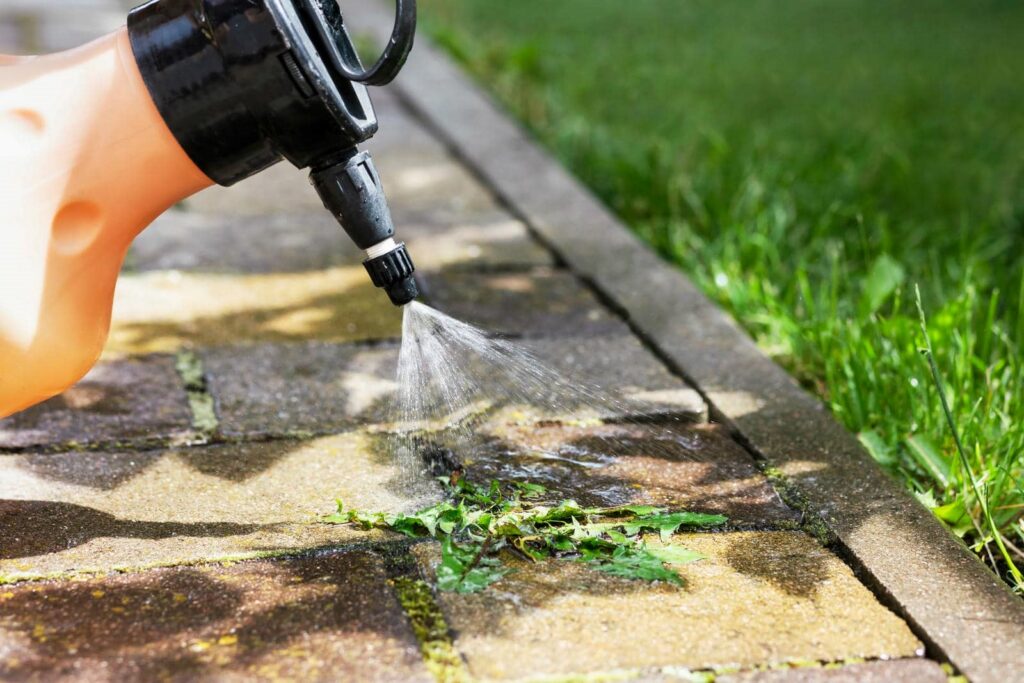
- Utilize targeted application methods, like spray bottles, for precise coverage in weed-prone areas.
- Ensure even distribution to prevent missed spots and ineffective treatment of weeds.
- Monitor weather conditions to avoid rain shortly after application, which can dilute or wash away the product.
Why You Should Care About Effective Weed Repellant?
While you might think of weeds as just a minor nuisance, understanding effective weed repellant techniques is crucial for maintaining a healthy garden or landscape.
Weeds disrupt weed ecology by competing with your desirable plants for nutrients, water, and light. This competition can weaken your garden’s overall health, leading to reduced yields and vitality.
By employing proper weed repellant methods, you can minimize this competition, allowing your plants to thrive. Additionally, effective techniques contribute to long-term soil health, enhancing biodiversity and resilience.
As you cultivate your garden, you foster a beautiful space and promote a thriving ecosystem. Caring for your plants means caring about the strategies that protect them from the relentless pressures of unwanted weeds.
Top Tips for Applying Organic Weed Repellant
When you want to effectively apply organic weed repellant, understanding the best practices can make a significant difference in your garden’s health.
Start by selecting products with natural ingredients, as these are less harmful to beneficial organisms.
Consider the timing of your application; early morning or late afternoon is ideal when temperatures are cooler.
Use targeted application methods, like spray bottles or drop spreaders, to minimize waste and avoid harming nearby plants.
Ensure good coverage by applying evenly, focusing on areas where weeds are most likely to thrive.
Finally, monitor the weather; avoid applying before rain to prevent runoff.
Understanding Soil Health to Choose the Right Weed Repellant
Understanding soil health is essential for selecting the right weed repellant, as the quality of your soil directly influences both weed growth and the effectiveness of your chosen products.
Assess your soil composition to identify its texture, pH, and organic matter content. These factors affect nutrient balance, which in turn supports healthy plants and limits weed proliferation.
If your soil lacks essential nutrients, consider amending it before applying any weed repellant. A well-balanced soil fosters strong plants that can outcompete weeds, enhancing the efficiency of your selected repellant.
By focusing on soil health, you’re not just battling weeds; you’re nurturing a thriving ecosystem that benefits your garden as a whole.
Make informed decisions, and your efforts will yield better results.
When to Apply Weed Repellant for Best Results?
Soil health plays a significant role in determining the ideal timing for applying weed repellants. Understanding timing considerations and making seasonal adjustments can enhance your weed management strategy.
Here are key factors to keep in mind:
Early Spring: Apply repellants before weeds germinate to prevent their establishment.
Mid-Summer: Reapply during peak growing seasons when weeds are most active.
Before Rain: Timing your application before rain can improve absorption and efficacy.
How to Fix Common Weed Repellant Problems
Even the best weed repellants can face common challenges, so identifying and addressing these issues is vital for effective management.
First, employ weed identification strategies to ensure you’re targeting the right species. Misidentifying weeds can lead to ineffective treatments.
Next, be mindful of common application mistakes, such as improper dilution or uneven distribution. These errors can compromise the repellant’s effectiveness, allowing weeds to thrive.
Consider environmental factors like wind or rain, which can wash away or disperse the product.
If you notice persistent weed problems, reassess your application timing and frequency.
Frequently Asked Questions
Can I Use Weed Repellants in Vegetable Gardens?
Yes, you can use weed repellants in vegetable gardens, but prioritize herbicide safety. Consider organic options to protect your crops and the environment. Always follow application instructions to ensure the health of your garden.
Are There Any Natural Weed Repellants I Can Make at Home?
Yes, you can create natural weed repellants at home using herbal mixtures like rosemary or thyme, and vinegar solutions. These methods effectively deter weeds without harming your garden, promoting a healthier growing environment for your plants.
How Do Weather Conditions Affect Weed Repellant Effectiveness?
When it comes to weed repellants, weather’s the name of the game. High temperatures can enhance effectiveness, while humidity can either help or hinder absorption, affecting how well your repellant works in the field.
What Are the Signs of Over-Application of Weed Repellants?
You’ll notice over-application symptoms like stunted plant growth, leaf discoloration, or curling. These indicate potential weed repellant damage, signaling that adjustments in your application method or dosage might be necessary for healthier plants.
Will Weed Repellants Harm Beneficial Insects or Pollinators?
Yes, weed repellants can harm beneficial insects and pollinators. Have you considered how to protect their habitats? Implementing effective pollinator protection strategies ensures a healthier ecosystem while managing weeds responsibly in your garden.
Final Thoughts
Mastering effective weed-repellent application techniques enhances your garden’s health and supports beneficial organisms. By choosing natural products and applying them at ideal times, you can greatly improve your garden’s resilience. Stay vigilant, monitor your weed growth, and adjust your approach for the best results in maintaining a thriving landscape.
Recent Posts
5 Spring Weed Prevention Tips for Healthy Lawns
Spring weeds can take over fast, but you can stay ahead of them with a
Why Prevent Spring Weeds in Your Lawn?
You might not realize that spring weeds do more damage than just looking messy. They
5 Fall Turf Restoration & Fertilization Tips
Before you apply any fall fertilizer, you need to know what your turf is missing.