
Contents
If you want a lush lawn, natural weed repellents are essential. You can effectively use options like vinegar and boiling water to target pesky weeds without harming nearby plants. These eco-friendly methods promote healthy grass growth and reduce reliance on synthetic chemicals. Curious about how to implement these solutions and maintain a vibrant lawn? Let’s explore the best techniques and practices for effective weed management.
Key Takeaways
- Vinegar: A 10-20% acetic acid solution serves as an effective natural herbicide for annual weeds in lawns.
- Boiling Water: Pouring boiling water directly onto weeds wilts them instantly, making it a targeted and eco-friendly option.
- Corn Gluten Meal: This organic alternative acts as a pre-emergent herbicide, preventing weed seeds from germinating.
- Salt Solutions: A diluted salt mixture can deter weed growth, but use sparingly to avoid harming surrounding plants.
- Mulching: Applying a layer of mulch around garden beds suppresses weeds while retaining moisture and enriching soil health.
Why Natural Weed Control Matters
When you choose natural weed control, you’re not just protecting your garden; you’re also safeguarding the environment. By opting for organic alternatives, you greatly reduce the harmful environmental impact of synthetic chemicals.
These natural methods promote a healthier ecosystem, allowing beneficial insects and microorganisms to thrive. You’ll find that using vinegar, salt, or corn gluten meal can effectively keep weeds at bay without endangering nearby plants or wildlife.
Plus, you’ll create a sense of community with fellow gardeners who share your commitment to sustainability. Embracing natural weed control isn’t just a choice; it’s a lifestyle that fosters a connection to nature and encourages others to join in.
Your garden can flourish while you contribute to a greener planet.
Common Types of Weeds and Their Impact on Lawns
Understanding common types of weeds is essential for maintaining a healthy lawn.
Weeds like dandelions and crabgrass can compete for nutrients and water, negatively affecting your grass’s growth.
Identifying these intruders helps you take effective action to protect your lawn’s health.
Types of Common Weeds
While many homeowners cherish a lush, green lawn, common weeds can quickly turn that dream into a struggle. One of the most notorious is the dandelion, known for its bright yellow flowers and deep taproots, making dandelion control vital for maintaining your lawn’s health.
Another common foe is clover, which can spread rapidly and compete for nutrients, necessitating effective clover management. Other prevalent weeds include crabgrass, chickweed, and purslane, each presenting unique challenges.
Recognizing these weeds early is essential for developing a targeted approach. By understanding what you’re up against, you can better strategize your natural weed repellents, ensuring your lawn remains vibrant and inviting for family and friends.
Weeds’ Effects on Lawns
Common weeds can greatly impact your lawn’s health and appearance. These intruders compete for essential nutrients, water, and sunlight, hindering your grass’s growth. Dandelions, crabgrass, and clover are just a few common types that disrupt lawn aesthetics. Their rapid weed growth can create patches that look unsightly and weaken your lawn’s overall vigor.
Moreover, some weeds can harbor pests and diseases, further threatening your grass. By addressing weed issues promptly, you can maintain a lush, vibrant lawn that reflects your care and commitment.
Implementing natural repellents and regular maintenance will help you reclaim your space, ensuring your lawn remains a source of pride and enjoyment for you and your neighbors.
Top Natural Weed Repellents You Can Use
When it comes to natural weed repellents, vinegar and boiling water are effective options you can use.
Vinegar acts as a powerful herbicide, targeting unwanted plants without harmful chemicals.
Similarly, pouring boiling water on weeds can quickly kill them, making your lawn care both simple and eco-friendly.
Vinegar As A Herbicide
If you’re looking for an effective, natural way to tackle stubborn weeds, vinegar might just be your best ally. Its acetic acid content makes it a powerful herbicide, especially for those pesky annual weeds.
For vinegar applications, using a solution with at least 10-20% acetic acid can yield the best results. Simply spray it directly on the leaves on a sunny day, and watch the weeds wilt away.
In an effectiveness comparison against chemical herbicides, vinegar is safer for your lawn and the environment. However, keep in mind it may not be as effective on deeper-rooted perennials.
Boiling Water Benefits
While many natural weed repellents exist, boiling water stands out as an incredibly simple yet effective method. The boiling benefits are numerous; it’s quick, inexpensive, and requires no harmful chemicals.
When you pour boiling water directly onto weeds, the intense heat destroys their cell structure, leading to immediate wilting. You’ll appreciate the water effectiveness, as it’s particularly effective on annual weeds and those growing in cracks or crevices.
Plus, it’s a great way to target specific areas without affecting nearby plants. Just be cautious to avoid splashing on your desired greenery.
Preparing and Applying Natural Weed Repellents
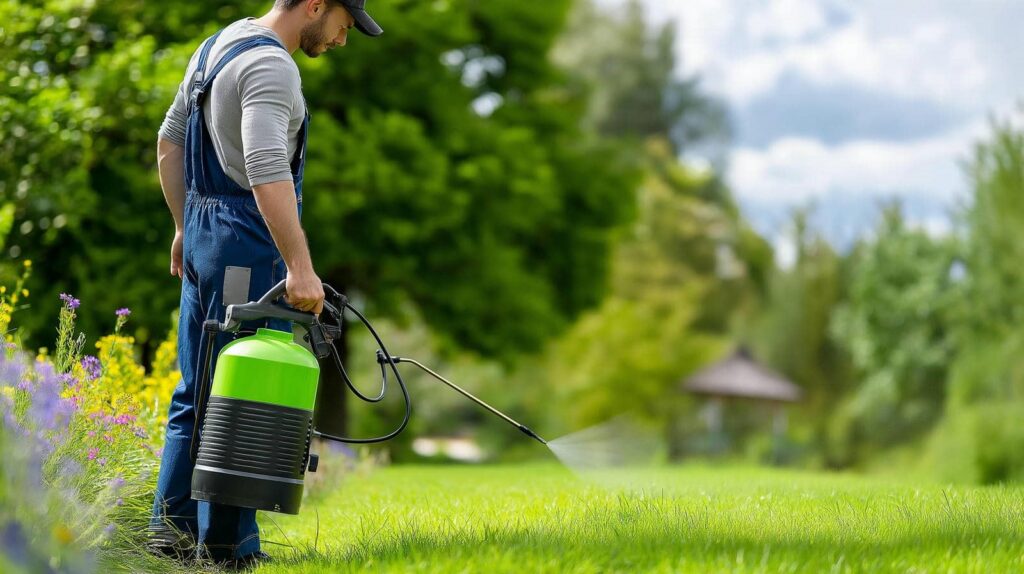
Mix your chosen ingredients in a spray bottle or a watering can, following recommended ratios for potency. When applying, choose a calm day to prevent wind drift, and target the weeds directly—this ensures the solution works efficiently without harming nearby plants.
Use application techniques like spot treatments for stubborn weeds or larger sprays for widespread areas. Regularly check and reapply as needed to keep your garden thriving and weed-free.
You’ll enjoy a vibrant space while fostering a community of eco-friendly practices.
Maintaining a Healthy Lawn to Prevent Weeds
To prevent weeds from taking over your lawn, maintaining its health is essential.
Focus on regular lawn care practices, like mowing at the right height and watering deeply but infrequently. This encourages strong grass roots, making it harder for weeds to compete.
Pay attention to soil health by testing pH levels and amending your soil with organic matter as needed. Aeration can also help improve nutrient absorption, fostering a thriving lawn.
Additionally, overseeding can fill in bare spots, reducing opportunities for weeds to take root.
By prioritizing these practices, you create a lush, resilient lawn that looks great while minimizing the risk of unwanted weeds invading.
Your lawn will thank you!
Natural vs. Chemical Weed Control
When choosing between natural and chemical weed control methods, it’s important to evaluate both effectiveness and environmental impact.
Chemical effectiveness often provides quick results, targeting weeds with precision. However, these products can harm beneficial insects and soil health over time.
On the other hand, natural methods offer organic benefits, promoting a healthier ecosystem. While they may require more time and effort, they reduce risks to your lawn and surrounding wildlife.
You’ll find that using organic solutions, like vinegar or essential oils, fosters a sustainable landscape.
Ultimately, the choice hinges on balancing immediate results with long-term health for your lawn and environment, creating a space you can truly enjoy.
Best Practices for Long-Term Weed Management
Maintaining a weed-free landscape requires a proactive approach that goes beyond immediate fixes. Start by prioritizing soil health; healthy soil promotes strong grass growth, which naturally outcompetes weeds.
Regularly test your soil to determine its pH and nutrient levels, and amend it as needed. Consistent lawn maintenance is key—mow at the right height and water deeply but infrequently to encourage deep root systems.
Mulching around garden beds can also suppress weed growth effectively. Additionally, consider integrating cover crops or native plants to enhance biodiversity and soil stability.
Frequently Asked Questions
Are Natural Weed Repellents Safe for Pets and Children?
Yes, natural weed repellents are generally safe for pets and children, but it’s essential to check specific ingredients. Always follow application instructions to ensure both pet safety and child safety in your outdoor spaces.
How Long Does It Take for Natural Repellents to Work?
Natural repellents usually show results within a week, but application frequency can affect this. For effectiveness comparison, you’ll notice quicker results with regular use, helping you achieve that weed-free lawn you desire.
Can I Mix Different Natural Repellents Together?
Yes, you can mix different natural repellents together. Think of herbal combinations as a symphony; each note enhances the overall melody. Just ascertain you compare their effectiveness to create the perfect blend for your lawn.
Do Natural Weed Repellents Affect Other Plants?
Yes, natural weed repellents can affect other plants. You should always check for plant safety before application. Some repellents may inhibit weed growth but could harm nearby flora, so use them carefully and selectively.
What Is the Best Time of Year to Apply Natural Weed Repellents?
Spring’s the ideal time for applying natural weed repellents, as seasonal timing ensures effectiveness. You’ll prevent weeds before they sprout, keeping your lawn lush and thriving. Don’t miss this chance to cultivate beauty together!
Recap
By choosing natural weed repellents, you’re nurturing your lawn like a gardener tending to a delicate flower. Embracing methods like vinegar and boiling water keeps your grass vibrant and protects the environment. With consistent application and proper maintenance, you’ll create a lush landscape that thrives without synthetic chemicals. Remember, a healthy lawn is your best defense against weeds, ensuring your outdoor space remains a serene oasis for years to come.
Recent Posts
10 Best Spring Weed Prevention Tips for Lawns
Soil temperature is the hidden trigger that can influence when weeds emerge and compete with
5 Spring Weed Prevention Tips for Healthy Lawns
Spring weeds can take over fast, but you can stay ahead of them with a
Why Prevent Spring Weeds in Your Lawn?
You might not realize that spring weeds do more damage than just looking messy. They