
Contents
Healthy turf isn’t just about fixing damage after it shows up; it’s about preventing stress before pests and thin spots take hold. Restore Turf by using routine monitoring, seasonal aeration, balanced fertilization, deep watering, and early weed control. When weakened areas appear, use core aeration, overseeding, and limited traffic to encourage recovery. The right approach depends on what’s causing the decline, so identifying the underlying problem first can make your restoration efforts far more effective.
Key Takeaways
- Inspect turf regularly for early pest damage like discoloration, thinning, chewed blades, and irregular patches.
- Water deeply but infrequently, and mow high to strengthen roots and improve drought and pest resistance.
- Fertilize according to soil tests and active growth periods to build dense, healthy turf without overstimulating weak growth.
- Control weeds and pests early using scouting, beneficial nematodes, neem sprays, and prompt removal of infested areas.
- Restore damaged turf by raking out dead material, aerating compacted soil, overseeding, and applying starter fertilizer.
What Turf Pests Cause the Most Damage?
The turf pests that cause the most damage are usually grubs, chinch bugs, sod webworms, and billbugs, because they feed on roots, crowns, and leaf tissue and can weaken grass quickly.
You should focus on these pests first, since their feeding patterns differ but the result is the same: thin, stressed turf.
Grubs attack belowground, while chinch bugs and webworms damage foliage in warm, dry conditions. Billbugs often start in stems and crowns, making recovery harder.
When you understand pest life cycles, you can time controls more effectively and protect your lawn community from repeat outbreaks.
Use turf insecticides only when monitoring shows a real threat, and choose products matched to the pest and stage. Targeted action saves grass and effort.
Spot the Early Signs of Turf Pests
You can spot turf pests early by watching for discolored grass patches that don’t match the surrounding lawn.
Check for thinning turf areas, since pests often feed below the surface before damage spreads.
You should also look for visible pest activity on blades, thatch, or soil, because it confirms the problem and helps you act fast.
Discolored Grass Patches
Discolored grass patches often show up before turf pests cause widespread damage, so inspect any sudden yellowing, browning, thinning, or irregular spots as soon as they appear.
You should confirm whether the soil feels unevenly moist, the thatch is tight, or the turf recovers slowly after foot traffic.
Check blades close up for chewed edges, speckling, or a dull cast that points to pest feeding.
Keep soil health strong with steady aeration, balanced watering, and smart lawn nutrition, because stressed turf signals faster.
If a patch expands quickly, mark its boundary and monitor it daily so you can act with your crew before damage spreads.
When you catch color changes early, you protect the stand and stay ahead together.
Thinning Turf Areas
Thin turf areas often reveal pest activity before large-scale damage sets in, so inspect any sudden loss of density, open gaps, or weak, uneven growth as soon as you notice them.
You should trace thinning causes by checking soil moisture, traffic, mowing height, and root condition, because pests often exploit stressed turf.
Use a knife or probe to lift small sections and look for shallow rooting, loose sod, or easy pull-up.
If thinning follows a pattern, mark the area and monitor nearby zones for spread.
Keep irrigation even, sharpen blades, and avoid excess nitrogen until you confirm the problem.
Quick action supports turf recovery and helps your lawn stay part of a dense, resilient stand that can handle pressure with less disruption.
Visible Pest Activity
As turf weakens, pest activity often becomes visible before larger damage appears, so check suspect areas for clues rather than waiting for symptoms to spread.
You can spot grubs, chinch bugs, or billbugs by looking for birds pecking, shallow tunnels, chewed blades, and irregular patches that won’t recover with watering.
Use pest identification methods like soil peeling, white-sheet flushing, and night inspections to confirm what’s feeding below.
Compare damaged spots with nearby healthy turf health indicators, including color, density, and root firmness.
If pests are active, act fast with targeted controls, proper irrigation, and mowing adjustments.
When you catch the pattern early, you protect the stand, reduce repair costs, and stay part of a lawn care routine that works together.
Use Seasonal Care to Prevent Turf Pests
In spring and fall, inspect your turf closely for pest activity, thinning, or discoloration before damage spreads.
Adjust mowing, watering, and fertilization to match the season, since stressed turf attracts more pests.
Spring and Fall Monitoring
Spring and fall are the best times to monitor turf for pest pressure, because changing temperatures often reveal early damage before it spreads.
During spring assessments, walk your lawn in a grid and check for thinning, discoloration, and irregular growth. Look closely at leaf blades, crowns, and soil surfaces for chewing, spotting, or insect activity.
In fall evaluations, repeat the same inspection so you can catch late-season stress before winter sets in. Use a knife or probe to lift small sections and confirm whether roots are intact.
Keep notes on affected zones, pest signs, and turf species. When you monitor consistently, you stay connected to your site, act early, and protect the healthy turf your crew or neighborhood depends on.
Adjust Care by Season
Because turf pests respond to weather, soil moisture, and plant growth rates, you should adjust mowing, irrigation, fertilization, and traffic management by season.
In spring, mow at the recommended height, water deeply only when needed, and avoid heavy nitrogen that can invite insects and disease.
During summer, raise the canopy slightly, irrigate early, and limit foot traffic to reduce stress.
In fall, support recovery with balanced nutrition and continued scouting as cool weather favors larvae and fungi.
In winter, keep equipment off saturated turf and prevent compaction.
These seasonal shifts make your turf maintenance more resilient and help your crew stay ahead of outbreaks.
When you tune care to plant demand, you protect the stand, strengthen roots, and keep the whole area healthier.
Fertilize Turf to Resist Pest Damage
Proper fertilization helps turf grow denser roots and shoots, which makes it less vulnerable to insect feeding and disease pressure.
You should match fertilizer types to your turf’s needs: quick-release products feed fast, while slow-release blends maintain steadier growth and reduce surge stress.
Plan nutrient timing around active growth so the grass can use nitrogen efficiently and recover quickly from minor injury.
Don’t overapply, because excess fertility can invite weak, succulent tissue that pests exploit.
Use soil test results to guide rates, and keep phosphorus and potassium balanced when deficiencies appear.
When you feed correctly, you build a stronger stand that fits your crew’s standards and keeps your lawn in the healthy group.
Water Turf to Reduce Pest Stress
When you water turf correctly, you help it stay vigorous and better able to tolerate insect feeding, disease pressure, and heat stress. You should aim for deep, infrequent irrigation that wets the root zone, then lets the surface dry slightly before the next cycle.
Match water frequency to soil type, sun exposure, and season, because overwatering can weaken roots and encourage shallow growth. Check turf moisture by probing the soil or using a moisture meter; don’t rely only on appearance.
Water early in the day so blades dry quickly and your lawn joins the healthiest stands in the neighborhood. If you see footprints lingering or leaf blades folding, increase irrigation modestly.
Consistent, measured watering builds resilience and helps turf recover faster after pest injury.
Control Weeds That Harbor Turf Pests
Remove weeds early, before they mature and create cover for turf pests.
You’ll reduce shelter sites and limit pest movement when you keep weed pressure low.
Scout regularly and treat problem weeds promptly to protect turf health.
Weed Removal Timing
Weed removal should happen before pests get a foothold, because many weeds act as shelter, alternate hosts, and egg-laying sites for turf insects and other harmful organisms.
You’ll get better turf recovery when you time control to weed growth, not pest damage. Use a pre emergent application ahead of germination windows to stop new weeds, then follow with post emergent strategies on actively growing escapes.
Scout often after mowing and irrigation, so you can remove young weeds while roots stay shallow. Quick action limits competition for water, nutrients, and light, helping your grass knit together faster.
In our turf community, that means a cleaner stand and fewer places for pests to build up. Keep your schedule tight, and your lawn stays stronger through the season.
Weed Shelter Risks
Even small weed patches can shelter turf pests by providing cover, alternate food sources, and protected sites for egg-laying or overwintering.
You should treat weeds as pest reservoirs, not just a cosmetic issue, because their shelter benefits let insects and disease vectors persist near healthy grass. Reduce weed competition early so turf can thicken and block pest movement.
- Mow at the proper height.
- Spot-treat or pull weeds fast.
- Inspect edges, thin spots, and beds.
- Reseed bare areas after removal.
When you keep weeds low and sparse, you cut hiding places, improve airflow, and make monitoring easier.
That helps you protect the lawn community you’re building and keeps restoration work moving in the right direction.
Treat Turf Pests Before Damage Spreads
When you spot early turf pest activity, act fast to keep the problem from spreading into larger areas. Use pest identification techniques to confirm the culprit, since grub, chinch bug, and armyworm pressures call for different responses.
Check leaf blades, thatch, and soil edges, then monitor at dawn or dusk when insects move. If the infestation is light, start with organic pest solutions such as beneficial nematodes, neem-based sprays, or insecticidal soap, applied exactly to label rates.
Keep traffic off the area during treatment so you don’t stress the grass further. If you’re part of a neighborhood lawn group, share observations and timing so everyone can respond together.
Recheck treated zones within a week and repeat only if pest counts stay high.
How to Repair Turf After Pest Damage
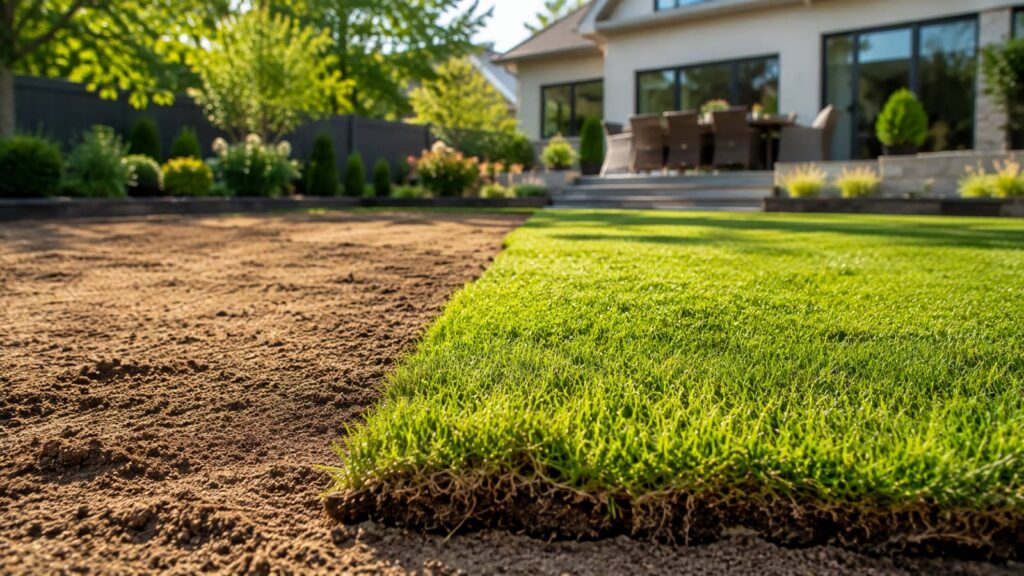
Once you’ve stopped the pest pressure, focus on rebuilding the damaged turf before weeds and erosion move in. Start with pest identification and damage assessment so you can match repair intensity to the injury pattern.
Rake out loose thatch, remove dead material, and smooth any matted spots so new growth can contact soil. If compaction followed feeding injury, core aerate lightly to improve air and water movement.
Then apply a balanced starter fertilizer at label rates to support recovery without forcing weak growth. Keep traffic off the area until the canopy closes and soil stabilizes.
- Check for active pests again
- Level ruts and exposed roots
- Water evenly, not heavily
- Monitor color, density, and recovery
How to Reseed Thin Turf Patches
For thin turf patches, choose a seed blend that matches the existing grass species and your site conditions. Then loosen the topsoil and remove debris so seed can make firm contact.
You should rake lightly, spread seed evenly, and cover it with a thin layer of compost or clean topsoil. Keep foot traffic off the area while roots establish.
Water the patch with short, frequent cycles to keep the surface consistently damp, not soggy. These reseeding techniques improve turf health by helping seedlings germinate uniformly and blend with surrounding grass.
If you overseed small areas in the same way, you’ll build a denser, more resilient lawn that feels like it belongs.
Monitor germination for gaps, and touch up bare spots quickly so competition from weeds stays low and recovery stays steady.
Protect Turf Year-Round in Grand Rapids
To protect turf year-round in Grand Rapids, adjust your care routine to match the city’s seasonal stress. You can keep your lawn resilient by following turf maintenance tips that fit each quarter.
In spring, test soil and feed lightly.
In summer, mow high and water deeply but less often.
In fall, dethatch, aerate, and overseed to rebuild density before frost.
For winter protection, clear heavy debris, limit traffic on frozen grass, and avoid late nitrogen that invites injury.
- Inspect drainage after rain and correct pooling fast
- Sharpen mower blades to reduce leaf tearing
- Use salt alternatives near turf edges
- Mark high-use paths for shared yard access
When you stay consistent, you help your turf stay healthy, local, and ready for every season.
Frequently Asked Questions
Which Turf Pest Is Hardest to Eliminate Completely?
Grubs are often hardest for you to eliminate completely because they hide in soil. Use pest lifecycle analysis to time treatments, and rotate chemical resistance strategies so you can reduce survivors and protect your turf community.
Can Beneficial Insects Help Reduce Turf Pest Outbreaks?
Yes—beneficial insects can help you reduce turf pest outbreaks by naturally suppressing larvae and adults. You’ll improve pest management by conserving predators, avoiding broad-spectrum sprays, and supporting habitat that keeps your lawn resilient together.
How Often Should Turf Pest Inspections Be Scheduled?
Inspect turf weekly during peak season, then biweekly otherwise. You’ll catch problems early with pest identification techniques and inspection frequency guidelines, protecting your stand before damage spreads and keeping your crew confident together.
Do Soil Tests Help Identify Pest-Prone Turf Areas?
Yes, soil tests help you spot pest-prone turf areas by revealing nutrient imbalances, pH issues, and compaction. You’ll improve soil health, boost pest resistance, and target treatments where your turf needs them most.
Can Pets Affect Turf Recovery After Pest Damage?
Yes—your pets can slow turf recovery after pest damage if their pet behavior keeps compacting soil, scratching roots, or urinating repeatedly. You’ll need careful turf maintenance, limiting traffic, watering evenly, and reseeding promptly.
Wrap-Up
So, is the best way to prevent and restore turf simply to wait until damage appears? Not really. You protect turf by staying ahead of pests with regular checks, seasonal care, proper fertilization, and deep, infrequent watering. If damage shows up, act fast with aeration, overseeding, and limited traffic. That combination strengthens roots, speeds recovery, and keeps your lawn dense. In Grand Rapids, year-round maintenance isn’t optional—it’s the most reliable defense.
Recent Posts
How to Prevent and Restore Healthy Turf
You can Restore Healthy Turf by watching for early pest damage, thinning, and uneven growth
10 Essential Turf Pest Prevention & Restoration Tips
If you want a turf system that resists pests and recovers quickly, Turf Pest Prevention
Seasonal Lawn Pest Control: How-to for West Michigan
If you’re caring for a West Michigan lawn, timing matters as much as treatment. You’ll