
Contents
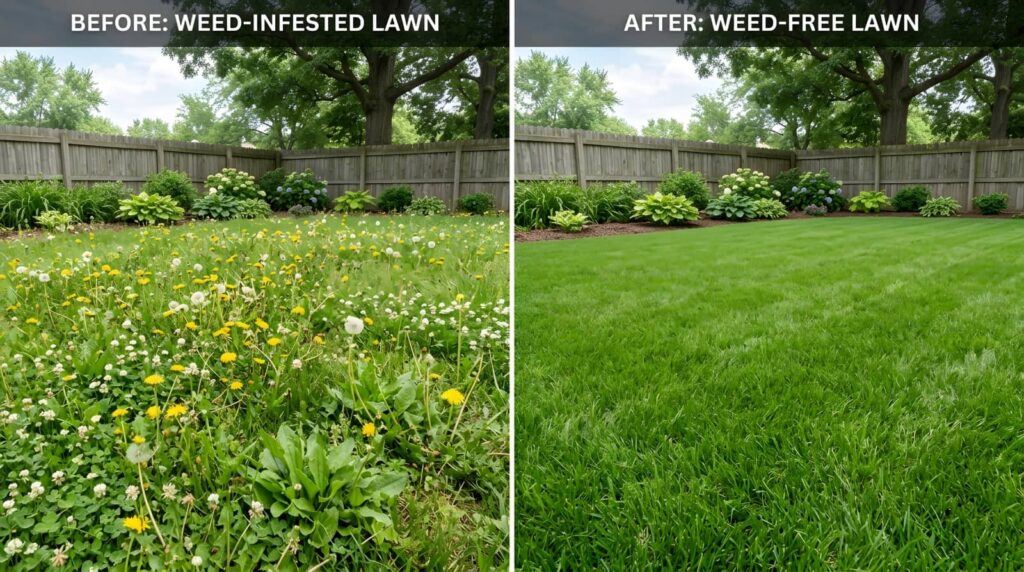
You might not realize that spring weeds do more damage than just looking messy. They steal water, nutrients, and sunlight before your grass can fully recover from winter, which leaves thin spots that spread fast. If you stop them early, you give your lawn a better chance to grow dense and stay healthy through summer. The key is knowing which weeds show up first and how to block them before they take hold.
Key Takeaways
- Spring weeds compete with grass for water, nutrients, and sunlight, weakening lawn growth.
- They create bare spots and thin turf, making it easier for more weeds to invade.
- Early control stops weeds before they spread by seed, wind, pets, or lawn equipment.
- Preventing weeds helps lawns stay dense, even, and healthier through summer stress.
- Consistent prevention reduces hand-pulling, damage, and the need for stronger treatments later.
Why Spring Weeds Hurt Your Lawn
Spring weeds hurt your lawn because they compete with your grass for water, nutrients, and sunlight right when your turf needs them most.
That weed competition can slow growth, thin your stand, and leave bare spots where more weeds can move in. You’ll also notice your lawn looks less even and recovers more slowly after mowing or dry spells.
When weeds take hold early, they can weaken root development and reduce overall lawn health before summer stress arrives.
The best defense is to keep your grass dense and resilient, so it can crowd out invaders and stay strong.
If you act early, you’ll protect your yard’s appearance and help your lawn grow with your neighborhood, not against it.
Common Spring Weeds to Watch For
Once weeds start gaining ground, knowing which ones show up most often can help you act fast. You’ll usually spot a few repeat offenders that make your lawn feel less like yours and more like theirs.
Watch for:
Dandelions: bright yellow flowers and fluffy seed heads signal you need dandelion control.
Crabgrass: low, spreading blades with a coarse look make crabgrass identification easier.
Clover: small, three-leaf clusters can blend in until they spread.
Chickweed: tiny white flowers and dense mats can sneak through cool spots.
When you learn these faces, you’ll feel more confident checking your lawn and protecting the healthy turf you’re working hard to keep.
Spotting weeds early helps you stay in step with neighbors who want a cleaner, stronger yard together.
When to Prevent Spring Weeds
The best time to prevent spring weeds is before they sprout, when soil temperatures begin warming but your lawn hasn’t fully greened up yet. That window lets you use early treatments at the right seasonal timing, before young weeds gain a foothold.
Watch local soil cues, not just the calendar, because weather shifts can move the schedule by a week or two. If you apply too soon, the product may fade before weeds germinate; too late, and you’ll miss the chance to stay ahead.
For a healthy lawn, aim for consistent coverage in early spring and follow label directions closely. When you time prevention well, you join other homeowners who keep turf cleaner, thicker, and more resilient all season.
How Spring Weeds Spread
Spring weeds spread when seeds move through wind, water, pets, lawn mowers, and even your shoes.
Once they land, many weeds send down roots fast and start competing with your grass before you notice them.
If you know these spread routes, you can block them early and keep your lawn cleaner.
Seed Dispersal Routes
Weed seeds move into your lawn in several ways, and knowing those routes helps you stop new growth before it starts. Different seed types use different dispersal mechanisms, so you need to watch the places weeds love most:
Wind can carry tiny seeds over fences and across sidewalks.
Birds and pets drop seeds from nearby beds.
Mowers, shoes, and tires track seeds into your turf.
Soil, mulch, and compost can hide seeds that wake up later.
When you understand these paths, you can act like a careful neighbor and protect the lawn you share with your home.
Clean equipment, inspect new materials, and edge problem spots often. Small habits now save you stress later and help your yard stay part of a healthy, weed-smart community.
Rapid Root Expansion
When soil warms, many spring weeds don’t just grow upward—they push roots out fast, anchoring themselves before you’ve had time to pull them.
You’ll see them claim space below the surface, where they steal water and nutrients from your grass. That rapid root expansion creates root competition, so your lawn gets weaker while weeds get stronger.
If you wait, you’ll face nutrient depletion as those roots keep feeding on the same soil your turf depends on. Act early, and you’ll stay ahead of the crowd in your yard.
A thick, healthy lawn can crowd out new weeds, but only if you stop them before their roots spread. Pull seedlings after rain, and keep soil fed.
How to Stop Spring Weeds
To stop spring weeds before they take over, focus on early prevention and consistent lawn care. You’re not alone in this fight; a healthy yard gives you confidence and pride.
Use organic solutions and mulch application, to block light and discourage sprouting around beds and borders. Then act fast:
- Pull young weeds after rain, when roots slip free.
- Mow high so grass shades out invaders.
- Water deeply, not often, to support stronger turf.
- Feed your lawn with balanced nutrients so it fills gaps.
When you stay proactive, you protect the space you share with family and neighbors.
Small, steady steps make your lawn look cared for and welcoming.
How to Keep Them From Returning
To keep spring weeds from returning, you need to remove seed sources before they spread and settle into your lawn.
You can also thicken your turf with proper mowing, watering, and feeding so weeds have less room to take hold.
Stay ahead with preemptive care, because consistent maintenance makes it much harder for new weeds to come back.
Remove Seed Sources
Stop weeds before they ever get a chance to spread by removing their seed sources early. You can protect your lawn’s seed bank and limit germination conditions with a few steady habits.
Mow before weeds set seed, so you don’t feed next season’s problem.
Pull mature weeds by the roots and bag them; don’t shake them loose.
Clean shoes, mower decks, and tools after working in infested spots.
Remove spent flower heads and seed pods from beds and borders.
When you stay consistent, you’re joining the group of homeowners who keep spring cleanup simple and calm. Each small action cuts off new weed cycles and helps your yard stay easier to manage.
Strengthen Lawn Density
A dense lawn leaves weeds with less room, light, and moisture to get established, so the best long-term defense is to make your grass grow thicker and healthier. You can do that by matching turf type to your site, mowing at the right height, and encouraging strong root growth.
When you improve lawn health, your grass fills bare spots faster and shades out new weeds before they spread. Focus on soil quality too, because compacted or nutrient-poor soil weakens turf and opens space for invaders.
If your lawn already looks thin, overseed the weakest areas so grass can knit together. A fuller stand of grass helps you protect the yard you’ve built and keeps spring weeds from returning.
Maintain Preemptive Care
Once you’ve cleared spring weeds, keep pressure on them by staying consistent with routine lawn care. You’ll protect your yard and feel confident it belongs to you and your neighbors too.
Use proactive lawn maintenance to spot weak spots early and correct them fast. Apply lawn fertilization techniques that feed grass steadily, not all at once, so weeds lose their edge.
- Mow high and often to shade soil.
- Water deeply, not daily, to build roots.
- Reseed bare patches before weeds settle in.
- Walk your lawn weekly and pull new growth.
Stay ahead of trouble, and your grass will fill in, crowd out invaders, and stay ready for the season. A little attention now saves you from a bigger fight later.
Frequently Asked Questions
Can Spring Weeds Damage Grass Roots Permanently?
Yes, they can stress roots through root competition, but permanent damage is rare if you act early. Good weed identification helps you spot problems fast, protect your grass, and keep your lawn healthy together.
Are Some Lawn Grasses More Weed-Resistant Than Others?
Yes—some lawn types are sturdier castles, better at repelling invaders. You’ll see stronger weed competition from dense, fast-growing grasses like tall fescue or zoysia, while thin lawns leave doors open.
Do Spring Weeds Affect Pet Safety?
Yes, spring weeds can affect your pet’s safety. You should learn weed identification and protect pet health, since some weeds irritate skin, cause stomach upset, or harbor pests that threaten your pet’s comfort and wellbeing.
Can Weather Patterns Change Weed Prevention Timing?
Yes—weather patterns can shift your timing, because weed growth cycles respond to temperature and moisture, and climate impact changes when you should act. Watch forecasts closely; you’ll protect your lawn and fit in with savvy neighbors.
Should I Hire a Professional for Severe Weed Problems?
Yes, you should hire professional services for severe weed problems; they’ll use proven weed control techniques, save you time, and help you feel confident your lawn’s getting the expert care it needs.
Recap
If you prevent spring weeds early, you give your grass a real chance to grow thick and strong. Weeds steal water, nutrients, and sunlight, so acting now saves you trouble later. For example, if dandelions take over one corner of your lawn in April, they can spread fast and leave bare spots by June. Stay ahead with timely treatment and regular care, and you’ll keep your lawn healthier all season.
Recent Posts
5 Fall Turf Restoration & Fertilization Tips
Before you apply any fall fertilizer, you need to know what your turf is missing.
What Is the Best Fall Turf Restoration Plan?
Last fall, one small patch in a client’s lawn turned into a full repair job
Grand Rapids Seasonal Turf Care Schedule Guide
If you’re in Grand Rapids and notice your lawn turning green just as soil temperatures