
Contents
Have you ever wondered how a garden can thrive with minimal effort? Choosing low-maintenance gardens in Kentwood offers practical advantages that cater to the busy lifestyles many of us lead. By focusing on native plants and sustainable practices, you can create an environment that looks beautiful and supports local wildlife. However, the benefits extend far beyond aesthetics—there are several strategies to contemplate that can transform your gardening experience.
Key Takeaways
- Low-maintenance gardens save time and reduce stress, perfect for busy residents in Kentwood.
- Native plants thrive locally, creating a sustainable ecosystem with minimal intervention and attracting local wildlife.
- Drought-resistant plants minimize water usage, making gardens more efficient and cost-effective in Kentwood’s climate.
- Organic practices and composting promote healthier soil and reduce the need for synthetic chemicals, benefiting the environment.
- Efficient irrigation systems and mulch help retain moisture, ensuring vibrant gardens with less upkeep throughout the seasons.
Benefits of Low-Maintenance Gardens
When you opt for a low-maintenance garden, you save time and reduce the stress associated with traditional gardening.
By incorporating native plants into your garden design, you create a sustainable ecosystem that thrives with minimal intervention. These plants are adapted to your local climate, requiring less water and fewer resources, which means you can enjoy a vibrant garden without the constant upkeep.
A well-planned, low-maintenance garden provides visual appeal while fostering biodiversity. You’ll attract local wildlife, enhancing your connection to nature.
Additionally, choosing native species reduces the need for chemical fertilizers and pesticides, promoting a healthier environment.
With an emphasis on smart garden design, you can structure your space to include hardscape and mulched beds that further minimize maintenance.
Ultimately, a low-maintenance garden allows you to cultivate beauty and serenity in your outdoor space, making it a welcoming retreat for you and your community.
Ideal Plants for Kentwood Gardens
Incorporating the right plants is essential for creating a thriving low-maintenance garden in Kentwood. By choosing native plant selections and climate-adapted varieties, you can ensure your garden flourishes with minimal effort.
These plants are naturally suited to the local environment, requiring less water and care.
Consider incorporating the following plants into your garden:
- Echinacea (Coneflower): Attracts pollinators and thrives in various soils.
- Calamintha nepeta (Calamint): Drought-tolerant, with aromatic foliage and lovely blooms.
- Rudbeckia (Black-eyed Susan): Bright, cheerful flowers that are resilient and easy to grow.
- Asclepias tuberosa (Butterfly Weed): A magnet for butterflies, thriving in sunny spots.
- Sedum (Stonecrop): Low-growing succulent that requires very little water.
These selections will help you create a vibrant, sustainable garden that fits seamlessly into the Kentwood landscape.
Water Conservation Techniques
Implementing effective water conservation techniques is essential for maintaining a low-maintenance garden in Kentwood. One of the most efficient methods you can adopt is drip irrigation. This system delivers water directly to the plant roots, minimizing evaporation and runoff. By using a timer, you can automate the watering schedule, ensuring your garden receives the right amount of moisture without wasting a drop.
Incorporating rain gardens into your landscape is another excellent approach. These gardens are designed to collect and absorb rainwater, reducing the need for supplemental irrigation. By strategically placing native plants that thrive in wet conditions, you can create a beautiful, self-sustaining ecosystem that benefits local wildlife.
Together, drip irrigation and rain gardens conserve water while enhancing the overall aesthetics of your garden. Embracing these techniques fosters a sense of community and responsibility for the environment, making your garden a source of pride.
Sustainable Landscaping Practices
As you create a low-maintenance garden in Kentwood, adopting sustainable landscaping practices can greatly enhance its resilience and beauty.
By focusing on environmentally friendly methods, you’ll reduce your workload and contribute positively to the local ecosystem.
Here are some practices to contemplate:
Use native plants: They require less water and provide habitat for local wildlife.
Implement organic practices: Avoid synthetic fertilizers and pesticides to maintain soil health.
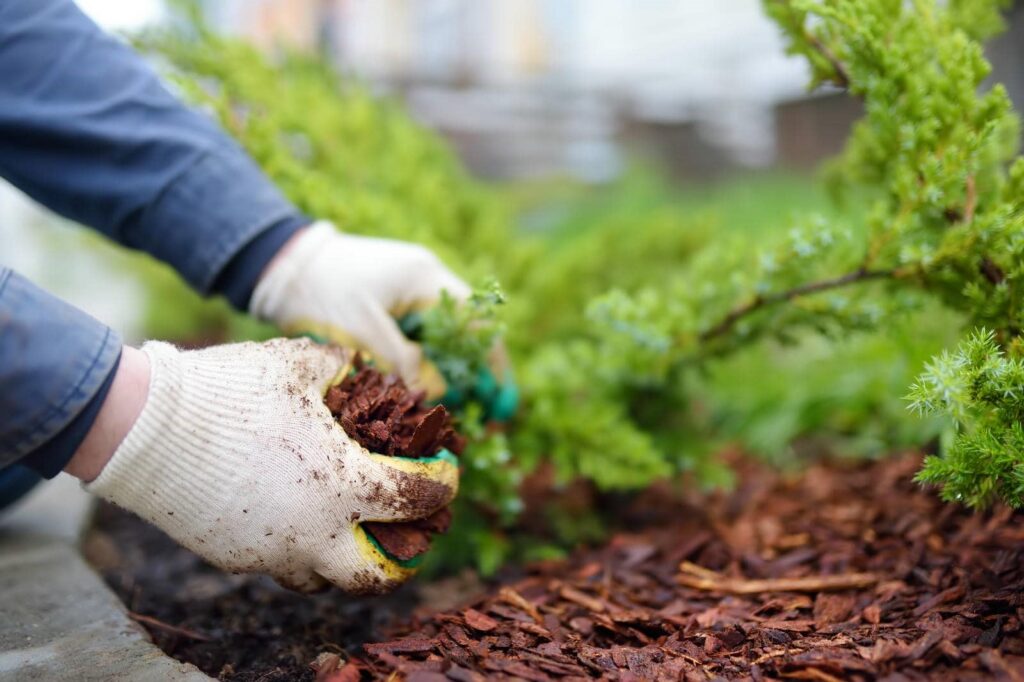
Mulch your garden: This conserves moisture and suppresses weeds.
Create compost: Recycle kitchen and garden waste to enrich your soil naturally.
Practice crop rotation: This helps prevent soil depletion and promotes biodiversity.
Incorporating Hardscapes
While designing a low-maintenance garden in Kentwood, integrating hardscape can greatly enhance both functionality and aesthetics. Hardscape materials, such as stone, brick, and concrete, provide durable surfaces that reduce the need for constant upkeep.
You can create walkways, patios, and retaining walls, which serve as essential design elements while adding visual interest. Consider using permeable pavers to promote drainage and prevent erosion, ensuring your garden remains healthy and vibrant.
Incorporating raised beds made from natural stone elevates plants and creates a striking focal point. By strategically placing hardscape elements, you can define spaces for relaxation or entertainment, making your garden a welcoming retreat.
Incorporating these elements allows you to enjoy a beautiful, low-maintenance landscape that fosters a sense of community and belonging, all while minimizing the time spent on upkeep.
Seasonal Color Without the Hassle
To achieve vibrant seasonal color in your garden without extensive upkeep, consider selecting year-round blooming plants that thrive in your local climate.
Easy-to-care-for perennials can provide consistent blooms with minimal effort on your part.
Additionally, strategic plant placement will enhance visual appeal while reducing maintenance needs, creating a stunning landscape year-round.
Year-Round Blooming Plants
Incorporating year-round blooming plants into your garden design enhances visual appeal while minimizing maintenance.
These plants provide consistent seasonal interest, ensuring your garden is vibrant throughout the year. You won’t have to worry about replanting every season, allowing you to enjoy your space more.
Hellebores: Early spring bloomers, perfect for a colorful start.
Daylilies: Long-blooming perennials that thrive in various conditions.
Sedum: Drought-tolerant succulents that add texture and color.
Asters: Late-season bloomers that attract pollinators.
Winter Jasmine: Bright yellow flowers to cheer up your winter garden.
With these selections, you’ll achieve stunning year-round color without the hassle of intensive upkeep.
Easy-to-Care Perennials
When you want vibrant seasonal color without the constant upkeep, easy-to-care-for perennials are an excellent choice for your garden.
These plants thrive with minimal intervention, allowing you to enjoy their beauty without the stress. Opt for drought-resistant varieties like Sedum and Echinacea, which flourish even in dry conditions, saving you time and water.
For shadier spots, consider shade-tolerant options such as Astilbe or Hostas, which offer lush foliage and striking blooms.
By selecting the right perennials, you create a visually appealing landscape that requires less maintenance.
Your garden can be a sanctuary of color and tranquility, fostering a sense of belonging within your community while embracing nature’s resilience.
Strategic Plant Placement
By strategically placing your plants, you can ensure seasonal color flourishes with minimal effort.
Thoughtful layout design enhances your garden’s aesthetics while ensuring plant compatibility. Here’s how to achieve that vibrant look:
Choose native plants that thrive in Kentwood’s climate.
Group plants with similar water and sunlight needs to simplify care.
Use perennials with staggered bloom times for continuous color throughout the seasons.
Incorporate evergreens to provide structure and color during the winter months.
Consider heights and textures to create visual interest and depth.
Pest and Disease Management Strategies
Effective pest and disease management is essential for maintaining the health and beauty of low-maintenance gardens in Kentwood. By employing integrated pest management (IPM) techniques, you can minimize the use of chemicals while effectively controlling pests.
Start by selecting disease-resistant varieties for your garden; they’re specifically bred to withstand common ailments, reducing your overall maintenance efforts.
Regularly monitor your plants for signs of pests and diseases, and maintain proper sanitation to prevent outbreaks. Encourage natural predators, like ladybugs and lacewings, to control pest populations organically. You can also employ barriers, such as row covers, to protect vulnerable plants from infestations.
When necessary, consider using organic pesticides, ensuring they’re targeted and environmentally friendly.
Cost-Effective Gardening Solutions
When you’re looking to create a low-maintenance garden, focusing on cost-effective solutions is crucial.
By selecting drought-resistant plants, you’ll considerably reduce watering needs, while choosing varieties that require minimal pruning can lower your overall maintenance costs.
This strategic approach saves time and money, and ensures your garden remains healthy and vibrant.
Reduced Watering Needs
Although gardening often requires significant water resources, implementing strategies to reduce watering needs can lead to substantial cost savings and environmental benefits.
By focusing on low-maintenance gardens, you can create a sustainable landscape that thrives with minimal effort.
Here are some effective methods to evaluate:
- Choose drought-resistant plants that require less water
- Install efficient irrigation systems to minimize waste
- Utilize mulch to retain soil moisture
- Group plants by water needs to optimize irrigation
- Collect rainwater to reduce reliance on municipal water sources
Minimal Pruning Requirements
To maintain a low-maintenance garden, selecting plants with minimal pruning requirements can save you time and effort while keeping your landscape looking tidy.
Choose native and drought-tolerant species, as they often require less intervention. Perennials like daylilies or ornamental grasses thrive with minimal pruning, allowing you to enjoy their beauty with little upkeep.
Incorporating shrubs that naturally maintain their shape, such as boxwood or juniper, simplifies your gardening routine.
Utilize time-saving techniques like planting in layers, which reduces the need for extensive pruning.
By focusing on these options, you’ll create an inviting space that fosters a sense of community and belonging, all while minimizing your workload.
Embrace the ease of low-maintenance gardening and enjoy more time in your garden oasis.
Lower Maintenance Costs
While you may initially invest in a low-maintenance garden, the long-term savings can be significant. By choosing budget-friendly options and implementing time-saving strategies, you’ll reduce expenses over the years.
Here are some cost-effective benefits:
- Lower water bills with drought-resistant plants
- Reduced need for fertilizers and pesticides
- Minimal labor costs due to less upkeep
- Long-lasting perennials that require fewer replacements
- Savings on garden equipment and tools
Investing in a low-maintenance garden enhances the beauty of your space and fosters a sense of community and belonging.
With the right choices, you can create a thriving garden that aligns with your lifestyle while being kind to your wallet.
Enhancing Property Value With Low-Maintenance Design
When you invest in low-maintenance garden design, you’re not just creating a beautiful outdoor space; you’re also greatly enhancing your property’s value.
Low-maintenance gardens improve property appeal by showcasing design aesthetics that attract potential buyers. These gardens often feature drought-resistant plants, native species, and efficient layouts that require minimal upkeep, making them increasingly desirable in today’s market.
By opting for a low-maintenance design, you create an inviting atmosphere that reflects a well-cared-for home. This can lead to higher appraisals and quicker sales.
Additionally, the reduced need for resources such as water and fertilizer supports sustainability and resonates with eco-conscious buyers.
Ultimately, a thoughtfully designed low-maintenance garden can elevate your property’s overall appeal, making it a standout in your neighborhood while fostering a sense of belonging in a community that values aesthetics and practicality.
Frequently Asked Questions
How Do Low-Maintenance Gardens Affect Local Wildlife in Kentwood?
Low-maintenance gardens enhance local wildlife by promoting biodiversity benefits through the use of native plants. You’ll attract pollinators and essential species, creating a thriving ecosystem that supports the area’s natural beauty and ecological balance.
Can I Install a Low Maintenance Garden Myself?
Absolutely, you can install a low-maintenance garden yourself! With proper DIY gardening techniques and installation tips, you’ll create a beautiful space that requires minimal upkeep, allowing you to enjoy your garden more and stress less.
What Is the Initial Cost of Starting a Low-Maintenance garden?
The initial investment for a low-maintenance garden varies based on design and materials. Budget considerations should include soil, plants, and landscaping features, ensuring you create a space that’s both beautiful and manageable.
Are There Any Local Resources for Low-Maintenance Gardening Tips?
You’ll find plenty of resources for low-maintenance gardening. Check out local gardening workshops for hands-on tips and join online gardening forums to connect with others and share insights, making your gardening journey more enjoyable and fulfilling.
How Often Should I Expect to Maintain a Low-Maintenance Garden?
You should expect to maintain your low-maintenance garden about once a month. Focus on smart plant selection and minimal seasonal care, like pruning or weeding, to keep your space thriving with less effort.
Review
Incorporating a low-maintenance garden in Kentwood saves you time and resources while enriching the local ecosystem. By choosing sustainable practices and efficient landscaping, you create a vibrant, thriving space that requires minimal upkeep. Embrace the beauty and benefits of low-maintenance gardening and enjoy a flourishing haven that enhances your property and the environment effortlessly.
Recent Posts
10 Best Organic Lawn Care Tips for Spring
Spring offers a prime opportunity to enhance your lawn organically. By focusing on soil health,
Spring Organic Lawn Care Tips for a Healthy Yard
If you’ve noticed patchy areas in your lawn after winter, it’s time to think about
Boost Your Lawn: Soil Enrichment Strategies
Your lawn can either thrive or struggle, depending on the health of its soil. Evaluating