
Contents
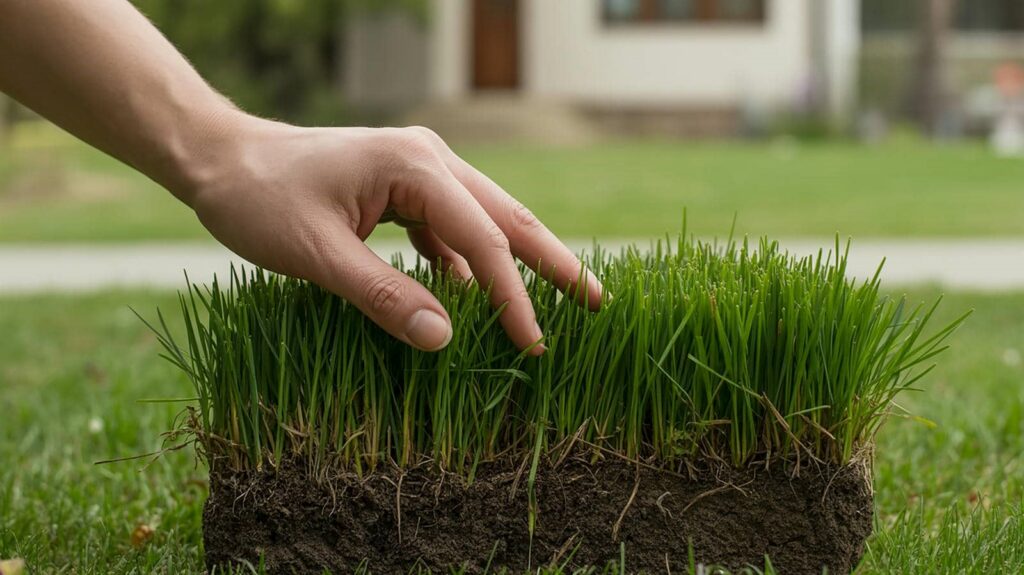
To achieve a lush lawn, understanding topsoil enrichment techniques is essential. You’ll want to assess your soil’s composition, as it directly impacts nutrient availability. Incorporating compost and mulch can greatly enhance soil structure, while aeration promotes healthy root growth. Additionally, natural fertilizers can boost microbial activity. But how do you effectively balance these elements to maximize your lawn’s potential? Exploring the answers to these questions will lead you to a thriving green space.
Key Takeaways
- Conduct regular soil testing to assess pH levels and nutrient availability for informed amendments.
- Use compost to enrich topsoil, improving structure and nutrient content for healthier plant growth.
- Apply mulch to regulate soil temperature, suppress weeds, and enhance moisture retention.
- Incorporate cover crops like clover or rye to boost soil health and prevent erosion between seasons.
- Practice aeration to relieve soil compaction, allowing better airflow and nutrient absorption for robust root development.
How to Assess Soil Composition for a Healthier Lawn
To create a healthier lawn, understanding your soil composition is essential. Start with soil testing to identify pH levels and nutrient availability. Collect samples from different areas of your yard, ensuring you gather a mix that represents the whole space.
Next, send these samples to a lab for nutrient analysis. This process will reveal key information about nitrogen, phosphorus, and potassium levels, which are crucial for grass health.
Based on the results, you can amend your soil effectively, adding fertilizers or organic matter as needed. Regular testing every few years helps you track changes and adjust your lawn care practices.
Why Topsoil Is Key for Nutrients
Understanding your soil composition sets the stage for recognizing the importance of topsoil in nutrient availability.
Topsoil plays a significant role in soil structure, ensuring ideal nutrient retention and supporting healthy organic matter. This layer enhances microbial activity, essential for breaking down nutrients and making them accessible to your lawn.
Effective moisture control in topsoil helps prevent erosion, safeguarding your nutrients from runoff. Additionally, a well-aerated topsoil layer promotes necessary soil aeration, allowing roots to breathe and thrive.
Maintaining a proper pH balance in your topsoil is equally important, as it affects nutrient uptake. By focusing on these aspects, you create a nurturing environment that fosters a lush, vibrant lawn.
Benefits of Compost and Mulch for Soil Enrichment
While many homeowners focus on fertilizers for lawn health, incorporating compost and mulch can greatly enhance soil enrichment. These natural materials improve your lawn’s appearance and promote long-term vigor.
Here are some key benefits:
Compost benefits: It enriches soil with essential nutrients, improves structure, and enhances moisture retention.
Mulch advantages: It regulates soil temperature, suppresses weeds, and reduces evaporation, ensuring your lawn stays hydrated.
Combined effect: Using both compost and mulch creates a thriving ecosystem, fostering beneficial microorganisms.
How Cover Crops Improve Soil Health
Incorporating cover crops into your lawn care routine can greatly enhance soil health, building on the benefits of compost and mulch. These crops, such as clover or rye, provide essential nutrients and improve soil structure.
One of the key cover crop benefits is their ability to boost the soil microbiome, promoting a diverse ecosystem of beneficial microorganisms. This diversity helps break down organic matter and enhances nutrient availability for your grass.
Additionally, cover crops prevent soil erosion and suppress weeds, reducing the need for chemical herbicides. By rotating cover crops seasonally, you can create a resilient lawn that thrives year-round.
Embracing this technique enriches your soil and fosters a sense of community among fellow eco-conscious gardeners.
Why Aeration Matters for Your Lawn?
Aeration is essential for your lawn’s health, as it enhances root growth by allowing air, water, and nutrients to penetrate deeper into the soil.
It also reduces soil compaction, which can suffocate roots and hinder their development.
Enhances Root Growth
Releasing the potential of your lawn starts with understanding the critical role of aeration in enhancing root growth.
Proper aeration employs effective root development strategies that allow roots to access nutrients and water more efficiently. This process encourages deeper root systems and improves soil moisture retention, creating a healthier lawn.
Consider these benefits of aeration:
- Increased Nutrient Uptake: Roots can absorb more essential nutrients.
- Enhanced Airflow: Oxygen reaches the roots, promoting vigorous growth.
- Improved Water Drainage: Reduces surface runoff, ensuring moisture reaches deeper layers.
Reduces Soil Compaction
Soil compaction can stifle your lawn’s health, limiting root expansion and hindering water and nutrient absorption. Understanding compaction causes, like heavy foot traffic or improper soil management, is essential.
Aeration improves soil structure by creating channels that enhance root penetration and promote air circulation. This process boosts moisture retention, allowing your grass to thrive.
Healthy soil supports plant health by fostering earthworm activity and encouraging microbial diversity, both fundamental for nutrient cycling. By regularly aerating your lawn, you’ll reduce compaction and create a thriving environment for your grass.
This not only enhances your lawn’s appearance but also connects you to a community that values sustainable practices. Take action now to ensure your lawn flourishes!
Using Natural Fertilizers for Lawn Growth
Natural fertilizers offer a sustainable way to boost lawn growth while enhancing soil health. By using organic amendments, you provide essential nutrients and promote nutrient cycling within your lawn’s ecosystem.
Here are some effective natural fertilizers to evaluate:
Compost: Rich in nutrients, it improves soil structure and water retention.
Bone Meal: A great source of phosphorus, it supports root development and flowering.
Fish Emulsion: Packed with nitrogen, it encourages leafy growth and overall vigor.
Incorporating these natural fertilizers into your lawn care routine fosters a healthier environment.
Plus, you’ll contribute to a sustainable approach that benefits both your lawn and the ecosystem.
Embrace these techniques, and watch your lawn thrive!
Testing Soil for Better Lawn Health?
Understanding the nutrient profile of your lawn is key to maximizing its health and vigor. Soil testing is your first step; it reveals essential nutrients and any deficiencies.
By conducting a nutrient analysis, you can identify what your lawn needs to thrive. This process typically involves collecting soil samples from various areas of your yard.
Once you send these samples to a lab, you’ll receive detailed information about nitrogen, phosphorus, potassium, and other crucial elements. Based on the results, you can tailor your fertilization strategy, ensuring your lawn receives the right nutrients in the right amounts.
Implementing this knowledge fosters a lush, vibrant lawn that you can be proud of and enjoy with your community.
Managing pH Levels for Nutrient Availability
To ensure your lawn thrives, managing pH levels is essential for nutrient availability. Proper pH testing helps you understand your soil’s acidity or alkalinity, influencing nutrient balance and microbial activity.
Here’s how you can effectively manage pH:
Apply organic amendments: Compost or manure can enhance soil buffering and improve nutrient cycling.
Use soil amendments: Lime can adjust acidity, while sulfur can reduce alkalinity, ensuring ideal pH levels.
Monitor regularly: Regular testing allows for timely pH adjustment, maintaining a healthy environment for your lawn.
Understanding acidity effects and alkalinity impact will empower you to create a vibrant lawn.
With the right approach, you’ll foster a thriving ecosystem that supports lush growth and resilience.
Seasonal Strategies for Ongoing Soil Enrichment
With pH levels managed, you can now focus on seasonal strategies that keep your soil enriched throughout the year.
Start with spring planting, incorporating organic amendments to boost nutrient cycling.
As summer arrives, prioritize consistent irrigation; this helps maintain moisture and supports microbial activity.
During fall maintenance, apply seasonal mulching to protect your soil and improve structure as it breaks down.
Don’t overlook winter preparation—cover your lawn with mulch to insulate and prevent erosion.
Always consider weather conditions when implementing these strategies; adjust your practices to align with seasonal changes.
Frequently Asked Questions
How Often Should I Enrich My Topsoil for Optimal Lawn Health?
You should enrich your topsoil annually after testing it for nutrient balance. Regular assessments ensure you’re meeting your lawn’s specific needs, helping maintain peak health and vibrancy throughout the growing seasons. Keep your lawn thriving!
Can I Use Kitchen Scraps for Composting My Lawn?
Absolutely, you can use kitchen scraps for composting your lawn. By recycling organic waste, you not only enrich your soil but also contribute to a healthier ecosystem, creating a vibrant space for your grass to thrive.
What Plants Are Best for Cover Cropping in My Region?
For your region, consider legumes like clover or vetch and grasses like rye. These cover crops enhance soil health, prevent erosion, and improve nutrient availability, making them ideal for maximizing cover crop benefits in your garden.
How Do I Know if My Lawn Needs Aeration?
You’ll know your lawn needs aeration if you see lawn compaction indicators like water pooling, poor drainage, or stressed grass. Consider aeration methods like core aeration to improve soil health and promote better growth.
Are Synthetic Fertilizers Harmful to My Lawn’s Soil Health?
Synthetic fertilizers can harm your lawn’s soil health, causing imbalances over time. Instead, consider organic alternatives that nourish the soil naturally, promoting a thriving ecosystem. It’s a smarter choice for lasting beauty and health.
Final Thoughts
In nurturing your lawn, think of topsoil as the foundation of a vibrant garden, much like a painter’s canvas awaiting a masterpiece. By integrating compost, mulch, and natural fertilizers, you’re not just enriching the soil; you’re cultivating a thriving ecosystem. Each technique you employ is a brushstroke contributing to a lush landscape. As you adapt your strategies seasonally, remember that a healthy lawn reflects your commitment to sustainable growth, transforming your outdoor space into a living work of art.
Recent Posts
5 Spring Weed Prevention Tips for Healthy Lawns
Spring weeds can take over fast, but you can stay ahead of them with a
Why Prevent Spring Weeds in Your Lawn?
You might not realize that spring weeds do more damage than just looking messy. They
5 Fall Turf Restoration & Fertilization Tips
Before you apply any fall fertilizer, you need to know what your turf is missing.