
Contents
Maintaining a healthy lawn involves more than just regular mowing; it requires understanding and managing weeds effectively. By recognizing common culprits like dandelions and crabgrass, you can take proactive steps. Choosing natural weed control methods benefits your lawn and promotes environmental health. With the right tools and techniques, you can create a thriving outdoor space. Discover how to implement these strategies and keep your lawn in top shape.
Key Takeaways
- Identify common lawn weeds, such as dandelions and crabgrass, to effectively tailor your control methods.
- Utilize organic herbicides and herbicidal soaps to target weeds without harming beneficial plants.
- Employ hand weeding techniques to ensure complete root removal and prevent regrowth.
- Apply organic mulch to suppress weeds while enriching the soil and retaining moisture.
- Maintain healthy soil and grass through proper mowing, watering, and fertilization to outcompete weeds.
What Types of Weeds Affect Your Lawn?
When you think about maintaining a healthy lawn, understanding the types of weeds that can invade your space is essential. Common lawn weeds like dandelions, clover, and crabgrass can quickly take over if left unchecked.
These invaders thrive during specific seasons, making seasonal weed growth a critical factor in your lawn care routine. For instance, dandelions often emerge in early spring, while crabgrass tends to sprout in warmer months.
Recognizing these patterns allows you to tackle weeds effectively before they spread. By knowing which weeds affect your lawn, you’ll feel more empowered to create a lush, thriving outdoor space.
Why Choose Natural Weed Control Methods?
Choosing natural weed control methods offers numerous advantages that go beyond just keeping your lawn tidy. By opting for these techniques, you’re enhancing your lawn’s appearance and contributing positively to the environment.
Here’s a benefits overview:
Healthier Lawn: Natural methods promote soil health, leading to a lush, vibrant yard.
Reduced Chemical Exposure: You minimize the risks associated with synthetic herbicides, ensuring a safer space for your family and pets.
Sustainable Practices: Natural weed control encourages biodiversity, positively impacting local ecosystems.
Embracing these methods aligns with a growing community of eco-conscious homeowners, fostering a sense of belonging while making a positive environmental impact.
You’ll feel good knowing you’re caring for your lawn and the world around you.
Best Tools for Natural Weed Control
To effectively manage weeds naturally, having the right tools at your disposal is essential. Start with quality weeding tools like hand hoes, trowels, and weed pullers. These allow you to dig out stubborn roots without damaging your lawn.
A garden fork is also handy for loosening soil around weeds, making removal easier.
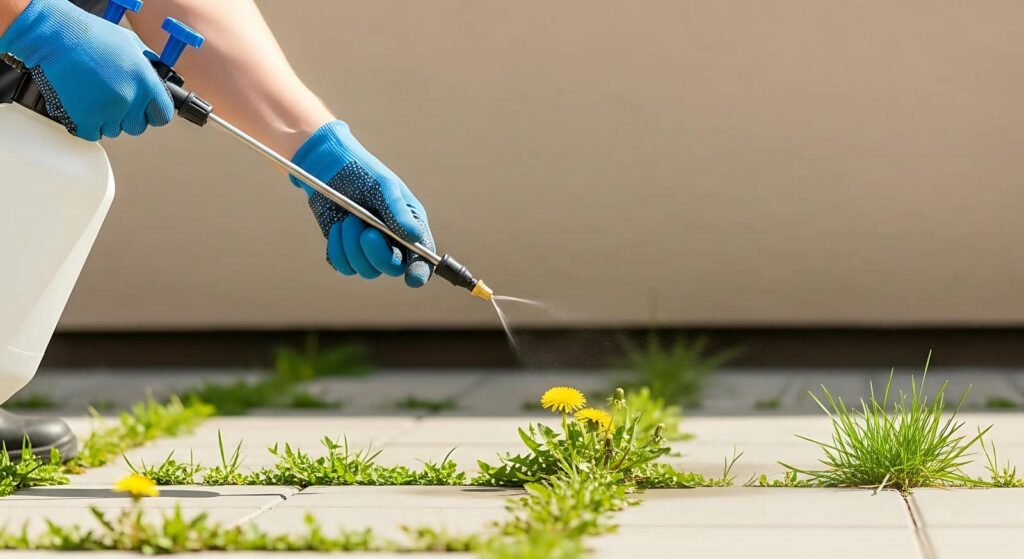
Consider investing in organic herbicides, which can help suppress weeds without harming beneficial plants. Look for those made from natural ingredients, ensuring safety for your family and pets.
Lastly, a good pair of gardening gloves protects your hands during the process.
With these tools, you’ll feel empowered to keep your lawn healthy while fostering a sense of community in your gardening efforts.
Top Natural Weed Control Techniques
With the right tools in hand, you can effectively implement various natural weed control techniques that promote a healthy lawn.
Here are some effective methods to contemplate:
Herbicidal Soaps: These target specific weeds without harming your grass, giving you a more eco-friendly option.
Mulching Techniques: Applying organic mulch not only suppresses weed growth but also enriches the soil as it decomposes, providing nutrients for your lawn.
Hand Weeding: Regularly pulling weeds by hand is labor-intensive but ensures you remove the entire root, preventing regrowth.
How to Prevent Weeds From Taking Over
While it might seem impossible to keep weeds at bay, you can take several proactive steps to prevent them from taking over your lawn.
Start by improving your soil health; healthy soil fosters strong grass that can outcompete weeds. Regularly test your soil to identify nutrient deficiencies and amend accordingly.
Next, consider the mulching benefits; applying a layer of organic mulch suppresses weed growth and retains moisture.
Additionally, mowing your lawn at the recommended height encourages deeper root systems, making it harder for weeds to thrive.
Don’t forget to water deeply but infrequently, promoting strong grass while discouraging weed seeds.
With these strategies, you’ll cultivate a vibrant lawn that stands strong against unwanted invaders.
How to Resolve Common Problems in Natural Weed Control
When tackling common problems in natural weed control, understanding the underlying issues can greatly enhance your success.
Start by honing your weed identification skills; knowing what you’re dealing with helps you choose the right approach.
Here are some tips to guide you:
- Use weed identification tips to differentiate between desirable plants and pesky invaders.
- Explore organic herbicide options that target specific weeds without harming your lawn.
- Adjust your lawn care practices, like mowing height and watering, to create an environment less conducive to weeds.
Best Practices for Maintaining a Healthy Lawn With Natural Weed Control
To maintain a healthy lawn through natural weed control, it’s essential to focus on proactive care strategies.
Start by improving soil health; test your soil and amend it with organic matter to enhance nutrient availability. This creates a thriving environment for grass while discouraging weeds.
Next, promote lawn diversity by planting a mix of grass types suited to your region. Diverse lawns are more resilient, making it harder for weeds to take hold.
Regular mowing at the right height prevents weeds from flowering, while proper watering helps your grass outcompete them.
Finally, consider natural mulches in garden edges to suppress weeds.
Frequently Asked Questions
How Long Does It Take for Natural Methods to Show Results?
Natural methods typically show results within two to six weeks, depending on timing factors like weather and application techniques. You’ll see improved effectiveness over time, so be patient and consistent for the best outcomes.
Are There Any Risks Associated With Natural Weed Control?
Yes, there are risks with natural weed control. While organic alternatives often reduce environmental impact, they can sometimes harm beneficial plants or insects if misapplied. Always research methods to ensure a balanced approach for your lawn.
Can I Use Natural Methods on Flower Beds Too?
Absolutely, you can use natural methods in your flower beds. For effective flower bed maintenance, consider companion planting; it controls weeds and fosters a thriving ecosystem, enhancing your garden’s beauty and health.
What Should I Do if Weeds Return After Treatment?
If weeds return after treatment, implement preventive measures like mulching and regular mowing. Combine these with long-term strategies such as crop rotation and healthy soil practices to keep your garden thriving and weed-free.
Are Natural Weed Control Methods Safe for Pets and Children?
Natural weed control methods are typically safe for pets and children. Think of it like nurturing a garden; you want to protect your loved ones. Explore pet-friendly options and child-safe techniques for a worry-free yard.
Wrap-Up
Incorporating natural weed control methods is like nurturing a garden: with care and attention, your lawn can flourish. By recognizing weeds, using the right tools, and employing effective techniques, you’ll create a vibrant green space that thrives without harmful chemicals. Regular maintenance helps your grass outcompete unwanted plants, ensuring a healthy, beautiful lawn. Embrace these practices, and watch your outdoor oasis transform into a resilient sanctuary, free from the chokehold of weeds.
Recent Posts
Top 5 Organic Lawn Disease Prevention Tips
Just as a sturdy fortress withstands the test of time, your lawn needs a solid
Natural Solutions for Lawn Disease Prevention
To prevent lawn diseases, to enhance soil health, and to foster a healthy ecosystem, you
10 Best Ways Overseeding Prevents Lawn Diseases
Overseeding is an essential practice for maintaining a healthy lawn and preventing diseases. By enhancing