
Contents
If you’re looking to achieve a lush, healthy lawn, understanding the importance of lawn aeration is essential. This process enhances air and nutrient access to your grass roots, leading to improved growth and resilience. Different techniques cater to various lawn types and sizes, and timing plays a vital role in effectiveness. Knowing when and how to aerate can make all the difference. Let’s explore the top techniques that will transform your lawn into a vibrant green space.
Key Takeaways
- Core aeration is the most effective method, removing soil plugs to enhance air and nutrient access for grass roots.
- Spike aeration can create holes but may not effectively relieve soil compaction compared to core aeration.
- Liquid aeration is suitable for smaller lawns, while mechanical aeration is ideal for larger spaces requiring extensive compaction relief.
- Timing is essential; aerate cool-season grasses in early spring or fall and warm-season grasses in late spring to early summer.
- Post-aeration care includes fertilizing, maintaining moisture, and top dressing with compost to improve soil health and support grass growth.
Understanding Lawn Aeration
When you understand Lawn Aeration, you’ll see it as a crucial practice for maintaining a healthy lawn. Aeration involves perforating the soil with holes to alleviate soil compaction, which can restrict root growth and water absorption. By creating these openings, you enhance air circulation and nutrient penetration, essential for strong grass roots.
You might notice that heavily trafficked areas, like playgrounds or paths, often suffer from soil compaction, leading to poor lawn health. Aeration helps mitigate this by breaking up compacted soil, allowing roots to expand and access critical resources.
There are two primary aeration techniques: core aeration and spike aeration. Core aeration removes plugs of soil, creating space for air and nutrients, while spike aeration simply pokes holes into the soil.
Understanding these methods equips you with the knowledge to rejuvenate your lawn, fostering a vibrant and lush outdoor space that you can take pride in.
Benefits of Aerating Your Lawn
Aerating your lawn considerably boosts nutrient absorption, allowing essential minerals and vitamins to reach the grassroots more effectively.
This process also enhances water penetration, reducing runoff and ensuring that moisture reaches deeper soil layers.
As a result, you’ll notice a healthier, more resilient lawn that thrives in various conditions.
Improved Nutrient Absorption
How can Lawn Aeration enhance nutrient absorption? When you aerate, you create channels in the soil that allow nutrients to penetrate deeper, improving nutrient cycling.
This process encourages beneficial microbes to thrive, which in turn boosts soil health. As air and nutrients reach the grassroots more effectively, your grass can absorb essential elements like nitrogen, phosphorus, and potassium more efficiently.
The improved microbial activity also helps break down organic matter, releasing additional nutrients for your lawn to utilize.
Enhanced Water Penetration
Improved nutrient absorption naturally leads to better water penetration in your lawn.
When you aerate, you create channels that allow water to reach deeper soil layers, enhancing soil moisture retention. This process is crucial for effective root development, as it encourages roots to grow deeper and spread wider.
With better access to water, your grass can thrive, reducing stress during dry spells. Furthermore, the increased moisture in the soil promotes microbial activity, which further enriches the environment for your grass roots.
By prioritizing Lawn Aeration, you’re not just improving water penetration; you’re fostering a lush, vibrant lawn that’s resilient and healthy.
Join your neighbors in this simple yet impactful practice, and watch your lawn transform into a stunning green oasis.
Types of Lawn Aeration Techniques
Lawn Aeration plays an essential role in maintaining a healthy and vibrant yard, and various techniques can effectively achieve this.
Core aeration is one of the most popular methods, removing small plugs of soil to alleviate soil compaction, allowing air and nutrients to penetrate better.
Spike aeration, on the other hand, uses solid tines to puncture the soil, creating holes that improve water flow but may not relieve compaction as effectively.
Liquid aeration is a less invasive option, using a solution to loosen soil without physical disruption, ideal for smaller lawns.
You can also choose manual aeration, which involves using handheld tools for small areas, or mechanical aeration, which employs machines for larger spaces.
Seasonal aeration is recommended to optimize soil health, ensuring your grass thrives throughout the year.
Each technique has its benefits, so choose the one that suits your lawn’s specific needs.
Best Time for Lawn Aeration
Timing is essential for effective Lawn Aeration, as performing the process at the right moment can greatly enhance your turf’s health.
The best time for Lawn Aeration typically falls during the aeration season, which varies depending on your grass type. For cool-season grasses, aim for early spring or early fall, when temperatures are mild and moisture levels are ideal.
Conversely, warm-season grasses benefit from aeration in late spring to early summer.
In these periods, the soil is softer, allowing your aerator to penetrate easily, and your grass will recover quickly from the stress of aeration.
Remember, ensuring ideal conditions—like adequate moisture and appropriate temperatures—can considerably improve the results.
Tools for Effective Aeration
Achieving effective Lawn Aeration requires the right tools to ensure ideal soil penetration and grass recovery.
When it comes to aerating your lawn, you can choose between manual aerators and power aerators, each offering unique benefits. Manual aerators, such as spike or plug models, are great for small to medium-sized lawns. They allow you to control the depth and spacing of the holes, ensuring thorough aeration while getting some exercise in the process.
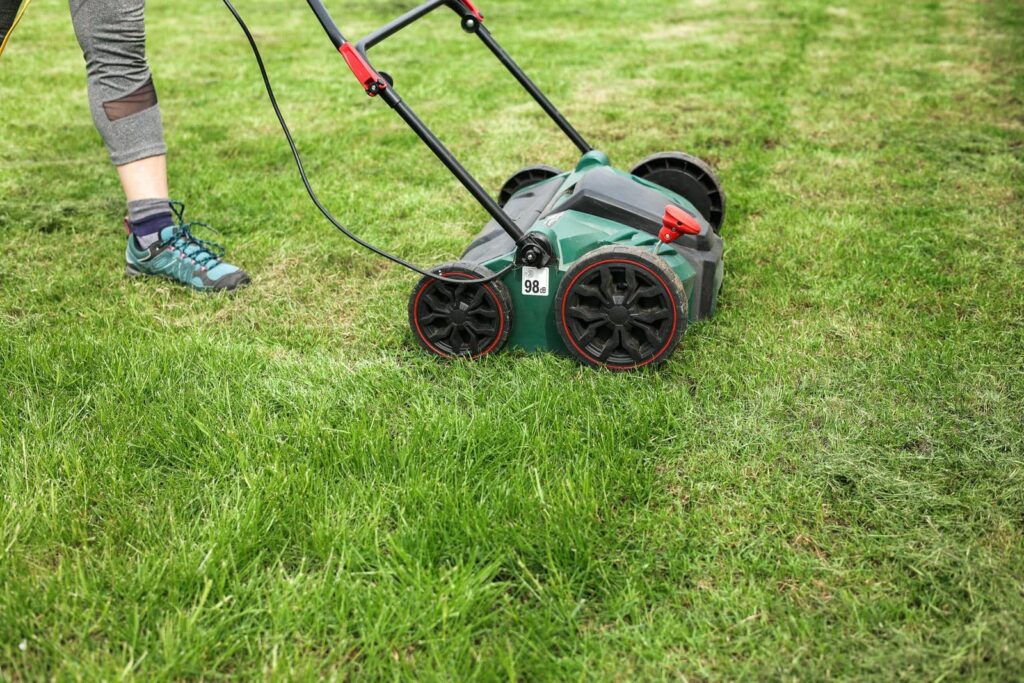
On the other hand, power aerators, which can be either tow-behind or standalone machines, are perfect for larger areas. These tools use gas or electric power to quickly create numerous holes in the soil, markedly reducing the time and effort needed.
Whichever option you select, investing in quality aeration tools will enhance your lawn’s health and vibrancy, fostering a strong sense of community pride among fellow lawn enthusiasts.
Step-by-Step Aeration Process
To effectively Lawn Aerate your lawn, you need the right tools and an understanding of when to perform the task.
Start by selecting aeration equipment suitable for your lawn size and grass type, and then plan your aeration schedule based on seasonal growth patterns.
Regular Lawn Aeration, typically done in the spring or fall, ensures maximum soil health and turf importance.
Tools for Aeration
Lawn Aeration is an essential process for maintaining a healthy, vibrant yard, and having the right tools can make all the difference.
When you’re considering DIY aeration, here are some crucial aeration tools you’ll need:
Core Aerator: Removes plugs of soil to improve airflow and nutrient absorption.
Spike Aerator: Creates holes in the soil without removing plugs, ideal for smaller areas.
Lawn Roller: Helps flatten the soil after aeration, ensuring an even surface.
Garden Fork: A manual option for small patches, perfect for tight spaces.
Soil Moisture Meter: Helps determine when aeration is necessary based on soil conditions.
With these tools, you’ll be well-equipped to enhance your lawn’s health and aesthetics.
Happy aerating!
Timing and Frequency
Choosing the right tools sets the stage for effective Lawn Aeration, but timing and frequency are just as important for maximizing its benefits.
Ideally, you should aerate during the growing season, typically in early spring or early fall, based on your grass type. Seasonal considerations play an essential role; cool-season grasses thrive with fall aeration, while warm-season varieties benefit from spring treatment.
Aim for aeration once or twice a year to promote the best lawn recovery. Pay attention to soil moisture levels, as aerating when the soil is too dry can hinder results.
Post-Aeration Lawn Care
Once you’ve completed Lawn Aeration, it’s vital to focus on proper post-aeration care to maximize the benefits of the process.
This phase is significant for enhancing soil health and promoting vibrant grass growth. Here are key practices to follow:
Post Aeration Fertilization: Apply a balanced fertilizer to provide necessary nutrients.
Soil Moisture Management: Make sure the soil remains adequately moist to support seed germination and root development.
Watering Schedule: Water deeply and infrequently to encourage deep root growth.
Top Dressing: Consider adding a thin layer of compost to improve soil structure and nutrient availability.
Mowing Height: Keep your mower blades high to protect newly aerated areas and allow for peak recovery.
Common Mistakes to Avoid
Proper post-aeration care sets the stage for a thriving lawn, but avoiding common mistakes during and after the Lawn Aeration process is equally important.
One major pitfall is neglecting to water adequately. After Lawn Aeration, your grass needs moisture to help the soil recover and promote root growth.
Also, don’t fall for aeration myths that suggest you can skip fertilization. In reality, applying a balanced fertilizer shortly after Lawn Aeration enhances nutrient absorption through the newly created holes.
Overlooking the need for consistent mowing can also hinder your lawn’s health; keep it at the recommended height to prevent stress.
Finally, avoid compacting your soil again by steering clear of heavy foot traffic until your lawn is fully restored.
When to Seek Professional Help
Wondering when it’s time to call in the experts for your Lawn Aeration?
Recognizing the right indicators for intervention is essential for maintaining a vibrant lawn.
Here are some key signs that professional help might be needed:
Severe compaction: If your soil feels hard and dry, it’s tough for roots to grow.
Thatch buildup: A thick layer of thatch (over ½ inch) can stifle healthy grass.
Poor drainage: Water pooling on your lawn can indicate soil issues.
Uneven growth: If some areas are lush while others are bare, it’s time to assess the situation.
Frequent brown patches: Persistent dead spots suggest underlying problems that might require expert assistance.
When considering professional service, think about your lawn’s specific needs and the expertise available.
With the right help, you can ensure your grass thrives beautifully!
Recap
Just as a gardener nurtures seeds to bloom, Lawn Aeration is essential for cultivating vibrant grass. By understanding the right techniques and timing, you’re ensuring your lawn receives the air and nutrients it craves. Remember, each Lawn Aeration session is like a gust of revitalizing air for your turf. Embrace the process, provide diligent post-care, and watch your lawn flourish like a well-tended garden, brimming with life and color. Your efforts will surely pay off!
Recent Posts
5 Spring Tips for Organic Lawn Care
Spring offers a unique opportunity to transform your lawn into a lush, eco-friendly oasis. By
10 Best Organic Lawn Care Tips for Spring
Spring offers a prime opportunity to enhance your lawn organically. By focusing on soil health,
Spring Organic Lawn Care Tips for a Healthy Yard
If you’ve noticed patchy areas in your lawn after winter, it’s time to think about