
Contents
Like a sculptor chiseling away at marble, aerating your lawn can reveal the lush beauty beneath. Timing and technique matter, and knowing when to take action is vital. You’ll want to prepare your lawn properly and follow up with the right care. Curious about the steps that’ll transform your yard into a vibrant green oasis? Let’s explore the essential tips you need for effective lawn aeration.
Key Takeaways
- Aerate during early spring for cool-season grasses or late summer for warm-season grasses to promote optimal growth.
- Use core aerators for compacted soils and spike aerators for sandy soils based on your lawn’s composition.
- Mow the grass shorter and water thoroughly 1-2 days before aeration for better soil access and aeration effectiveness.
- Fertilize immediately after aeration with a suitable fertilizer and follow up with light watering for optimal nutrient absorption.
- Overseed right after aeration to encourage thicker grass growth and maintain a regular watering schedule for healthy recovery.
Choose the Right Time for Aeration
When you’re planning to aerate your lawn, timing can make all the difference in achieving optimal results. The ideal seasons for aeration typically fall in early spring or early fall, depending on your climate considerations.
If you live in a cooler region, aim for early spring as your grass starts to grow. Conversely, in warmer climates, late summer to early fall is best, giving your lawn time to recover before winter.
Understanding your local weather patterns is essential; consistent rainfall can help the soil soften, making aeration more effective.
It’s also important to avoid aerating during periods of drought or extreme heat, as stressed grass won’t benefit from the process.
Select the Appropriate Aeration Method
How do you choose the right aeration method for your lawn? It all boils down to understanding your soil types and selecting the right aeration tools.
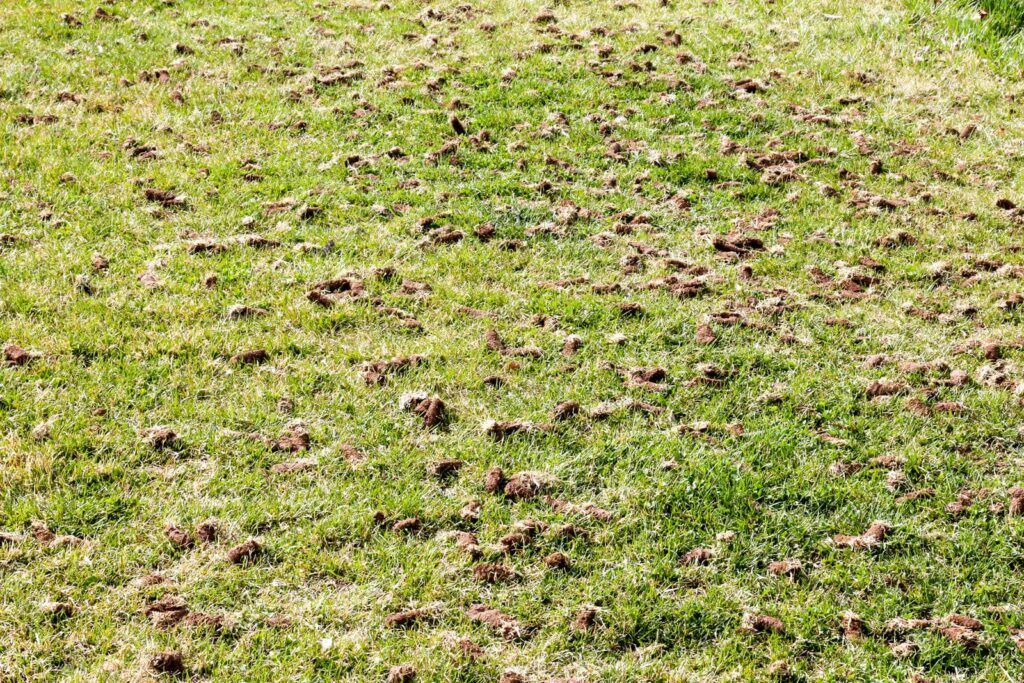
If your lawn has heavy clay or compacted soil, core aerators will be your best bet, as they remove plugs of soil, allowing air, water, and nutrients to penetrate deeply.
For sandy soils, a spike aerator might suffice, as it creates holes without removing soil.
Consider these factors:
Soil Composition: Know whether you’re dealing with clay, loam, or sandy soil.
Lawn Size: Choose tools that match your lawn’s size for efficiency.
Budget: Some aeration tools can be rented, making them budget-friendly options.
Prepare Your Lawn Before Aeration
Before you start aerating, it’s essential to prep your lawn for best results.
Mow your grass shorter to ensure the aerator can penetrate the soil effectively, and don’t forget to water your lawn adequately a day or two prior.
This hydration will help soften the ground, making the aeration process smoother and more beneficial for your turf.
Mow Grass Shorter
Mowing your grass shorter is a crucial step in preparing for lawn aeration. By lowering the grass height, you allow the aerator to penetrate the soil more effectively, enhancing air and nutrient flow to the roots.
Aim to mow at least one-third shorter than your regular height, adjusting your mowing frequency to keep the grass manageable.
Enhances aeration effectiveness: Shorter grass means more exposure for the soil.
Promotes healthy growth: Encourages deeper root systems post-aeration.
Prevents lawn stress: Less grass means less competition for nutrients and water.
Water Lawn Adequately
Properly watering your lawn in the days leading up to aeration is essential for achieving perfect results.
Start by employing effective irrigation techniques to ensure even moisture distribution. Aim for about one inch of water per week, either through rainfall or your irrigation system. This promotes ideal water retention, making the soil softer and easier to penetrate during aeration.
Pay attention to your lawn’s specific needs; different grass types may require varying amounts of water. Consider using a moisture meter to pinpoint areas that need more attention.
Understand Soil Moisture Levels
Understanding soil moisture levels is vital for effective lawn aeration, as it directly influences the health and vigor of your grass.
When soil moisture is balanced, it allows for better penetration and reduces soil compaction, which can suffocate your roots. Too dry or too wet conditions can hinder aeration, so it’s important to monitor and adjust accordingly.
- Check your soil moisture regularly to ensure it’s ideal for aeration.
- Aim for consistent moisture retention; this helps maintain healthy roots.
- Aerate when your soil is damp but not soggy for the best results.
Follow up With Fertilization
After aerating your lawn, timing your fertilization is essential for ideal growth.
You’ll want to select a fertilizer that matches your grass type and soil needs, ensuring your yard thrives.
Let’s explore effective application techniques that maximize nutrient absorption and promote a lush, vibrant lawn.
Timing Your Fertilization
When you’ve just aerated your lawn, timing your fertilization becomes essential for maximizing the benefits of the process.
Fertilizing soon after aeration allows nutrients to penetrate deeper into the soil, promoting ideal growth. Keep in mind the seasonal changes that affect your lawn’s health. You’ll want to time your fertilization in accordance with the grass type and local climate.
- Fertilize in early spring for cool-season grasses.
- For warm-season grasses, aim for late spring or early summer.
- Always water after fertilization to help nutrients soak in.
Choosing the Right Fertilizer
Choosing the right fertilizer is just as important as the timing of your application. You’ll want to evaluate your lawn’s specific needs and the existing soil conditions.
Look for organic options that enrich your soil while promoting a healthier ecosystem. Organic fertilizers release nutrients slowly, ensuring your grass gets what it needs over time.
Pay attention to the nutrient balance, typically represented by the N-P-K ratio; this indicates nitrogen, phosphorus, and potassium levels. A balanced approach can lead to lush, green grass without overloading your lawn with chemicals.
Application Techniques Explained
To achieve ideal results when applying fertilizer, it’s essential to understand the various techniques that can enhance nutrient uptake and minimize waste.
Using the right aeration tools helps create the perfect environment for your lawn’s health. Here are some effective application techniques to contemplate:
Timing Matters: Fertilize after aeration when the soil is exposed, allowing nutrients to penetrate effectively.
Even Distribution: Use a spreader for uniform application, preventing patches of nutrient overload or deficiency.
Watering: Follow up with light watering post-application to help dissolve the fertilizer and promote absorption.
Regular Maintenance After Aeration
Although aeration plays a crucial role in revitalizing your lawn, maintaining it properly afterward is just as important for long-term health. To ensure the benefits of reduced soil compaction last, you’ll want to focus on a few key practices.
| Maintenance Task | Timing |
|---|---|
| Post Aeration Watering | Immediately after aeration, then regularly |
| Fertilization | 2-4 weeks post-aeration |
| Overseeding | Right after aeration |
| Mowing | Wait until the grass is 3 inches tall |
| Soil Testing | Every season |
Start with adequate post-aeration watering to keep the soil moist, promoting new growth. Fertilizing a few weeks later can boost nutrient uptake. Overseeding, when done right after aeration, encourages thicker grass. Finally, be mindful of mowing height to prevent stress. Following these steps will help your lawn thrive beautifully!
Monitor Lawn Health Post-Aeration
Once you’ve aerated your lawn, keeping a close eye on its health becomes crucial for maximizing the benefits of your hard work.
Lawn monitoring after aeration allows you to track essential health indicators, ensuring your grass thrives. Look for signs that your lawn is responding positively and adjust your care routine accordingly.
Color: Watch for vibrant green hues; this indicates proper nutrient absorption.
Growth Rate: Monitor how quickly your grass grows; a healthy lawn will fill in the aeration holes.
Soil Moisture: Regularly check moisture levels to prevent over- or under-watering.
Final Thoughts
In the journey to a vibrant lawn, think of aeration as the deep breath your grass needs to thrive. Just like how we feel refreshed after a good stretch, your lawn will flourish with the right care. Remember to time it well, choose the right method, and nurture it afterward. With patience and regular maintenance, your lawn will turn into a lush green carpet, inviting you to relax and enjoy the beauty of your outdoor oasis.
Recent Posts
5 Spring Tips for Organic Lawn Care
Spring offers a unique opportunity to transform your lawn into a lush, eco-friendly oasis. By
10 Best Organic Lawn Care Tips for Spring
Spring offers a prime opportunity to enhance your lawn organically. By focusing on soil health,
Spring Organic Lawn Care Tips for a Healthy Yard
If you’ve noticed patchy areas in your lawn after winter, it’s time to think about