
Contents
When it comes to lawn care, understanding aeration is essential for maintaining a healthy, vibrant yard. If you’re noticing signs of compaction or uneven growth, it’s time to take action. Timing and technique matter, especially as different grass types require specific attention. But how do you know when and how to aerate effectively? Let’s explore the fundamental tips that can transform your lawn’s health and liveliness.
Key Takeaways
- Aerate your lawn during the appropriate season, aligning with your grass type for optimal results in nutrient absorption and growth.
- Use core aerators for effective soil compaction relief, avoiding spike aerators that can further compact the soil.
- Assess soil moisture before aerating; aim for moist conditions to enhance aeration effectiveness without causing damage.
- Follow up aeration with deep watering and slow-release fertilizer to maximize nutrient uptake and promote healthy growth.
- Avoid over-aerating and heavy foot traffic post-aeration to allow your lawn adequate time to recover and thrive.
Understanding Lawn Aeration
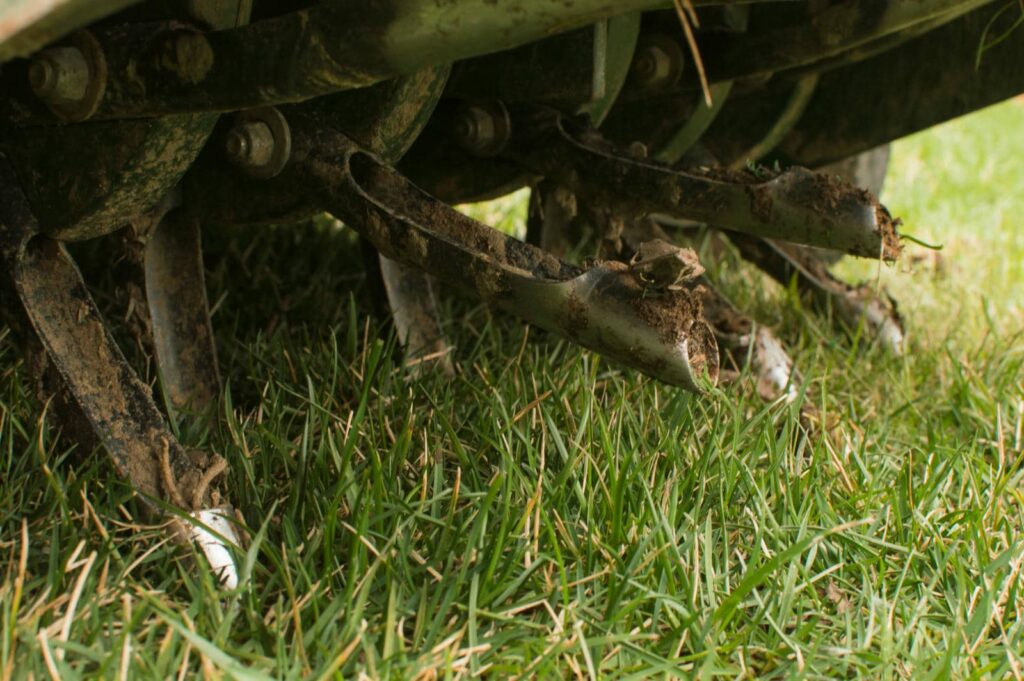
Lawn aeration is an indispensable process that enhances the health of your turf by improving air circulation, water infiltration, and nutrient absorption. Understanding various aeration techniques is essential for maintaining ideal soil health. You can choose mechanical aeration, which involves using a machine to remove plugs of soil, or manual aeration, where you physically poke holes into the ground. Each technique has its benefits, depending on your lawn’s condition and size.
When you aerate, you’re not just creating holes; you’re stimulating microbial activity and allowing roots to access crucial elements. This process helps reduce compaction, enabling your grass to thrive and creating a lush, green environment.
Regular aeration fosters a deeper, healthier root system, ultimately enhancing your lawn’s resilience. By mastering these techniques, you’ll cultivate a vibrant space that invites both relaxation and community bonding. Your lawn becomes not just a yard, but a welcoming oasis.
Signs Your Lawn Needs Aeration
If you notice areas of your lawn that have a spongy feel or water pooling after rainfall, it’s a clear sign of compacted soil.
Poor water absorption not only affects grass health but can also lead to uneven growth and increased weed problems.
Recognizing these symptoms early can help you take action to restore your lawn’s vigor.
Compacted Soil Issues
Recognizing the signs of compacted soil can save you time and effort in maintaining a healthy lawn. If your grass struggles to grow or shows signs of stress, soil compaction causes, such as heavy foot traffic or machinery use, might be at play.
Check for hard, dry patches that resist your efforts to water or fertilize. You might also notice increased weed growth, as compacted soil restricts healthy grass roots.
To remedy this, consider aeration frequency recommendations tailored to your lawn’s specific needs, typically every 1-3 years, depending on usage.
Poor Water Absorption
Signs of poor water absorption often emerge in tandem with compacted soil issues, making it essential to address both for a thriving lawn.
When water pools on the surface instead of soaking in, it indicates that your soil may be too compacted, hindering root growth. This can severely limit nutrient uptake, leaving your grass starving and weak.
You might notice patchy, brown areas or excessive thatch buildup, further signaling a need for aeration.
By puncturing the soil, you create channels for water and nutrients to penetrate deeper, fostering healthier roots.
Regular aeration revives water absorption and supports a lush, vibrant lawn you can be proud of.
Take action now, and watch your lawn flourish!
Best Time to Aerate Your Lawn
Timing your lawn aeration is vital for the best results.
Consider the season, soil moisture levels, and the specific grass type you have, as these factors greatly influence the effectiveness of aeration.
Seasonal Timing Considerations
When it comes to aerating your lawn, choosing the right season is crucial for achieving ideal results.
Spring aeration works wonders for cool-season grasses, allowing them to thrive as they wake from dormancy. Timing it around late spring ensures your lawn gets the oxygen it craves just as temperatures rise.
On the other hand, fall aeration is the secret weapon for warm-season grasses, giving them the boost they need before winter sets in. This process helps alleviate compaction, enhance water absorption, and improve nutrient uptake, setting your lawn up for a lush comeback in spring.
Soil Moisture Levels
Soil moisture plays a pivotal role in determining the best time to aerate your lawn. You’ll want to check that your soil has adequate moisture retention before aerating.
If the soil is too dry, you risk damaging the roots and compacting the earth further. Conversely, overly saturated soil can hinder proper soil drainage and lead to muddy conditions, making it difficult for aeration equipment to penetrate effectively.
Aim for a balance; aerating when the soil is moist but not soggy allows for ideal core removal, improving airflow and nutrient access. You’ll empower your lawn to thrive, creating a lush, healthy environment that fosters a sense of belonging in your outdoor space.
Timing is everything, so observe those moisture levels closely!
Grass Type Differences
Understanding the specific grass type in your lawn is essential for determining the best aeration schedule.
If you’ve got cool-season grasses, like Kentucky bluegrass or fescue, aim to aerate in early spring or fall when temperatures are mild and moisture levels are ideal. This timing allows your grass to recover quickly and thrive.
On the other hand, if your lawn features warm-season grasses like Bermuda or Zoysia, late spring through early summer is perfect for aeration. During this period, these grasses are actively growing, making them more resilient to the stress of aeration.
Choosing the Right Aeration Method
As you consider the best aeration method for your lawn, it’s essential to evaluate the specific needs of your grass type and soil conditions.
Manual aeration, using handheld tools, is ideal for smaller areas or when you want precision. It allows you to target compacted spots, ensuring that air, water, and nutrients reach the roots effectively.
However, if your lawn is larger or heavily compacted, mechanical aeration could be the better choice. This method utilizes a machine that removes plugs of soil, promoting faster recovery and overall health.
Both methods have their merits, but understanding your lawn’s unique requirements is imperative.
Think about factors like the soil’s drainage capacity and the type of grass you’re nurturing.
Ultimately, choosing the right aeration method enhances your lawn’s liveliness and fosters a sense of community as you share in the joy of well-cared-for green spaces.
Preparing Your Lawn for Aeration
Preparing your lawn for aeration is an essential step that can greatly enhance its health and resilience. Start by evaluating your lawn’s condition; a well-prepared lawn will yield better results.
Mow your grass to a manageable height, typically around two to three inches, to facilitate the aeration process. Remove any debris, such as leaves or sticks, to ensure unobstructed access.
Next, focus on equipment selection. Depending on your lawn size, you can choose a manual aerator for smaller areas or a powered aerator for larger expanses. Confirm the equipment is in good working condition, as proper functionality is key to effective aeration.
Lastly, consider soil moisture. Aim to aerate when your soil is moderately moist, as this allows the aerator to penetrate the ground more easily.
With these steps, you’re setting up a strong foundation for a healthier, thriving lawn.
Post-Aeration Lawn Care Tips
Once you’ve aerated your lawn, it’s crucial to follow up with proper care to maximize the benefits.
Start with post-aeration fertilization. Applying a high-quality fertilizer can enhance nutrient absorption through the newly created holes, encouraging robust root growth. Opt for a slow-release formula to ensure your lawn gets a steady supply of nutrients over time.
Next, implement lawn recovery techniques. Water deeply but infrequently to promote deep root development. This approach helps your grass establish resilience against drought and disease.
Mow at a higher setting to allow your grass to photosynthesize efficiently, further aiding recovery.
Finally, avoid heavy foot traffic for a few weeks, giving your lawn the chance to recuperate.
By following these steps, you’ll help your lawn thrive and foster a vibrant community of greenery that you can be proud of.
Benefits of Regular Lawn Aeration
Regular lawn aeration offers numerous benefits that greatly enhance the health and appearance of your grass. By improving aeration frequency, you allow essential air, water, and nutrients to penetrate the soil more effectively. This process reduces compaction, enabling roots to grow deeper and stronger, ultimately leading to a lush, vibrant lawn.
Moreover, regular aeration promotes better drainage, reducing the risk of waterlogging and fostering a healthier ecosystem in your yard. It encourages the growth of beneficial microorganisms that break down thatch and enhance soil fertility. You’ll notice improved lawn health and resilience, making your grass more tolerant to drought and disease.
Incorporating a consistent aeration schedule into your lawn care routine revitalizes your grass and fosters a sense of community pride. A well-maintained lawn becomes a gathering place for family and friends, enriching your outdoor experience and strengthening your connection to nature.
Common Mistakes to Avoid
While many homeowners understand the importance of aeration, they often overlook common mistakes that can undermine their efforts.
One major pitfall is improper aeration frequency. You might think more is better, but over-aerating can stress your lawn. Instead, aim for a schedule that aligns with your grass type and environmental conditions.
Another mistake is poor equipment selection. Using the wrong aerator—like a spike aerator instead of a core aerator—won’t provide the desired results. Core aerators remove plugs of soil, allowing for better air, water, and nutrient penetration.
Additionally, neglecting to assess soil conditions can lead to inadequate aeration. Test your soil’s moisture and compaction levels before aerating to ensure ideal outcomes.
When to Consider Professional Aeration Services
Evaluating whether to tackle aeration yourself or enlist professional services can greatly impact your lawn’s health. If you’re dealing with compacted soil or extensive thatch buildup, seeking professional help might be the best route.
While renting aeration equipment options can seem appealing, professionals possess advanced tools and expertise that ensure optimal results, saving you time and effort.
Consider your schedule and skill level—if you’re busy or unsure about the process, a professional service offers significant benefits. They’ll perform the aeration efficiently and provide insights tailored to your lawn’s specific needs, enhancing its vitality.
Additionally, professionals can often assess other lawn care aspects, giving you a thorough health check.
Ultimately, knowing when to reach out for help can transform your lawn into the lush oasis you’ve always desired, fostering a sense of community among fellow lawn enthusiasts who appreciate the artistry of well-maintained landscapes.
Summary
In the grand tapestry of lawn care, aeration is your golden key, opening the potential of your green oasis. By recognizing the signs, timing your efforts, and following up with proper care, you’re not just maintaining grass; you’re cultivating a thriving ecosystem. Like a well-tended garden of dreams, your lawn can flourish with each season’s embrace. Don’t hesitate to seek professional help when needed; even the strongest trees need support to reach for the sky.
Recent Posts
Top Lawn Care Tips for Grand Rapids Residents
Imagine stepping onto a vibrant, green lawn that feels lush underfoot, a demonstration of your
3 Best Lawn Care Tips for Grand Rapids Area
Did you know that proper lawn care can increase your home’s value? In the Grand
Why Consider Unique Landscaping for Cascade Homes?
Imagine stepping into a Cascade home adorned with vibrant native plants, creating a thriving ecosystem