
Contents
Improving your grass’s soil health is essential for robust growth and nutrient uptake. By implementing effective organic techniques, you can greatly enhance soil structure and fertility. From composting to the use of organic fertilizers, each method offers unique benefits. Understanding how to properly apply these techniques can make a difference. But what common pitfalls should you avoid to ensure your efforts yield the best results?
Key Takeaways
Incorporate organic amendments like compost and well-rotted manure to boost nutrient availability and enhance grass growth.
Utilize biochar to improve soil aeration and water retention, promoting a healthier grass ecosystem.
Plant green manures or cover crops to enrich soil structure and add organic matter during off-seasons.
Employ regular mulching to conserve moisture and gradually release nutrients as it decomposes.
Practice aeration techniques, such as core aeration, to enhance soil drainage and promote vigorous grass growth.
Why Soil Health Matters for Your Grass
Soil health is crucial for the vigor of your grass; studies show that well-balanced soil can enhance growth. Achieving optimal microbial activity is key to this process.
Healthy microbes break down organic matter, releasing essential nutrients that your grass needs to thrive. When you maintain a nutrient balance, your lawn can effectively absorb these elements, promoting robust growth and resilience against pests and diseases.
Monitoring pH levels and ensuring adequate organic matter improves microbial diversity, ultimately fostering a thriving ecosystem in your soil.
Top Organic Amendments for Soil Health and Lawn Enrichment
Enhancing your lawn’s health requires the right organic amendments to boost nutrient levels and improve soil structure.
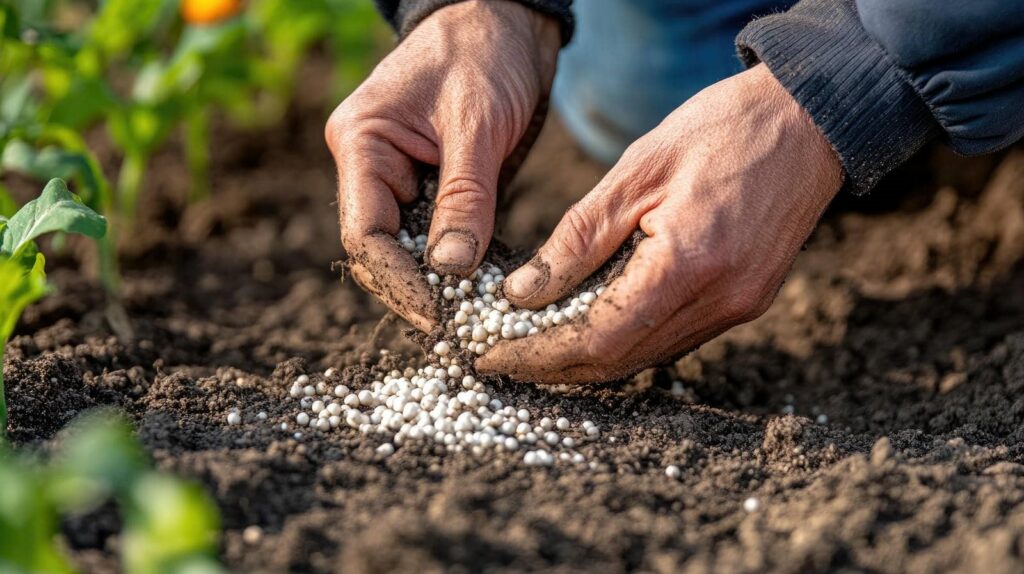
Start with organic fertilizers like compost and well-rotted manure, which provide essential nutrients and stimulate soil microbes crucial for nutrient cycling. Incorporating biochar can also enhance soil aeration and water retention, fostering a thriving ecosystem.
Additionally, using green manures or cover crops adds organic matter, which improves soil texture and supports microbial life.
Don’t overlook the importance of mulching; it protects soil moisture and adds nutrients as it decomposes.
How to Implement Composting for Soil Enrichment
Start composting to transform kitchen scraps and yard waste into nutrient-rich soil amendments that greatly enhance your lawn’s health.
The composting benefits are numerous, including improved soil structure, enhanced moisture retention, and increased microbial activity.
To begin, select a composting method that suits your space and lifestyle—options include bin systems, pile composting, or worm composting.
Layer green materials like vegetable scraps with brown materials such as dried leaves. Maintain a balanced carbon-to-nitrogen ratio, turning your compost regularly to aerate it and speed up decomposition.
In about three to six months, you’ll have rich compost ready to enrich your soil.
Engaging in composting benefits your lawn and fosters a sense of community and environmental responsibility.
Effective Aeration Techniques to Enhance Soil Drainage
While many homeowners focus on fertilization and watering, effective aeration is essential for improving soil drainage and promoting healthy grass growth.
You can enhance soil moisture retention and air circulation by using various aeration tools, such as spike aerators or core aerators. Spike aerators create holes in the soil, allowing air and water to penetrate, while core aerators remove soil plugs, improving drainage considerably.
Timing is important; aerate during the growing season when your grass can recover quickly. Aim for a soil compaction level that ensures optimum moisture levels, preventing waterlogging and encouraging root development.
Regular aeration enhances drainage and fosters a robust lawn ecosystem, making your lawn a fundamental part of your home environment.
Common Composting Mistakes to Avoid and Tips for Maintenance
Composting can be a rewarding endeavor, but many people make common mistakes that hinder the process. One major error is improper compost layering; make sure you alternate between greens and browns for ideal balance. Too much nitrogen-rich material can lead to odors, while insufficient carbon can slow decomposition.
Another frequent misstep is neglecting moisture management. Your compost should feel like a damp sponge—too dry, and microbial activity slows; too wet, and it may become anaerobic. Regularly turning your compost pile aerates it and aids in moisture distribution.
Frequently Asked Questions
How Long Does It Take to See Results From Soil Enrichment?
You’ll typically notice results from soil enrichment within three to six weeks, depending on nutrient absorption rates. The soil improvement timeline varies based on factors like organic material type and local climate conditions.
Can I Use Organic Techniques on All Grass Types?
Yes, you can use organic methods on all grass types. These techniques enhance soil health, promoting robust growth. Tailor your lawn care practices to specific grass types for ideal results in nutrient absorption and overall health.
Is Organic Soil Enrichment Safe for Pets?
When it comes to pets, you can rest easy—most organic soil enrichment methods are safe. Pet-friendly amendments and organic fertilizer options ensure your furry friends can roam freely without worry. It’s a win-win!
What Signs Indicate My Soil Needs Enrichment?
You’ll know your soil needs enrichment if you notice low soil pH, nutrient deficiencies, poor microbial activity, compaction issues, or drainage problems. Addressing these signs with organic amendments can restore balance and health to your soil.
How Often Should I Test My Soil Health?
Testing your soil health is like checking your pulse; you should do it at least once a year. Regular soil testing reveals health indicators, ensuring your grass thrives and stays vibrant throughout the seasons.
Review
In the quest for a lush, vibrant lawn, nurturing your soil is like laying a strong foundation for a skyscraper. By embracing organic techniques—composting, using organic fertilizers, and planting cover crops—you’re not just feeding your grass; you’re cultivating a thriving ecosystem. As you apply these methods, watch your soil transform into a rich tapestry of nutrients, ultimately leading to a resilient and flourishing lawn that stands tall against the test of time.
Recent Posts
10 Best Organic Lawn Care Tips for Spring
Spring offers a prime opportunity to enhance your lawn organically. By focusing on soil health,
Spring Organic Lawn Care Tips for a Healthy Yard
If you’ve noticed patchy areas in your lawn after winter, it’s time to think about
Boost Your Lawn: Soil Enrichment Strategies
Your lawn can either thrive or struggle, depending on the health of its soil. Evaluating