
Contents
Key Takeaways
- Aeration alleviates soil compaction, enhancing root development and allowing better access to air, water, and nutrients for healthy grass growth.
- Improved soil structure through aeration promotes deeper root growth, increasing drought resistance and overall lawn resilience against pests and diseases.
- Aerating your lawn helps reduce excessive thatch buildup, improving water infiltration and preventing pooling, resulting in a healthier lawn environment.
- Timely aeration can prevent thinning grass and bare patches, encouraging lush growth and creating a vibrant landscape.
- Professional aeration services ensure effective soil penetration and tailored advice, maximizing long-term benefits for lawn health and property value.
Understanding Lawn Aeration
Lawn aeration is essential for maintaining a healthy yard, especially if you notice compacted soil or poor grass growth. Understanding lawn aeration involves recognizing its role in alleviating soil compaction, which restricts root development and water absorption.
When soil becomes compacted, it limits airflow and nutrient movement, negatively affecting your lawn’s health.
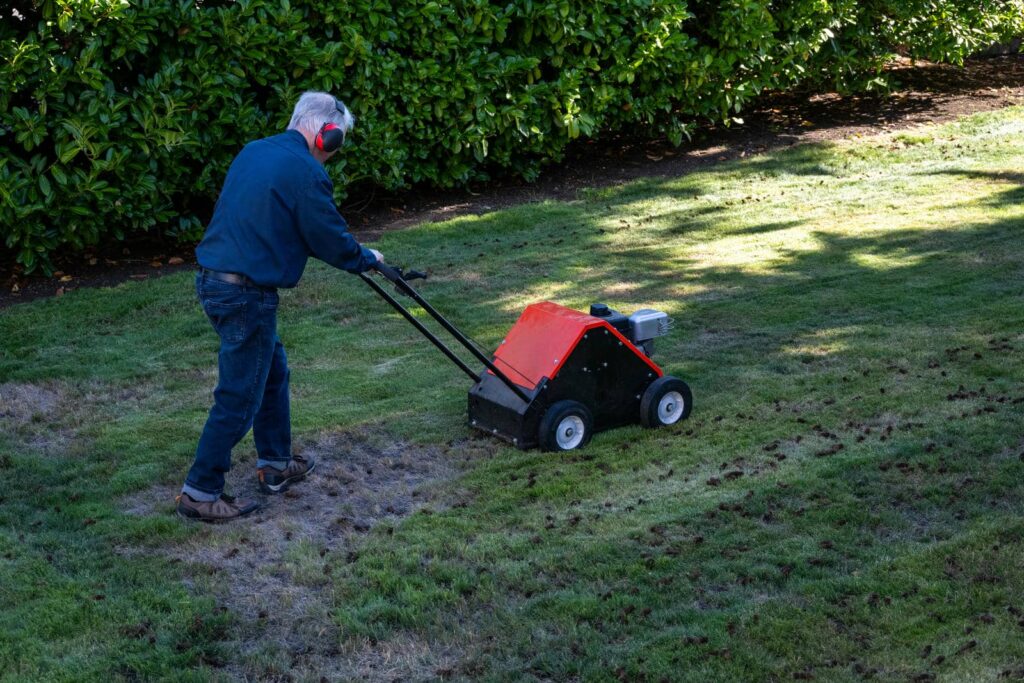
Aeration involves perforating the soil with holes, allowing air, water, and nutrients to penetrate deeply. This process improves soil structure and promotes beneficial microbial activity, enhancing your lawn’s resilience.
By aerating, you encourage roots to grow deeper, making your grass more drought-resistant and better equipped to withstand stress.
To ensure the best results, consider aerating during the growing season when your grass can recover quickly.
Benefits of Aerating Your Lawn
While you may not realize it, aerating your lawn offers numerous benefits that contribute to its overall health and appearance.
By improving soil structure, you create an environment where roots can thrive, leading to a lush, vibrant lawn.
Here are three key benefits of aeration:
Enhanced Nutrient Absorption: Aeration allows air, water, and nutrients to penetrate deeper into the soil, fostering better absorption by the grass roots.
Improved Soil Structure: By alleviating compaction, aeration promotes a healthier soil structure, which is vital for root growth and overall lawn health.
Increased Resilience: With a well-aerated lawn, your grass becomes more resilient to drought and disease, reducing the need for excessive watering and chemical treatments.
Incorporating aeration into your lawn care routine ensures a thriving, sustainable landscape that you can be proud of.
Signs Your Lawn Needs Aeration
Recognizing when your lawn needs aeration is key to maintaining its health and vigor. Watch for specific lawn health indicators like thinning grass or bare patches, which signal that your lawn may be struggling.
If you notice soil compaction signs, such as water pooling on the surface after rainfall, it’s time to take action. Compacted soil restricts root growth and prevents essential nutrients from reaching your grass.
Additionally, if your lawn feels spongy underfoot or shows signs of excessive thatch buildup, aeration can help alleviate these issues. Look for increased weed growth, as this can indicate that your grass isn’t thriving due to poor soil conditions.
Best Time to Aerate Your Lawn
To achieve ideal results, timing your lawn aeration is essential. Proper aeration can greatly influence your lawn’s health, but seasonal factors and climate impacts should guide your timing. Here are three key factors to reflect on:
Cool-Season Grasses: Aerate in early spring or fall when the grass is actively growing. This promotes recovery and strengthens root systems.
Warm-Season Grasses: Late spring through early summer is ideal for aerating these grasses, as they thrive in warmer temperatures and will recover quickly.
Soil Moisture: Verify the soil is slightly moist before aeration. Dry conditions can hinder the effectiveness of the process, while overly wet soil can lead to further compaction.
Different Aeration Methods
Aeration methods can vary greatly, and choosing the right one for your lawn is essential for the best results.
Two primary techniques are core aeration and spike aeration. Core aeration involves removing small plugs of soil, typically 2-4 inches apart, which allows air, water, and nutrients to penetrate deeper into the root zone. This method is highly effective for compacted soils and promotes healthy root growth.
On the other hand, spike aeration uses a machine or a handheld tool with spikes that penetrate the soil. While this method creates holes, it doesn’t remove soil, which can lead to further compaction around the holes.
Spike aeration is useful for minor issues but may not provide the same benefits as core aeration. Assess your lawn’s condition and goals to determine which method aligns best with your needs.
Choosing wisely will foster a thriving, healthy lawn that you can take pride in.
Preparing Your Lawn for Aeration
Before you begin the aeration process, it’s essential to properly prepare your lawn to ensure optimal results. By implementing effective lawn preparation techniques, you’ll make certain that your efforts yield a healthier and more vibrant yard. Follow these steps:
Mow Your Lawn: Cut your grass to about two inches. This height allows the aerator to penetrate the soil effectively without obstruction.
Water Your Lawn: Moist soil is vital for aeration. Water your lawn deeply a day or two before aerating to soften the ground, making it easier for the aerator to do its job.
Conduct Soil Testing: Use soil testing methods to assess pH and nutrient levels. Understanding your soil’s condition can help you tailor your aeration efforts to better meet your lawn’s needs.
Post-Aeration Lawn Care
After aerating your lawn, it’s essential to implement effective watering techniques to ensure the soil absorbs moisture properly.
You’ll want to water deeply but infrequently, allowing the roots to grow stronger.
Additionally, timing your fertilization after aeration maximizes nutrient uptake, promoting robust growth and overall lawn health.
Watering Techniques
Proper watering techniques are essential for your lawn’s recovery and growth after aeration. By ensuring your lawn receives adequate moisture, you promote healthy root development and enhance moisture retention.
Here are three effective strategies:
Use Drip Irrigation: This method delivers water directly to the soil, minimizing evaporation and maximizing absorption.
Water Deeply and Infrequently: Aim for about 1 to 1.5 inches of water per week, allowing the soil to dry slightly between watering sessions, which encourages deeper root growth.
Monitor Soil Moisture: Check the top inch of soil; if it feels dry, it’s time to water.
Implementing these techniques will help your lawn flourish, creating a lush and vibrant space you can enjoy.
Fertilization Timing
Once your lawn has been aerated and adequately watered, timing your fertilization is key to maximizing its recovery and growth. Proper fertilizer application aligns with your grass’s growth cycles, ensuring nutrients are readily available when needed most.
Here’s a simple guide to help you:
| Timing | Suggested Fertilizer Type |
|---|---|
| Early Spring | Slow-release nitrogen |
| Mid-Summer | Balanced fertilizer |
| Fall | High-phosphorus mix |
Common Mistakes to Avoid
While aerating your lawn can considerably enhance its health, many homeowners make critical mistakes that can undermine their efforts. Understanding common misconceptions and avoiding improper timing is essential for ideal results.
Here are three mistakes to steer clear of:
Aerating at the wrong time: Performing aeration during extreme weather or off-season can stress your lawn. Aim for early spring or fall when growth is active.
Neglecting soil moisture: Aerating dry soil can lead to more harm than good. Make sure the soil is moist, allowing for easier penetration and better results.
Using improper equipment: Many homeowners rent or purchase equipment that’s not suited for their lawn type. Choose the right aerator based on your grass and soil conditions for effective aeration.
When to Hire a Professional Service
Knowing when to hire a professional service can greatly impact the success of your lawn aeration efforts. If you’re facing compacted soil, heavy clay, or a large lawn area, it might be time to contemplate professional expertise.
These situations often require specialized equipment that you may not own, and professionals can ensure ideal results.
Cost factors also play a role in your decision. While hiring a service incurs upfront expenses, the long-term benefits of a healthy lawn can outweigh these costs.
A professional’s knowledge can prevent common mistakes that DIY aerators might make, assuring that your lawn thrives.
Additionally, if you’re unsure about the best timing for aeration based on your lawn type, professionals can provide tailored advice.
Ultimately, enlisting expert help can save you time, effort, and frustration, leading to a vibrant lawn that enhances your outdoor space.
Recap
Aerating your lawn might seem like a hassle, but the long-term benefits far outweigh the effort. By investing a little time now, you’re setting the stage for a healthier, more resilient lawn that requires less maintenance down the road. Don’t let the fear of temporary disruption hold you back; your grass will bounce back stronger and more vibrant. Embrace aeration, and watch as your lawn flourishes with improved growth, enhanced nutrient absorption, and greater resistance to stress.
Recent Posts
Top Lawn Care Tips for Grand Rapids Residents
Imagine stepping onto a vibrant, green lawn that feels lush underfoot, a demonstration of your
3 Best Lawn Care Tips for Grand Rapids Area
Did you know that proper lawn care can increase your home’s value? In the Grand
Why Consider Unique Landscaping for Cascade Homes?
Imagine stepping into a Cascade home adorned with vibrant native plants, creating a thriving ecosystem