
Contents
Revealing summer lawn care secrets, understanding your lawn’s needs, and implementing effective strategies can elevate your yard’s health. Many overlook simple techniques that can make a significant difference. You might not realize that the timing of your watering, the height of your mowing, and the choice of fertilizers play essential roles in maintaining a lush lawn. Discover what you might be missing and how small adjustments can lead to a thriving outdoor space.
Key Takeaways
- Water your lawn early in the morning to reduce evaporation and enhance nutrient absorption.
- Maintain a mowing height of about three inches to promote resilience during summer heat.
- Fertilize with organic options during active growth periods for slow nutrient release and minimal burn risk.
- Regularly inspect for weeds and pests to address issues promptly and maintain lawn vitality.
- Aerate and overseed in late summer to rejuvenate lawn health and build resilience against diseases.
Understanding Your Lawn’s Summer Needs
As summer temperatures rise, understanding your lawn’s needs becomes crucial for maintaining its health and vibrancy. One of the first things to take into account is your lawn soil’s condition. Healthy soil holds moisture and nutrients, which are essential during the hot months.
Regularly test your soil to check its pH and nutrient levels; this will ensure that you’re providing the right amendments to support growth.
Next, don’t overlook the impact of summer sunlight. Depending on your grass type, some may thrive while others struggle in direct sun.
Reflect on adjusting your watering schedule based on the intensity of sunlight your lawn receives. Early morning watering helps minimize evaporation and allows your lawn to absorb moisture effectively.
The Importance of Proper Mowing Techniques
While many homeowners focus on watering and fertilizing, proper mowing techniques are equally essential for a healthy lawn.
First, pay attention to mowing heights; cutting your grass too short can stress it, making it vulnerable to pests and drought. Aim for a height of about three inches to promote deep roots and resilience.
Next, don’t underestimate the importance of blade sharpness. Dull blades tear grass instead of cutting it cleanly, leading to a ragged appearance and increased susceptibility to disease. Sharpen your mower blades regularly to ensure a precise cut.
Lastly, vary your mowing patterns each time you mow; this helps prevent soil compaction and promotes upright growth.
Watering Wisely: Timing and Techniques
Proper mowing techniques lay the groundwork for a healthy lawn, but watering wisely is just as important for maintaining its vibrancy.
To achieve ideal lawn hydration, you need to time your watering effectively. Early morning is optimal, as it minimizes evaporation and allows grass to absorb moisture throughout the day.
Consider installing a drip irrigation system, which can deliver water directly to the roots, conserving resources and promoting deep growth.
If you’re watering manually, aim for about an inch of water per week, adjusting for rainfall.
It’s essential to observe your lawn; if grass blades start to wilt or turn a bluish hue, it’s time to hydrate.
Effective Fertilization Strategies for Summer Growth
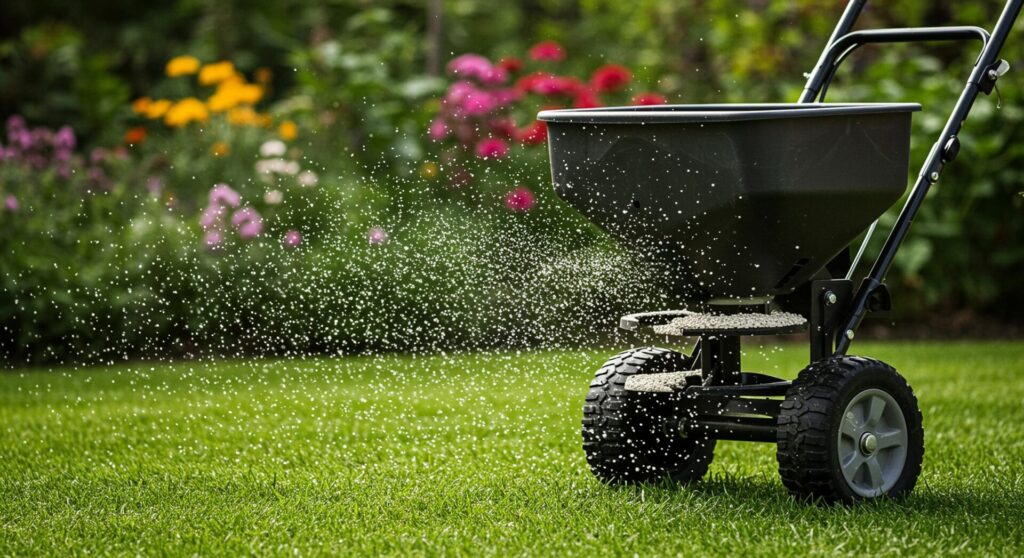
Fertilizing your lawn during the summer is essential for promoting robust growth and vibrant color. To maximize the benefits, focus on nutrient timing—apply fertilizers when the grass is actively growing, typically in late spring and early summer. Consider using organic options that release nutrients slowly, ensuring your lawn gets the nourishment it needs without the risk of burning.
Here’s a quick reference table for effective summer fertilization strategies:
| Fertilizer Type | Application Rate | Timing |
|---|---|---|
| Granular Organic | 1 lb per 100 sq ft | Early June |
| Liquid Organic | 1-2 oz per gallon | Mid July |
| Synthetic Slow-Release | 1 lb per 100 sq ft | Late July |
| Foliar Feed | Follow package directions | Bi-weekly |
Combatting Weeds With Professional Solutions
To maintain a lush, healthy lawn, tackling weeds is just as essential as nourishing your grass. You’ve likely noticed how quickly these pesky invaders can take over, stealing nutrients and sunlight.
Consider a professional herbicide application for effective and targeted control. They can provide solutions tailored to your lawn’s specific weed issues, ensuring you get the best results without harming your grass.
If you prefer a more natural approach, explore organic solutions. These options are eco-friendly and can be just as effective when applied correctly.
Regularly check your lawn for weeds and act promptly to prevent them from spreading. You’re not alone in this journey; many lawn enthusiasts face the same challenges.
Aeration: Enhancing Soil Health in Hot Months
After you’ve tackled those stubborn weeds, it’s time to focus on enhancing your soil health, especially during the hot months.
Aeration is vital for combating soil compaction, which often occurs in the summer heat. By creating small holes in your lawn, you allow air, water, and nutrients to penetrate deeper into the soil. This process promotes better nutrient absorption, ensuring your grass thrives when it needs it most.
Consider aerating your lawn if you notice water pooling or your grass struggling to grow. You can rent a core aerator from your local garden center or hire a professional for best results.
Aim to aerate during the early morning or late afternoon to avoid stressing your lawn. With proper aeration, you’ll foster a healthier, more vibrant lawn that you and your neighbors can admire.
Don’t overlook this step; it’s essential for a flourishing yard all summer long!
Pest Control: Protecting Your Lawn From Summer Invaders
As summer heat sets in, your lawn becomes a target for common pests like grubs and chinch bugs.
To keep your grass healthy, you need effective prevention and treatment methods in your toolkit.
Let’s explore how to identify these invaders and protect your lawn from their damaging effects.
Common Summer Pests
While summer brings vibrant growth and lush lawns, it also invites a host of pests that can wreak havoc on your grass. Common culprits include grubs, chinch bugs, and armyworms. Proper insect identification is vital; knowing what you’re dealing with helps you take effective action.
Grubs, for instance, feast on grass roots, leading to brown patches. If you notice signs of damage, conducting a simple soil check can confirm their presence. Early grub control is necessary to prevent extensive damage and keep your lawn thriving.
Prevention and Treatment Methods
To keep your lawn healthy and vibrant, implementing effective prevention and treatment methods against pests is key.
Start by regularly inspecting your lawn for signs of trouble, such as discoloration or wilting, which may indicate fungal diseases. Act quickly to treat these issues with organic remedies like neem oil or baking soda mixtures, ensuring you protect beneficial insects.
Additionally, maintaining proper watering and mowing practices can help create an environment less hospitable to pests. Consider introducing natural predators like ladybugs for aphid control.
Don’t forget to aerate your lawn, allowing better soil health and drainage.
Choosing the Right Grass Varieties for Warm Weather
When choosing grass for warm weather, you need to understand the difference between cool-season and warm-season varieties.
Opting for drought-resistant grass types can also save you time and water in the long run.
Selecting the right grass ensures a healthy, vibrant lawn that thrives in the heat.
Cool-Season vs. Warm-Season
Choosing the right grass variety for your lawn can greatly influence its health and appearance, especially in warm weather.
Cool-season grasses, like Kentucky bluegrass, thrive in spring and fall, showcasing vibrant colors during cooler periods. Warm-season grasses, such as Bermuda and Zoysia, prefer the heat of summer, growing rapidly with appropriate care.
Understanding these grass growth patterns is key to a flourishing lawn.
You’ll also notice seasonal care differences; warm-season grasses need more frequent watering and mowing during the heat, while cool-season types require less attention.
Drought-Resistant Grass Types
While maintaining a lush lawn can be challenging during hot, dry spells, selecting drought-resistant grass types can make a significant difference. When it comes to grass selection, consider varieties like Bermuda, Zoysia, or Buffalo grass. These grasses offer excellent drought resilience, thriving even in extreme heat. They require less water while still providing a beautiful green lawn.
Before planting, assess your lawn’s sunlight and soil conditions to ensure you choose the right variety for your space. Properly preparing your soil and ensuring good drainage can enhance these grasses’ drought tolerance.
Seasonal Lawn Treatments: Timing for Maximum Benefit
To achieve a lush, healthy lawn, understanding the timing of seasonal treatments is essential.
Start with a spring application of fertilizer to kickstart growth, ideally when temperatures consistently reach 55°F. This aligns with your lawn treatment schedules, ensuring nutrients are available when grass needs them most.
As summer approaches, consider applying a pre-emergent herbicide early to prevent pesky weeds. Timing is vital; applying it too late can lead to unwanted growth.
In late summer, focus on aeration and overseeding. This helps rejuvenate your lawn, promoting resilience against seasonal disease.
Finally, as fall arrives, apply a nitrogen-rich fertilizer to prepare your lawn for winter. This seasonal disease prevention strategy nourishes roots and enhances overall health.
Review
By embracing these summer lawn care secrets, you’re not just maintaining your yard; you’re crafting a vibrant retreat that beckons relaxation. With a little effort in mowing, watering, and nurturing your soil, you’ll watch as your lawn flourishes under the sun’s warm embrace. So, roll up your sleeves and enjoy the process—your lush oasis awaits, ready to become the envy of the neighborhood. With each step, you’re not just caring for your lawn; you’re creating a masterpiece.
Recent Posts
10 Best Organic Lawn Care Tips for Spring
Spring offers a prime opportunity to enhance your lawn organically. By focusing on soil health,
Spring Organic Lawn Care Tips for a Healthy Yard
If you’ve noticed patchy areas in your lawn after winter, it’s time to think about
Boost Your Lawn: Soil Enrichment Strategies
Your lawn can either thrive or struggle, depending on the health of its soil. Evaluating