
Contents
Did you know that lawn aeration can greatly reduce pest populations in your yard? By relieving soil compaction, aeration improves air and water flow, creating an unfavorable environment for pests like mosquitoes and chinch bugs. This process fortifies your grass and promotes beneficial microorganisms. Understanding the intricacies of aeration can transform your lawn’s health and pest management strategy, so let’s explore how to maximize its benefits effectively.
Key Takeaways
- Aeration improves soil structure, enhancing nutrient absorption and air circulation, which strengthens grass against pests.
- Core aeration is more effective for heavy clay soils, providing better pest control by disrupting their habitats.
- Aerating during early spring or early fall promotes robust grass growth, making lawns less attractive to harmful pests.
- Proper lawn care post-aeration, including tailored fertilization and increased watering, fosters a healthier lawn that competes better against pests.
- Aeration reduces standing water in compacted areas, disrupting mosquito breeding cycles and improving overall lawn health.
Understanding Lawn Aeration and Its Benefits
Lawn aeration is an essential process that enhances the health of your turf by improving soil structure and promoting root growth. When soil compaction occurs, it restricts air and water movement, limiting the nutrients your grass can absorb.
By aerating your lawn, you create small holes in the soil, allowing air, water, and nutrients to penetrate deeper. This encourages stronger root development, which is vital for maintaining a lush, vibrant lawn.
Moreover, aeration helps alleviate soil compaction, reducing stress on your grass and improving overall lawn health. As roots grow stronger and healthier, they can better withstand pests and diseases, making your turf more resilient.
You’ll find that a well-aerated lawn looks better and fosters a sense of community pride. By investing in this proactive approach, you’re contributing to a thriving environment for both your grass and the ecosystem around it.
Types of Lawn Aeration Techniques
When considering lawn aeration techniques, you’ll encounter core aeration and spike aeration, each offering unique benefits.
Core aeration involves removing small plugs of soil, which improves air circulation and encourages healthy root growth, while spike aeration simply punctures the soil surface to create holes for better water infiltration.
Understanding these methods will help you choose the best approach for your lawn’s specific needs and pest control strategy.
Core Aeration Benefits
Although many homeowners may not realize it, core aeration offers significant benefits for maintaining a healthy lawn and controlling pests. This technique involves removing plugs of soil, which alleviates soil compaction and promotes better air circulation.
With improved airflow, water, and nutrients can penetrate more effectively, leading to enhanced root development. As roots grow deeper and stronger, your lawn becomes more resilient against pests and diseases.
Additionally, core aeration encourages the growth of beneficial microorganisms that further aid in soil health. By investing in this process, you’re fostering a thriving ecosystem in your yard that beautifies your landscape and creates an environment less conducive to pest infestations.
Embrace core aeration, and watch your lawn flourish!
Spike Aeration Overview
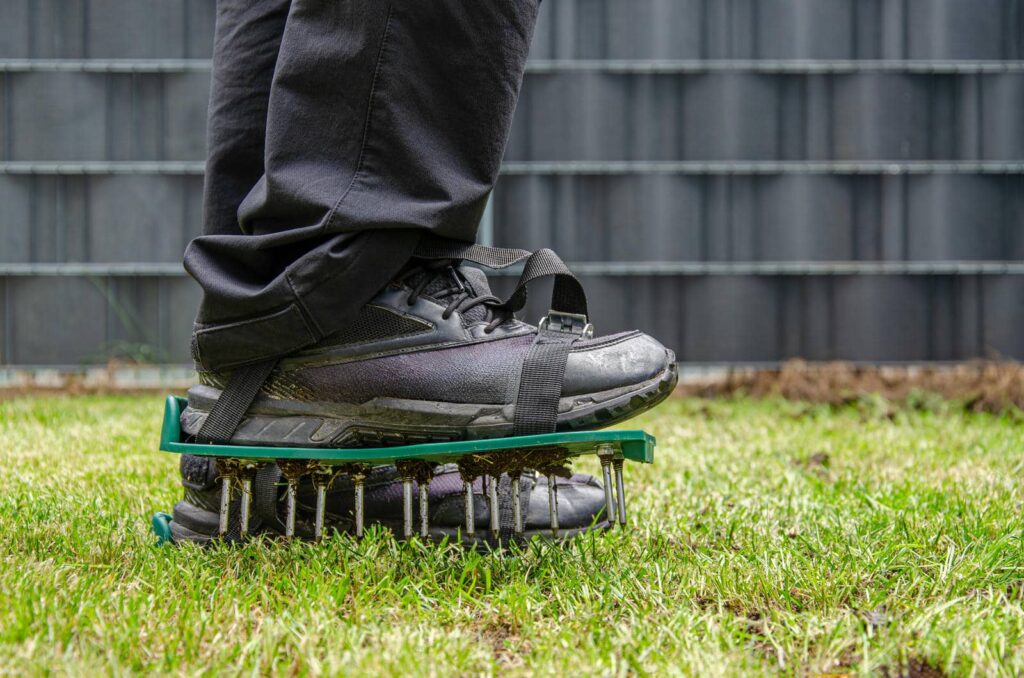
Spike aeration is another effective lawn care technique that differs from core aeration in its approach to alleviating soil compaction. Rather than removing soil plugs, spike aerators create holes by pushing spikes into the ground.
There are several spike aerator types, including manual and motorized versions, catering to various lawn sizes and compaction levels. While spike aeration effectiveness can vary based on soil type and moisture, it often provides immediate access for air, nutrients, and water.
However, it’s essential to recognize that this method may not be as effective for heavy clay soils compared to core aeration. Understanding these nuances ensures you can choose the best aeration technique for your lawn’s specific needs, fostering a healthier, more vibrant yard.
Best Times to Aerate Your Lawn
Choosing the right time to aerate your lawn is vital for maximizing its health and pest control effectiveness. The best seasonal practices typically recommend aerating in early spring or early fall, when grass is actively growing. This timing allows your lawn to recover quickly while benefiting from the increased airflow and nutrient absorption that aeration provides.
Optimal weather conditions also play an important role. Aim for days when the soil is moist but not overly wet; this ensures the aerator penetrates easily. Avoid extremely hot or dry days, as stressed grass won’t recover well.
If you live in cooler climates, aerate in late spring; for warmer areas, fall is ideal. By aligning your aeration schedule with these factors, you’ll foster a healthier lawn, reduce pest populations, and create a thriving outdoor space you can be proud of.
Preparing Your Lawn for Aeration
Before you begin the aeration process, it’s essential to prepare your lawn adequately to ensure the best results. Start with a thorough soil assessment to determine its compaction level and nutrient content. Look for areas that have heavy foot traffic or are prone to water pooling, as these may need extra attention.
Next, mow your lawn to a shorter height, ideally around two to three inches, which makes it easier for the aerator to penetrate the soil. Remove any debris like leaves, sticks, or stones that could obstruct the aeration process.
If your lawn has been recently fertilized, wait at least a week before aerating, allowing nutrients to settle into the soil.
Finally, verify the soil is moist but not overly saturated to facilitate effective aeration. Proper lawn preparation sets the stage for improved health and pest control.
Post-Aeration Care and Maintenance
After aeration, it’s vital to focus on proper care and maintenance to maximize your lawn’s health and pest control effectiveness.
You’ll want to implement a tailored fertilization plan, adjust your watering schedule, and actively monitor for pests to ensure your lawn thrives.
These steps will help restore and enhance your lawn’s resilience against unwanted pests.
Fertilization After Aeration
Once you’ve completed the aeration process, fertilization plays an essential role in revitalizing your lawn and maximizing the benefits of this treatment.
Choosing the right fertilizer types is vital; opt for a balanced formula that includes nitrogen, phosphorus, and potassium to promote healthy growth.
Timing is equally important—apply fertilizer shortly after aeration to ensure nutrients penetrate the soil effectively through the newly created holes. This allows your grass roots to absorb the nutrients more efficiently, enhancing recovery and resilience against pests.
Remember to follow the manufacturer’s guidelines on application rates, and consider using a slow-release fertilizer for sustained feeding.
Watering Schedule Adjustments
To ensure your lawn thrives after aeration, adjusting your watering schedule is essential for optimal recovery.
You’ll want to increase your watering frequency initially to promote moisture retention in the soil. This helps the roots absorb nutrients and encourages new growth.
- Feel the satisfaction of a lush, green lawn that welcomes you home.
- Enjoy the peace of mind that comes from knowing you’re doing your best for your yard.
- Experience the joy of watching your lawn flourish and become a gathering place for family and friends.
Aim for deep watering sessions, allowing the soil to dry slightly between watering to prevent over-saturation.
These adjustments will support your lawn’s recovery and set the stage for long-term health.
Pest Monitoring Strategies
While your lawn recovers from aeration, effective pest monitoring becomes essential to ensure its health and vigor.
Start by using pest identification techniques, such as visual inspections and traps, to detect any unwanted invaders. Regularly check for signs of damage or pest activity, focusing on areas where aeration has occurred.
Incorporate pest lifecycle analysis to understand when pests are most active. This knowledge will help you time your interventions more effectively.
Consider keeping a monitoring log to track your findings, which will enhance your ability to spot trends over time.
How Aeration Helps Control Lawn Pests
As your lawn breathes easier after aeration, it becomes less hospitable to common pests like grubs and beetles. Aeration enhances soil health by improving air circulation and nutrient absorption, disrupting pest life cycles.
By loosening compacted soil, you create a thriving environment for beneficial microbes while starving harmful pests.
- Experience the satisfaction of a lush, healthy lawn.
- Enjoy outdoor activities without the annoyance of pests.
- Take pride in nurturing a vibrant ecosystem right in your yard.
With less competition for resources, your grass can grow stronger and outcompete pests. Aeration also allows for better drainage, reducing standing water that often attracts breeding sites for pests.
Common Pests Affected by Aeration
Aeration greatly impacts several common lawn pests, particularly grubs, chinch bugs, and sod webworms. By creating holes in the soil, you enhance air circulation, water infiltration, and nutrient absorption, which promotes healthier grass. This healthy environment makes it less conducive for pests to thrive.
Here’s a quick overview of how aeration affects these pests:
| Pest | Impact of Aeration | Benefits for Your Lawn |
|---|---|---|
| Grubs | Improved soil drainage | Enhanced grub control |
| Chinch Bugs | Disrupted feeding areas | Reduced population |
| Sod Webworms | Stronger grass resilience | Increased lawn health |
Additionally, aeration can lead to mosquito reduction by eliminating standing water in compacted areas, consequently disrupting their breeding cycle. By understanding these connections, you’re better equipped to maintain a thriving lawn while keeping pests at bay.
Combining Aeration With Other Pest Control Methods
To maximize the benefits of aeration in pest control, it’s essential to combine this practice with other effective methods.
Embracing an integrated pest control approach allows you to create a resilient lawn ecosystem.
Here are some strategies you can incorporate:
Regular mowing: Keeps grass healthy and less inviting to pests.
Natural predators: Introduce beneficial insects, like ladybugs, to naturally manage pest populations.
Organic fertilizers: Nourish your lawn holistically, promoting strong roots and reducing susceptibility to pests.
Review
Incorporating lawn aeration into your pest control strategy can make a significant difference. Did you know that a well-aerated lawn can reduce mosquito populations? By improving soil health and creating a thriving ecosystem, you’re enhancing your lawn’s appearance and actively combating harmful pests. By investing a little effort in aeration, you’re fostering a healthier environment for your family and pets, while minimizing pest-related issues in your outdoor space.
Recent Posts
Top Lawn Care Tips for Grand Rapids Residents
Imagine stepping onto a vibrant, green lawn that feels lush underfoot, a demonstration of your
3 Best Lawn Care Tips for Grand Rapids Area
Did you know that proper lawn care can increase your home’s value? In the Grand
Why Consider Unique Landscaping for Cascade Homes?
Imagine stepping into a Cascade home adorned with vibrant native plants, creating a thriving ecosystem