
Contents
Controlling weeds in lawns requires a strategic approach tailored to your specific yard conditions. By understanding the different types of weeds and their lifecycles, you can implement effective removal and prevention methods. But what are the best practices to ensure your lawn remains healthy and vibrant? Let’s explore the key strategies to keep those weeds at bay.
Key Takeaways
- Identify common weeds and understand their lifecycles to tailor effective removal strategies.
- Maintain healthy soil through regular testing and amendments to support robust grass growth.
- Implement consistent mowing practices, keeping grass at optimal heights to suppress weed growth.
- Use mulch to block sunlight and prevent weed emergence while enhancing soil health.
- Apply pre-emergent herbicides at the right soil temperature for maximum effectiveness against weeds.
Understanding Common Lawn Weeds
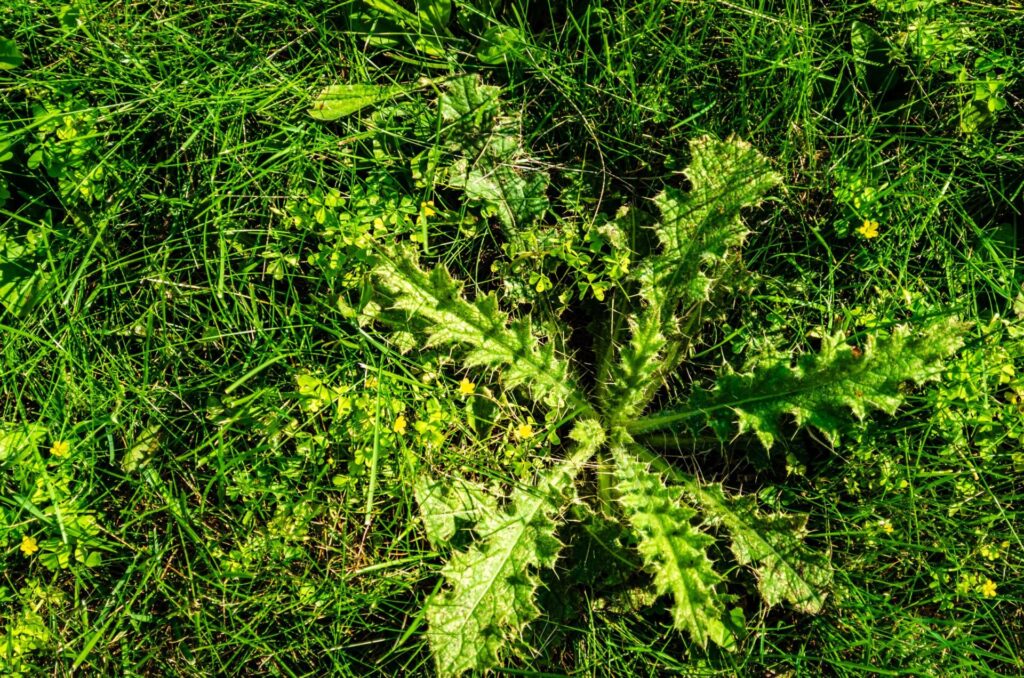
Understanding common lawn weeds is essential for effective weed control. To maintain a healthy lawn, start by identifying weed types in your yard. Different weeds, such as dandelions, crabgrass, and clover, require tailored approaches for removal. Each weed has its own unique characteristics, so knowing what you’re dealing with is vital.
Next, focus on understanding the weed lifecycle. Weeds can be annual, biennial, or perennial, and their lifecycles dictate the best time for control methods.
For instance, annual weeds germinate in spring and die off in fall, while perennials can persist for years. Recognizing these patterns allows you to apply targeted treatments at the right time, enhancing your control efforts.
Maintaining Healthy Soil
Effective weed control starts with healthy soil, as nutrient-rich ground supports robust grass growth, which can naturally suppress weed populations.
To maintain this ideal soil condition, focus on achieving a proper nutrient balance. Regularly test your soil to identify any deficiencies and adjust accordingly. Incorporating soil amendments, like compost or organic fertilizers, can enhance nutrient levels and improve soil structure.
Aerating your lawn also promotes healthy root development, allowing grass to access essential nutrients more effectively.
Additionally, consider mulching around your garden beds to retain moisture and suppress weeds. Remember, a well-balanced soil ecosystem supports grass and encourages beneficial microorganisms that contribute to overall health.
Implementing Regular Mowing Practices
To effectively manage weeds, you’ll need to implement regular mowing practices that focus on ideal mowing height and frequency.
Keeping your mower blades sharp is essential for making clean cuts that promote healthy grass while stunting weed growth.
Optimal Mowing Height
Maintaining the ideal mowing height is essential for promoting healthy grass growth and minimizing weed competition. Properly adjusted mowing equipment helps ensure that your grass thrives while keeping weeds at bay. Depending on the season, you may need to make seasonal adjustments to your mowing height.
| Grass Type | Ideal Mowing Height |
|---|---|
| Cool-season grasses | 2.5 – 4 inches |
| Warm-season grasses | 1.5 – 3 inches |
| Fescue | 3 – 4 inches |
| Bermuda | 1 – 2 inches |
Mowing Frequency Guidelines
While many homeowners underestimate the importance of mowing frequency, it plays a crucial role in weed control and overall lawn health.
Establishing consistent mowing schedules helps maintain a uniform lawn height, which prevents weeds from thriving. Aim to mow your lawn every 5 to 7 days during the growing season, adjusting frequency based on growth rate and weather conditions.
Seasonal adjustments are essential; during cooler months, you might stretch mowing intervals to every 10 to 14 days. Remember, never remove more than one-third of the grass height at once.
Sharp Mower Blades
Regularly sharpening your mower blades is essential for effective weed control and lawn health. Dull blades tear grass rather than cut it cleanly, leading to stress that allows weeds to thrive.
To maintain your mower, follow these mower maintenance tips: check blades every few uses and sharpen them at least once a season. Use blade sharpening techniques such as a file or a bench grinder for precision.
Keep the mower level during cutting, as an uneven height can encourage weed growth. By implementing these practices, you’ll enhance the appearance of your lawn and create an environment that discourages unwanted weeds.
A well-maintained mower is a key tool in your weed control arsenal.
Utilizing Mulch for Weed Suppression
Utilizing mulch for weed suppression can greatly enhance your garden’s health and appearance. By applying the right mulch types, you create a barrier that blocks sunlight, preventing weed growth.
Organic mulches, like wood chips or straw, suppress weeds and improve soil health as they decompose.
When considering mulch application, aim for a thickness of 2-4 inches, ensuring it’s spread evenly around your plants.
Make sure to keep the mulch a few inches away from plant stems to avoid rot.
Regularly check for any weed emergence, as some persistent species can still break through.
Renewing your mulch annually keeps it effective and maintains your garden’s aesthetic appeal.
Applying Pre-emergent Herbicides
When applying pre-emergent herbicides, timing is essential for maximum effectiveness.
You must choose the right product based on your specific weed problems and environmental conditions.
Finally, employing proper application techniques ensures even distribution and better results in your weed control efforts.
Timing for Application
To effectively control weed populations, you must time the application of pre-emergent herbicides correctly.
The best application timing generally coincides with soil temperatures reaching 50°F to 55°F, which signals the germination of many annual weeds. This timing ensures maximum seasonal herbicide effectiveness, preventing weeds from establishing.
Applying too early can lead to diminished effectiveness as the herbicide may break down before weeds germinate, while applying too late allows weeds to sprout and thrive.
Monitor local weather patterns and soil temperatures closely to determine the ideal window for application.
Choosing the Right Product
How do you choose the right pre-emergent herbicide for your lawn? Start by identifying the specific weeds you want to target, as some products are designed for selective treatments.
If you prefer an eco-friendly approach, consider organic herbicides that can effectively manage weed populations without harming beneficial plants. Always read product labels to verify compatibility with your lawn type and local regulations.
Look for options that provide long-lasting prevention, ideally applied in early spring or fall, depending on your climate. Additionally, evaluate the herbicide’s active ingredients for effectiveness and safety.
Proper Application Techniques
Applying pre-emergent herbicides effectively requires attention to detail and timing. To achieve the best results, you should consider various application methods and spray techniques. It is crucial to apply the herbicide before weed seeds germinate, usually in early spring or fall.
| Application Method | Best Time to Apply | Spray Technique |
|---|---|---|
| Granular | Early Spring | Even distribution |
| Liquid | Late Winter | Fine mist |
| Spot Treatment | As needed | Direct application |
Ensure the surface is dry and free of debris for better adherence. After application, water lightly to activate the herbicide, but avoid heavy rainfall for at least 24 hours. Following these practices can enhance your lawn’s health and weed resistance.
Choosing the Right Fertilization Schedule
When’s the best time to fertilize your crops for ideal weed control? Timing is essential.
Start with a soil nutrient analysis to understand your soil’s needs. This analysis helps you tailor your fertilization schedule, ensuring your lawn receives the right nutrients at the right times.
Early spring is typically the best time to apply a balanced fertilizer, giving your grass a strong start while suppressing weed growth.
As the season progresses, make seasonal fertilization adjustments based on your lawn’s response and local climate conditions.
For instance, consider a nitrogen-rich fertilizer in late spring, which can help thicken your lawn, leaving less room for weeds to thrive.
Hand-Pulling Weeds Effectively
Although it might seem tedious, hand-pulling weeds can be an effective strategy for maintaining a healthy garden or lawn. To start, you’ll need to master weed identification. Recognizing common weeds, like dandelions and crabgrass, will help you target the right culprits.
When you spot a weed, use proper hand-pulling techniques: grasp the base of the weed and pull it out slowly to ensure you remove the entire root. This prevents regrowth, which can be a frustrating setback.
Timing is essential, so pull weeds after a rain or watering session when the soil is moist; this makes it easier to extract roots. Consider wearing gloves for comfort, and don’t forget to dispose of the pulled weeds properly to avoid spreading seeds.
Encouraging Dense Grass Growth
A healthy lawn enhances the beauty of your outdoor space and helps suppress weed growth. To achieve this, focus on proper grass seed selection. Choose a seed that’s suited to your climate and soil type, ensuring it establishes quickly and thrives.
Next, prioritize soil aeration. Aerating your lawn allows air, water, and nutrients to penetrate the soil more effectively. This encourages deeper root growth, which leads to denser grass. You can aerate manually or with a machine, depending on the size of your lawn.
Once you’ve aerated, overseed with your chosen grass seed. This will fill in any thin spots and further promote a lush, thick lawn.
Considering Professional Lawn Care Services
If you’re struggling to maintain your lawn despite your best efforts, considering professional lawn care services might be the solution you need.
These services provide professional expertise that can tackle persistent weed problems effectively. Experts understand the specific needs of different grass types and can tailor their approaches accordingly, ensuring peak growth and weed control.
When evaluating these services, it’s crucial to weigh cost considerations. While hiring professionals may seem like a significant expense, think of it as an investment in your lawn’s health.
A well-maintained yard not only enhances curb appeal but can also increase property value.
Moreover, many companies offer customizable plans, allowing you to choose services that fit your budget.
By collaborating with professionals, you can achieve a lush, weed-free lawn without the stress of DIY methods.
Ultimately, it’s about creating a space where you and your family can thrive.
Review
So, despite all the time you spend nurturing your lawn, those pesky weeds seem to thrive, right? But don’t worry, with the strategies outlined, you can outsmart them. By understanding their habits and maintaining a healthy lawn, you’ll create an environment where grass flourishes and weeds struggle. It’s almost like you’re running a weed-proof club, and they’re not on the guest list. Embrace these methods, and watch your lawn transform into the envy of the neighborhood!
Recent Posts
Top Lawn Care Tips for Grand Rapids Residents
Imagine stepping onto a vibrant, green lawn that feels lush underfoot, a demonstration of your
3 Best Lawn Care Tips for Grand Rapids Area
Did you know that proper lawn care can increase your home’s value? In the Grand
Why Consider Unique Landscaping for Cascade Homes?
Imagine stepping into a Cascade home adorned with vibrant native plants, creating a thriving ecosystem