
Contents
To effectively manage your local garden’s lawn, it’s essential to understand the specific weed species that thrive in your area. Identifying these weeds enables you to tackle them promptly and minimize competition for resources. By integrating organic techniques and maintaining soil health, you can create a resilient ecosystem. But there’s more to take into account, including the timing of your interventions and the balance between organic and chemical solutions. Let’s explore these lawn care strategies in detail.
Key Takeaways
- Identify local weeds accurately to understand their growth patterns and apply appropriate management techniques for effective lawn health.
- Conduct regular soil tests to determine nutrient needs and amend soil to enhance structure and retain moisture.
- Implement organic weed management techniques, such as mulching and hand weeding, to minimize chemical use and promote a healthy lawn ecosystem.
- Maintain a consistent mowing schedule, adjusting the mower height based on grass type to encourage deep root growth and suppress weeds.
- Fertilize based on soil test results using slow-release fertilizers during active growth periods to support grass health and reduce weed competition.
Understanding Local Weed Species
How well do you know the weed species in your area? Understanding local weed identification is essential for maintaining a healthy lawn. You’ll encounter various species, some of which are native and others that are invasive.
Invasive weed species, like dandelions or crabgrass, can quickly take over your garden, competing with your desired plants for nutrients, water, and sunlight.
To effectively manage these weeds, start by familiarizing yourself with their characteristics. Notice the leaf shape, growth patterns, and flowering times. Use resources such as local agricultural extensions or online databases to confirm your findings.
Engaging with community gardening groups can also provide you with valuable insights and identification tips from fellow enthusiasts. By mastering local weed identification, you’ll enhance your lawn-care strategy and foster a sense of belonging within your gardening community.
Your knowledge empowers you to take action against these unwelcome invaders in your green space.
Best Times for Weed Control
When’s the right time to tackle weeds in your lawn? Timing is essential for the ideal application of weed control products.
Generally, early spring is perfect for pre-emergent herbicides, as they prevent weed seeds from germinating. Aim to apply these when soil temperatures reach about 55°F—this ensures maximum effectiveness.
In late spring and early summer, you should focus on post-emergent treatments for existing weeds. At this stage, the weeds are actively growing, making them more susceptible to herbicides.
In the fall, consider a second round of pre-emergent applications to target winter annuals and perennials before they take root.
Organic Weed Management Techniques
When it comes to organic weed management, you have several effective techniques at your disposal.
Exploring natural herbicide options can help you target unwanted plants without harsh chemicals, while mulching creates a barrier that suppresses weed growth.
Additionally, employing hand weeding techniques ensures you can remove stubborn weeds directly at the root, promoting a healthier lawn overall.
Natural Herbicide Options
While traditional herbicides can be effective, they often come with environmental and health risks that discourage many gardeners.
Fortunately, there are natural alternatives that can help you manage weeds without harmful chemicals. One popular homemade solution is a vinegar-based spray, which works effectively on young weeds due to its acetic acid content.
You can also mix salt with water to create a potent solution, but use it sparingly, as it can affect soil health. Corn gluten meal acts as a pre-emergent herbicide, preventing weed seeds from germinating.
Additionally, boiling water can kill weeds quickly when poured directly onto them. By exploring these natural herbicide options, you can cultivate a thriving garden while minimizing your ecological footprint.
Mulching for Weed Control
Mulching serves as an effective method for weed control, especially when you want to promote an organic approach to lawn care. By applying a layer of organic mulch, such as wood chips, straw, or grass clippings, you suppress weeds, enhance soil moisture retention, and improve soil health.
The mulch benefits are numerous; it regulates soil temperature, enriches the ground as it decomposes, and reduces the need for chemical herbicides. When selecting mulch types, consider your garden’s specific needs—shredded leaves for nutrient-rich gardens or cedar chips for areas prone to pests.
Ultimately, mulching fosters a thriving ecosystem, ensuring your garden stays vibrant and weed-free while you connect with nature in a sustainable way.
Hand Weeding Techniques
Hand weeding is an essential organic weed management technique that allows you to effectively control unwanted plants without resorting to chemicals.
One of the primary hand weeding benefits is the immediate removal of weeds, preventing them from competing with your desired plants for nutrients and water.
To get started, equip yourself with the right hand weeding tools, such as a weeding fork or a hand trowel, which help you uproot weeds along with their roots, reducing the chance of regrowth.
When you weed, aim to do so after rain or watering, as moist soil makes it easier to extract weeds.
Regular hand weeding fosters a healthier garden ecosystem, allowing you to take pride in cultivating a thriving, chemical-free space.
Chemical Herbicides: Pros and Cons
Chemical herbicides can be effective tools for maintaining a healthy lawn, especially when you’re dealing with persistent weeds that threaten to overtake your grass. Their effectiveness in targeting specific weeds can save you time and effort compared to manual methods.
However, you should consider the potential environmental impact. Many herbicides can leach into the soil and waterways, affecting local ecosystems and potentially harming beneficial insects.
It’s vital to choose products designed for your specific weed problems and follow application guidelines closely to minimize risks.
Always consider the timing and weather conditions; applying them during dry, calm days reduces drift and runoff.
Balancing chemical herbicide effectiveness with their environmental impact is essential for responsible lawn care. By making informed choices, you can maintain a beautiful lawn while being a conscientious gardener who cares about the health of your local environment.
Preventative Measures for Weed Growth
Managing weed growth effectively involves implementing preventative measures that can greatly reduce their emergence. Start by adopting cultural practices that promote a healthy lawn environment. This includes proper soil preparation, maintaining ideal pH levels, and ensuring adequate drainage to discourage weed seeds from germinating.
You should also consider competitive planting; choose grass varieties that are well-suited to your local climate and conditions. Dense, healthy turf will naturally outcompete weeds for nutrients, sunlight, and water, making it harder for them to establish themselves.
Regular mowing at the right height can further strengthen your lawn, as taller grass shades the soil, limiting weed growth. Additionally, applying mulch in garden beds can provide a barrier against weeds while retaining moisture.
Lawn Maintenance Practices to Reduce Weeds
To effectively reduce weeds in your lawn, you need to focus on proper mowing techniques, efficient watering practices, and soil health management.
Mowing at the right height encourages dense grass growth, which naturally suppresses weed emergence.
Additionally, understanding your watering schedule and enhancing soil health will create an environment less favorable for weeds to thrive.
Proper Mowing Techniques
A well-executed mowing strategy is essential for maintaining a healthy lawn and minimizing weed growth. To achieve this, you should focus on your lawn height. Ideally, keep your grass at about 3 to 4 inches, as this height promotes deep root growth while shading out weed seeds.
Adjust your mowing frequency to match the growth rate of your grass, typically mowing every 1 to 2 weeks during the growing season. Avoid cutting more than one-third of the grass height at a time, which can stress the plants and encourage weeds.
Additionally, ensure your mower blades are sharp to make clean cuts and prevent potential disease. By following these techniques, you’ll cultivate a thriving, weed-resistant lawn that fosters community pride.
Effective Watering Practices
Proper mowing techniques set the foundation for a healthy lawn, but effective watering practices are equally important in the battle against weeds.
To maintain a lush garden, consider implementing drip irrigation systems. This method delivers water directly to the root zone, minimizing evaporation and promoting moisture retention.
Watering early in the morning reduces the chances of fungal diseases and allows grass to absorb moisture before the heat of the day. Aim for deep, infrequent watering to encourage deep root growth, which helps your lawn withstand drought and suppress weeds.
Soil Health Management
While many focus on watering and mowing techniques, soil health management plays a critical role in reducing weed populations and cultivating a vibrant lawn.
By prioritizing soil testing, you can better understand your lawn’s specific needs and create a nutrient balance that fosters grass growth while suppressing weeds.
Here are key practices to reflect on:
- Conduct regular soil tests to identify nutrient deficiencies and pH levels.
- Amend soil with organic matter to improve structure and enhance nutrient retention.
- Implement crop rotation and diverse planting to disrupt weed life cycles.
Frequently Asked Questions
How Often Should I Mow My Lawn to Prevent Weeds?
You should mow your lawn every 1 to 2 weeks during the growing season. Consistent mowing frequency helps maintain grass height, promotes healthy growth, and greatly aids in weed prevention, keeping your lawn lush and vibrant.
What Type of Grass Is Best for My Local Climate?
For your local climate, choose cool-season grasses like Kentucky bluegrass or fescue in cooler areas, while warm-season grasses such as Bermuda or Zoysia thrive in hotter regions. Select based on your specific climate conditions.
How Can I Improve My Soil Quality for Better Lawn Health?
To improve your soil quality, incorporate soil amendments like compost and well-rotted manure. These organic matter additions enhance nutrient availability, promote beneficial microbial activity, and improve soil structure, creating a healthier environment for your lawn to thrive.
Are There Specific Fertilizers That Help Reduce Weed Growth?
Think of your lawn as a canvas; using organic fertilizers enriches the soil, while pre-emergent herbicides act like a protective shield, preventing weeds from sprouting. Together, they nurture a thriving, vibrant green masterpiece.
What Tools Are Essential for Effective Lawn Care Maintenance?
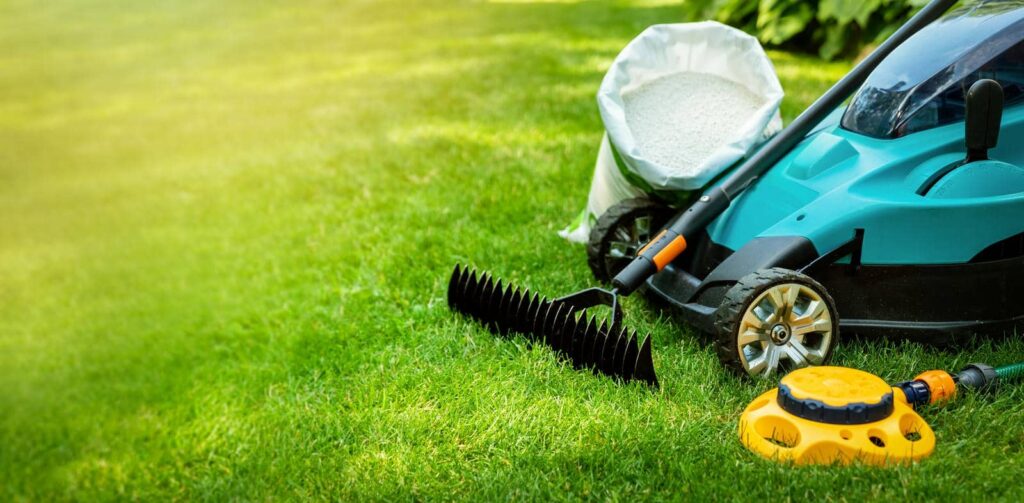
You’ll need essential lawn tools like a quality mower, trimmer, and rake, along with maintenance equipment such as a spreader and aerator. These items ensure your lawn remains healthy and vibrant throughout the seasons.
Wrap-Up
Caring for your lawn isn’t just about aesthetics; it’s about nurturing a thriving ecosystem that reflects your dedication. By understanding local weeds and judiciously employing both organic and chemical strategies, you create a space that’s beautiful yet resilient. Remember, every blade of grass you cultivate contributes to the vibrant tapestry of your garden. So, roll up your sleeves, embrace the process, and watch your outdoor sanctuary flourish as a symbol of your efforts.
Recent Posts
Top Lawn Care Tips for Grand Rapids Residents
Imagine stepping onto a vibrant, green lawn that feels lush underfoot, a demonstration of your
3 Best Lawn Care Tips for Grand Rapids Area
Did you know that proper lawn care can increase your home’s value? In the Grand
Why Consider Unique Landscaping for Cascade Homes?
Imagine stepping into a Cascade home adorned with vibrant native plants, creating a thriving ecosystem