
Contents
Spring offers a prime opportunity to enhance your lawn organically. By focusing on soil health, water management, and natural fertilizers, you can create a vibrant, sustainable lawn. Maintaining the right grass height and aerating the soil are essential for root development. Additionally, addressing weeds early ensures a thriving ecosystem. Understanding these principles will set the foundation for a healthier lawn this season. Are you ready to transform your outdoor space?
Key Takeaways
- Enrich your soil with compost to boost microbial activity and nutrient availability for healthy spring growth.
- Aerate your lawn to improve air circulation and nutrient penetration as temperatures rise.
- Maintain grass height at three inches to promote deeper root growth and resilience.
- Implement a regular watering schedule based on seasonal weather to optimize moisture levels.
- Monitor for early signs of weeds and pests to address issues before they escalate.
Essential Organic Lawn Care Tips
When you choose organic lawn care, you’re not just promoting a lush green lawn; you’re also fostering a healthier ecosystem.
To start, enrich your soil with compost. The compost benefits are immense; it improves soil health by enhancing microbial activity and nutrient availability. This leads to stronger grass roots and better drought resistance.
Next, consider natural fertilizers like bone meal or fish emulsion. These organic options release nutrients slowly, providing consistent nourishment.
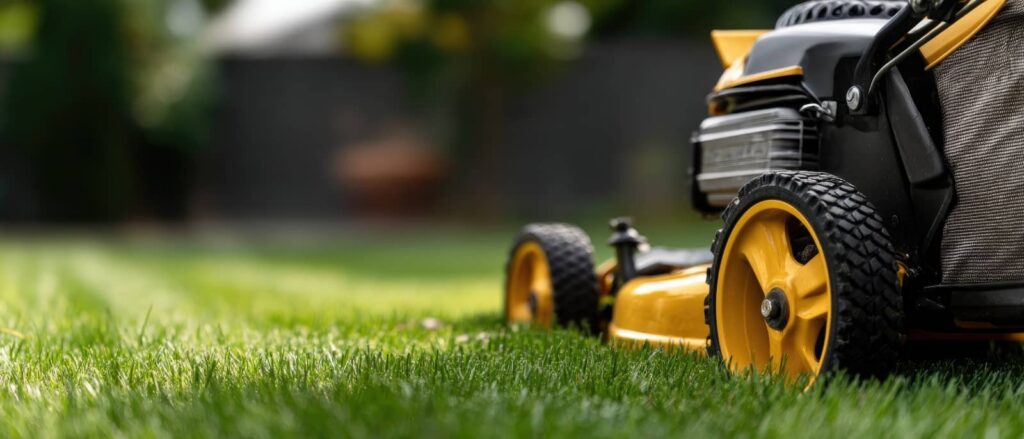
Don’t forget about proper mowing techniques; keeping your grass at a height of three inches encourages deeper root growth and reduces weed competition.
Finally, practice crop rotation if you have garden beds, as this helps maintain soil health and nutrient balance. Your lawn can thrive while supporting the environment.
Why Spring Is the Best Time for Lawn Care
As temperatures begin to rise and daylight stretches, spring presents the ideal opportunity for lawn care enthusiasts to rejuvenate their outdoor spaces.
This season is vital for initiating spring growth, allowing your lawn to thrive after winter dormancy. During this time, the soil warms up, enabling essential nutrients to become available for grass roots.
Here are some key reasons why spring is perfect for lawn care:
- The increased sunlight boosts photosynthesis.
- Soil moisture levels are typically higher.
- Grass actively absorbs nutrients for recovery.
- Weeds are less aggressive early in the season.
- Spring care sets the foundation for a lush summer lawn.
Taking advantage of spring’s conditions will ensure successful lawn rejuvenation, creating a vibrant and inviting landscape for you and your community.
Choosing the Right Organic Fertilizers
Look for products that offer balanced nutrient release, like those derived from plant-based materials or animal byproducts. Compost tea is an excellent option; it’s rich in beneficial microbes and nutrients, promoting healthy soil biology.
When applying fertilizers, consider the timing—early spring is ideal for a slow-release formula, ensuring your grass gets a steady supply of nutrients as it grows.
Always test your soil beforehand to understand its specific needs, guiding you in selecting the right blend.
Easy Ways to Control Weeds Naturally
Controlling weeds naturally is essential for maintaining a healthy lawn without harmful chemicals.
You can effectively manage weed growth through methods like mulching, which suppresses weed seeds, and hand-pulling, which removes them at the root.
Exploring natural herbicide options also provides safe alternatives to keep your lawn pristine.
Mulching For Weed Control
Mulching can be one of the most effective strategies for controlling weeds in your lawn naturally. By applying the right mulch materials and using proper mulching techniques, you can create a barrier that suppresses weed growth while enriching your soil.
Here are some tips to get you started:
- Choose organic mulch: Wood chips, straw, or shredded leaves are ideal.
- Apply a thick layer: Aim for 2-4 inches to effectively block sunlight.
- Keep mulch away from plant bases: Prevent rot by leaving space around stems.
- Replenish regularly: Organic mulches decompose, so refresh them at least once a season.
- Use a landscape fabric: For added weed suppression under your mulch.
With these strategies, you’ll cultivate a healthier, weed-free lawn.
Hand-Pulling Techniques Explained
When it comes to maintaining a healthy lawn, hand-pulling weeds can be one of the most effective and immediate methods for natural control.
To maximize your success, focus on timing strategies; early mornings or after rainfall are ideal since the soil is softer, making it easier to remove roots.
Employ proper hand-pulling techniques by grasping the weed at its base, ensuring you pull straight out to minimize root breakage. For stubborn weeds, use a weeding tool to assist with deeper roots.
Regularly inspect your lawn to catch weeds before they flower and spread seeds.
Natural Herbicide Options Available
Several natural herbicide options can help you manage weeds effectively while maintaining an eco-friendly approach to lawn care.
Here are some effective methods to contemplate:
Vinegar solutions: Acetic acid in vinegar can kill weeds on contact—use it on sunny days for best results.
Corn gluten: This natural pre-emergent herbicide prevents weed seeds from germinating, making it ideal for early spring application.
Boiling water: Pouring boiling water directly on weeds can scald them, providing immediate results.
Salt: A salt solution can effectively dehydrate weeds; just be cautious, as it can affect surrounding plants.
Soap: Adding dish soap to vinegar enhances its sticking power, improving its effectiveness.
These options keep your lawn healthy and contribute to a sustainable ecosystem.
Aerate Your Lawn for Healthier Soil
Aerating your lawn is essential for promoting healthier soil, as it allows air, water, and nutrients to penetrate deep into the root zone.
Soil compaction can hinder root growth, limiting access to crucial resources. By aerating, you break up compacted layers, enhancing microbial activity vital for nutrient breakdown and availability.
This process creates channels for air and moisture, fostering a thriving environment for grass roots. It’s best to aerate during the growing season when your grass can quickly recover and benefit from improved soil structure.
Use a core aerator to remove small plugs of soil, ensuring your lawn can breathe and absorb nutrients more effectively.
A well-aerated lawn not only looks good but supports a robust ecosystem beneath the surface.
The Benefits of Mulching in Spring
After aerating your lawn, mulching in spring can greatly enhance your lawn’s health and appearance. The benefits of mulching are numerous and can help you maintain a thriving outdoor space.
By applying organic mulch, you not only improve aesthetics but also support soil health. Here are some key advantages:
- Moisture retention: Reduces the need for frequent watering.
- Weed suppression: Minimizes competition for nutrients.
- Soil temperature regulation: Helps maintain ideal conditions.
- Nutrient enrichment: Decomposing mulch adds organic matter.
- Erosion control: Protects soil from wind and water damage.
Using effective mulching techniques, like layering and selecting the right material, can maximize these benefits, ensuring your lawn flourishes throughout the season.
Best Practices for Overseeding Your Lawn
While many homeowners focus on regular lawn maintenance, overseeding is an essential practice that can rejuvenate your grass and improve its resilience.
Start by choosing the best seed selection tailored to your region and grass type. Native seeds often thrive best, offering natural disease resistance and adaptability.
When it comes to overseeding techniques, prepare your lawn by mowing it short and aerating the soil to enhance seed-to-soil contact.
Spread the seeds evenly, ideally in the early spring or fall when temperatures are conducive to germination.
Water the area lightly but frequently to keep the soil moist.
Top Natural Pest Control Methods for Lawns
A healthy lawn can attract pests, but understanding natural pest control methods helps you maintain your green space without harmful chemicals.
Here are some effective strategies to keep your lawn thriving:
Natural Repellents: Use garlic or cayenne pepper sprays to deter unwanted insects.
Beneficial Insects: Introduce ladybugs and lacewings to naturally control pest populations.
Companion Planting: Plant marigolds or nasturtiums alongside grass to repel pests.
Neem Oil: This organic spray disrupts the life cycle of common pests, making it a powerful deterrent.
Homemade Traps: Use soapy water or vinegar traps to catch and eliminate pests.
With these methods, you can nurture a vibrant lawn while fostering a balanced ecosystem.
Identifying and Treating Common Lawn Diseases
Understanding lawn diseases is essential for maintaining a lush, green yard, as they can quickly spread and damage your grass if left untreated.
Start with disease identification: look for signs like discoloration, wilting, or unusual patches. Common culprits include fungal infections like brown patch and powdery mildew.
Once you spot a problem, consider your treatment options. Organic fungicides, such as neem oil, can effectively combat these issues without harming beneficial microorganisms.
Additionally, ensure proper watering and aeration to promote healthy grass resilience. Regularly inspecting your lawn helps with early detection and fosters a deeper connection to your outdoor space.
Creating an Organic Lawn Care Routine for Sustainability
To create a sustainable organic lawn care routine, start by evaluating your lawn’s specific needs and local ecosystem. Understanding your soil health is essential; it influences nutrient availability and water retention.
Incorporate seasonal maintenance practices to promote a thriving landscape. Here’s how you can establish your routine:
- Test your soil annually to gauge pH and nutrient levels.
- Select native plants and grasses that require less water and are pest-resistant.
- Apply organic fertilizers, like compost, to enhance soil health.
- Implement a mulching strategy to conserve moisture and suppress weeds.
- Schedule regular aeration to improve air circulation and root development.
Frequently Asked Questions
How Can I Tell if My Soil Needs Organic Amendments?
You can tell your soil needs organic amendments by conducting soil testing. If results show nutrient deficiencies, like low nitrogen or phosphorus, it’s time to enrich your soil with organic matter to enhance its health and productivity.
What Organic Methods Help Improve Lawn Drainage?
To improve lawn drainage, use aeration techniques to relieve compaction and apply compost to enhance soil structure. These methods boost water absorption and encourage healthy microbial activity, enriching your lawn’s ecosystem.
When Is the Best Time to Water My Lawn in Spring?
You should water your lawn early in the morning for ideal watering. Establish a spring schedule that allows for deeper soaking, encouraging healthy root growth and minimizing evaporation. This approach fosters a thriving, resilient lawn.
Can I Use Kitchen Scraps for Lawn Care?
Yes, you can use kitchen scraps for lawn care by composting them. This nutrient recycling enriches your soil, promoting healthy grass growth. Just remember to balance greens and browns for ideal composting results.
How Do I Know if My Grass Type Is Suitable for Organic Care?
To determine if your grass type is suitable for organic care, examine its characteristics. Cool-season grasses generally have better organic compatibility, while warm-season varieties may require specific organic practices. Research your grass type for tailored guidance.
Recap
By embracing these organic lawn care tips this spring, you’re not just nurturing your grass; you’re fostering a thriving ecosystem. Imagine stepping onto a lush, green lawn, knowing you’ve cultivated it sustainably. With the right practices, like aeration and natural pest control, you can create a vibrant habitat for beneficial organisms. Isn’t it rewarding to see your efforts result in a healthier yard? Start today, and watch your lawn transform into a natural paradise.
Recent Posts
Spring Organic Lawn Care Tips for a Healthy Yard
If you’ve noticed patchy areas in your lawn after winter, it’s time to think about
Boost Your Lawn: Soil Enrichment Strategies
Your lawn can either thrive or struggle, depending on the health of its soil. Evaluating
7 Best Soil Enrichment Techniques for Thriving Grass
Many lawn problems stem from poor soil health. To ensure your grass thrives, understanding soil