
Contents
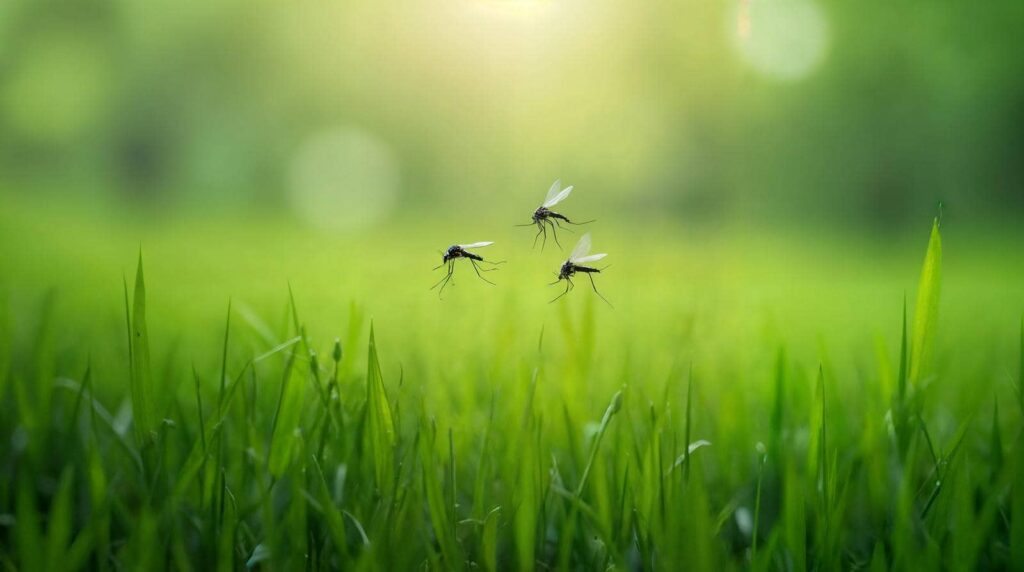
You might think controlling mosquitoes in your lawn is a formidable task, but it doesn’t have to be. Implementing effective strategies can greatly reduce their presence. From regular lawn maintenance to utilizing natural repellents, each method plays an essential role. Understanding the behavior of these pests and integrating various solutions is key. Curious about the most effective approaches? Let’s explore the top mosquito control solutions for lawns.
Key Takeaways
- Regular lawn maintenance, including mowing and aerating, reduces mosquito breeding habitats by keeping grass short and improving drainage.
- Utilize natural repellents like essential oils and plant-based solutions such as citronella and lavender to deter mosquitoes.
- Implement biological control methods by attracting natural predators like bats and birds through habitat enhancements, such as birdhouses.
- Apply bacterial insecticides strategically in peak mosquito activity times to target larvae without harming beneficial insects.
- Engage in community clean-up efforts to eliminate standing water and promote awareness of preventive measures against mosquito-borne diseases.
Understanding Mosquito Behavior
How do mosquitoes choose their targets? Mosquitoes primarily rely on various sensory cues to identify potential hosts. They’re attracted to carbon dioxide, body heat, and specific body odors, which signal the presence of a warm-blooded creature nearby.
When it comes to mosquito mating and breeding, environmental factors also play a significant role. The presence of stagnant water, where females lay their eggs, is essential for their reproductive cycle.
Interestingly, different species exhibit distinct preferences in breeding sites and host selection. For instance, Aedes mosquitoes are more prone to bite during the day, while Culex species prefer dusk or dawn.
Understanding these behaviors helps in comprehending how mosquitoes thrive and in developing effective control measures. By recognizing their patterns, you can take proactive steps to minimize their presence in your environment, making your space a more enjoyable place to gather and relax.
Importance of Lawn Maintenance
Maintaining your lawn is an essential strategy in controlling mosquito populations. A well-kept lawn enhances your home’s aesthetics and plays a significant role in pest prevention.
Regular mowing, edging, and aerating create an environment less hospitable to mosquitoes. By keeping grass short and reducing dense foliage, you limit their breeding grounds, as mosquitoes thrive in shady, overgrown areas.
Additionally, proper irrigation practices help prevent standing water, a primary mosquito breeding site. Make sure your lawn drains well and isn’t overwatered.
Incorporating natural barriers, like mulch or specific plants, can further deter these pests while enhancing your lawn’s visual appeal.
Natural Repellents for Lawns
Natural repellents can effectively reduce mosquito populations in your lawn.
You can use essential oils, explore plant-based solutions, and even create DIY repellent recipes tailored to your needs.
These methods protect your outdoor space and offer eco-friendly alternatives to chemical treatments.
Essential Oils for Repellency
While many people turn to chemical pesticides for mosquito control, essential oils offer a compelling alternative for those seeking natural repellents for lawns.
Essential oil blends, particularly those featuring citrus scents like lemon, lime, and orange, can effectively deter mosquitoes. These oils work by masking the scents that attract these pests, creating an inhospitable environment for them.
You can create your own repellent by mixing essential oils with a carrier oil or water in a spray bottle. Regular application enhances effectiveness, especially after rainfall.
These natural solutions contribute to a healthier ecosystem while also providing a pleasant aroma, making your outdoor space more enjoyable.
Embrace essential oils for a safer, eco-friendly approach to mosquito control.
Plant-Based Natural Solutions
In addition to essential oils, various plant-based solutions can enhance your lawn’s defenses against mosquitoes.
Consider incorporating herbal deterrents like citronella, lavender, and marigolds. These plants beautify your landscape and release natural compounds that repel mosquitoes effectively.
By integrating these eco-friendly options into your garden, you create a more enjoyable outdoor space for family and friends, while minimizing chemical exposure.
Additionally, maintaining a diverse range of plants can disrupt mosquito breeding habitats, making your lawn less attractive to these pests.
Regularly pruning and watering these plants ensures their effectiveness and vigor.
Embracing these natural solutions fosters a healthier environment and strengthens your community’s commitment to sustainable practices in mosquito control.
DIY Repellent Recipes
Crafting your own mosquito repellent can be a simple yet effective way to protect your lawn and outdoor spaces. Homemade sprays made from natural ingredients can deter these pests without harsh chemicals. Here are a few easy herbal remedies you can try:
| Ingredient | Ratio | Usage |
|---|---|---|
| Witch Hazel | 1 cup | Base for sprays |
| Essential Oils | 10-20 drops | Add for scent |
| Water | 1 cup | Dilute for application |
Combine witch hazel and water, then add your choice of essential oils like citronella or eucalyptus. Shake well and spray around your outdoor areas. These DIY solutions help keep mosquitoes at bay and ensure a healthier environment for everyone.
Chemical Treatments and Pesticides
Chemical treatments and pesticides are among the most effective methods for controlling mosquito populations in your lawn. When using these solutions, it’s essential to prioritize chemical safety. Always read labels carefully and follow application guidelines to minimize risks to you, your pets, and beneficial insects.
Several pesticide alternatives exist, including those derived from natural sources like essential oils or plant extracts. These can be effective, but they often require more frequent applications than synthetic options.
For best results, consider integrating chemical treatments with other mosquito control methods. This multifaceted approach enhances efficacy and promotes a healthier lawn ecosystem.
Before choosing your pesticide, research the specific products available in your area, as regulations and effectiveness can vary.
Installing Mosquito Traps
To complement chemical treatments, installing mosquito traps can greatly reduce the mosquito population in your lawn.
Proper trap placement is vital; position traps in shaded areas, near standing water, or where you notice significant mosquito activity. This maximizes their effectiveness by attracting more pests.
Regular trap maintenance is important for peak performance.
Check traps weekly to verify they’re clean and functional. Replace attractants and empty collection containers as needed to maintain their efficiency.
Seasonal adjustments may also be necessary, as mosquito activity can vary throughout the year.
Utilizing Biological Control Methods
To effectively control mosquito populations, you can utilize natural predators and bacterial insecticides.
Introducing organisms like fish or certain insects can help reduce larval numbers in water sources.
Additionally, applying specific bacterial insecticides targets mosquito larvae without harming beneficial species in your lawn.
Natural Predators Utilization
Natural predators play an essential role in controlling mosquito populations in your lawn. By encouraging these natural enemies, you can create a balanced ecosystem that reduces the need for chemical treatments.
Birds, for instance, are effective mosquito hunters, so installing bird houses can attract them to your yard. Similarly, bats consume vast quantities of insects, including mosquitoes. Erecting bat boxes can provide a perfect habitat for these beneficial mammals.
Additionally, dragonflies and certain fish species, like guppies, feed on mosquito larvae in standing water. By fostering these natural predators, you enhance your lawn’s biodiversity and contribute to effective mosquito control, creating a healthier outdoor environment for your family and friends.
Bacterial Insecticides Application
While many homeowners seek immediate solutions for mosquito control, bacterial insecticides offer a powerful and environmentally friendly alternative.
These products utilize specific bacterial formulations that target mosquito larvae, effectively reducing their populations without harming beneficial insects.
Consider the following application techniques for ideal results:
Granular application: Spread the bacterial formulation evenly across your lawn and water it in to activate the bacteria.
Liquid spray: Mix the product with water and apply it using a backpack sprayer or hose-end sprayer, ensuring thorough coverage of mosquito breeding areas.
Timed applications: Apply during peak mosquito activity, typically in the early morning or late evening, to maximize effectiveness.
Landscaping Strategies to Deter Mosquitoes
Creating a mosquito-resistant landscape involves strategic planning and plant selection that minimizes standing water and provides suitable habitats for natural predators. By employing effective landscaping design, you can deter mosquitoes and enhance your outdoor space.
| Plant Type | Mosquito Repellent Properties | Additional Benefits |
|---|---|---|
| Citronella Grass | Naturally repels mosquitoes | Aesthetic ground cover |
| Lavender | Fragrant, deters insects | Attracts pollinators |
| Marigolds | Emits compounds that repel | Brighten your garden |
Incorporate these plants into your landscape to reduce mosquito populations. Avoid overwatering and ensure proper drainage to prevent standing water. By creating a welcoming environment for natural predators, like bats and birds, you further enhance your defense against mosquitoes. With these strategies, you’ll create a beautiful lawn that also fosters community enjoyment while keeping pests at bay.
Regular Lawn Care Practices
Proper lawn care practices play an essential role in minimizing mosquito breeding grounds and maintaining a healthy outdoor environment.
By focusing on specific techniques, you can enhance your lawn’s overall health while reducing mosquito populations.
Regular mowing: Keeping grass at a manageable height prevents mosquitoes from finding shelter.
Lawn aeration benefits: Aerating your lawn improves soil health by allowing water and nutrients to penetrate deeper, promoting robust grass growth that’s less favorable for mosquitoes.
Proper drainage: Ensuring that your lawn has adequate drainage reduces standing water, which is vital since mosquitoes breed in stagnant water.
Implementing these practices fosters a lush lawn and creates an inviting space for family and friends.
Community Efforts in Mosquito Control
Community efforts in mosquito control markedly enhance individual and collective well-being by implementing strategies that target mosquito populations effectively. When you participate in local initiatives, you contribute to a healthier environment and foster community awareness about the risks associated with mosquito-borne diseases.
Collaborating with your neighbors to organize clean-up events or maintain public spaces helps eliminate standing water, a primary breeding ground for mosquitoes. Additionally, educational workshops can empower residents with knowledge on preventive measures and safe pesticide usage.
These initiatives promote a sense of belonging, as everyone works together towards a common goal. By engaging in community efforts, you can share resources, strategies, and support, making mosquito control a shared responsibility rather than an individual task.
Ultimately, your involvement in these initiatives strengthens community bonds while effectively reducing mosquito populations, leading to a more enjoyable outdoor experience for all.
Summary
By implementing these top mosquito control solutions, you can reclaim your lawn from these pesky intruders, transforming it into a serene oasis reminiscent of a peaceful summer’s eve. Regular maintenance, natural repellents, and effective traps are your allies in this battle. Just as knights defended their castles, you too can protect your outdoor space. With diligence and care, you’ll cultivate an inviting environment, ensuring that your family can enjoy the beauty of nature without the annoyance of mosquitoes.
Recent Posts
10 Best Organic Lawn Care Tips for Spring
Spring offers a prime opportunity to enhance your lawn organically. By focusing on soil health,
Spring Organic Lawn Care Tips for a Healthy Yard
If you’ve noticed patchy areas in your lawn after winter, it’s time to think about
Boost Your Lawn: Soil Enrichment Strategies
Your lawn can either thrive or struggle, depending on the health of its soil. Evaluating