
Contents
Aerating your lawn might seem like a chore, but it’s fundamental for a healthy, thriving yard. By following a few simple DIY tips, you can enhance your lawn’s appearance and liveliness without hiring a professional. From selecting the right tools to understanding the best timing, each step plays a significant role in the aeration process. Ready to transform your lawn? Let’s explore the key strategies that will make aeration both effective and manageable.
Key Takeaways
- Choose a core aerator for effective soil penetration, removing plugs to enhance air and nutrient access for your lawn.
- Aerate during moist soil conditions, ideally in early spring or fall, for optimal results and reduced grass stress.
- Mow your lawn to about two inches prior to aeration to facilitate easier penetration and improve aerator effectiveness.
- Water your lawn after aeration, increasing frequency to maintain moisture and support new grass growth or overseeding efforts.
- Follow up with fertilization within 48 hours using slow-release fertilizers to boost nutrient availability for recovery.
Understanding Lawn Aeration and Its Benefits
When you think about lawn care, aeration mightn’t be the first thing that comes to mind, but it plays an essential role in maintaining a healthy, vibrant yard.
Aeration involves perforating the soil with holes to allow air, water, and nutrients to penetrate deep into the root zone. This process enhances lawn health benefits by promoting root growth, reducing soil compaction, and improving water drainage.
To reap these benefits, you should consider aeration frequency. For cool-season grasses, aerating once a year is usually sufficient, typically in the fall.
Warm-season grasses may benefit from aeration twice a year, once in spring and once in late summer. By understanding aeration’s importance and timing, you’ll foster a thriving lawn that not only looks good but also feels like a welcoming part of your home.
Embrace this practice, and enjoy the sense of belonging that comes with a well-maintained yard.
Choosing the Right Time for Aeration
Timing your lawn aeration is key to maximizing its effectiveness. You’ll want to take into account seasonal considerations and weather impacts to guarantee your grass thrives. Generally, early spring or fall are the best times for aeration, as the temperatures are moderate, promoting recovery.
Here’s a quick guide to help you decide:
| Season | Best Time for Aeration |
|---|---|
| Spring | Late March to May |
| Fall | August to October |
| Weather | After a rain or moist |
Aerating during these periods allows your lawn to absorb nutrients and water more effectively. Avoid aerating during extreme heat or drought conditions, as it can stress your grass. By paying attention to these factors, you’ll create a thriving lawn that not only looks great but also strengthens your connection to your outdoor space.
Selecting the Best Tools for DIY Aeration
When it comes to aerating your lawn, choosing the right tools is vital for achieving effective results.
You’ll need to take into account both manual and power options, each offering unique benefits depending on your lawn size and your physical capabilities.
Let’s explore the essential aeration tools that can help you make the best decision for your DIY project.
Essential Aeration Tools
Although lawn aeration is an essential step for maintaining a healthy yard, choosing the right tools can make all the difference in achieving effective results.
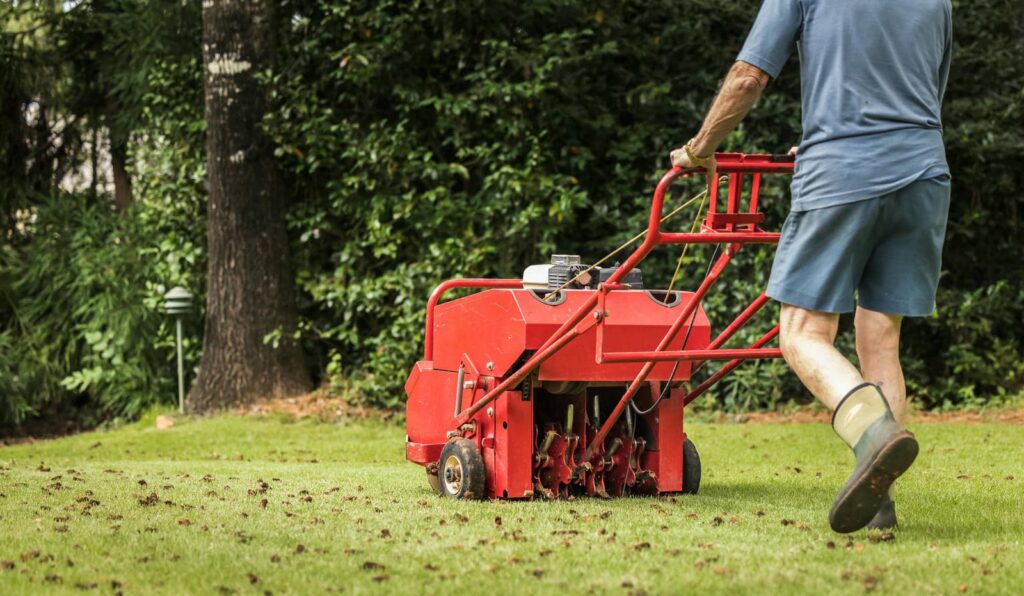
You’ll want to invest in quality aeration equipment like spike or core aerators, depending on your lawn’s needs. Core aerators remove soil plugs, allowing for better air and nutrient penetration, while spike aerators simply poke holes.
Don’t forget to prioritize tool maintenance clean your equipment after use and check for wear and tear regularly. This not only extends the life of your tools but guarantees peak performance each time you aerate.
With the right tools and a little care, you’ll be well on your way to a thriving lawn that you can be proud of.
Manual vs. Power Options
Choosing between manual and power options for lawn aeration can greatly impact your results and overall experience. Manual aerators are perfect for smaller lawns and give you more control, while power aerators save you time and effort on larger spaces.
Here’s a quick comparison to help you decide:
| Feature | Manual Aerators | Power Aerators |
|---|---|---|
| Labor Intensity | High | Low |
| Lawn Size Suitability | Best for small lawns | Ideal for large lawns |
| Cost | Generally cheaper | Higher initial investment |
Consider your lawn size, budget, and desired effort level. Whichever you choose, effective aeration promotes a healthy, thriving yard.
Preparing Your Lawn for Aeration
How can you guarantee your lawn is ready for aeration? Start by employing effective lawn preparation techniques. First, mow your grass to about two inches, which helps the aerator penetrate more easily.
Next, remove any debris like leaves or branches that could obstruct the process.
Consider utilizing soil testing methods to assess the health of your soil. This step helps identify pH levels and nutrient deficiencies, guiding your choice of amendments. If the soil’s compacted, aeration will be even more beneficial, promoting better water and nutrient absorption.
Timing is essential, so aim for aerating during the growing season typically spring or fall when your grass is most resilient.
With these steps, you’re not just preparing your lawn; you’re investing in its health and well-being, ensuring it’s primed for the aeration process. Your lawn will thank you with lush, vibrant growth!
Different Aeration Techniques Explained
When it comes to lawn aeration, understanding the different techniques available is essential for achieving ideal results.
Core aeration is often the go-to method, as it removes plugs of soil, alleviating lawn compaction and allowing air, water, and nutrients to penetrate deeper.
If you’re looking for a simpler approach, spike aeration uses a tool with spikes to create holes in the soil, but it may not relieve compaction as effectively.
For a less labor-intensive option, consider liquid aeration, which involves applying a specialized solution that breaks down compacted soil at a microscopic level.
Your aeration frequency depends on your lawn’s condition; typically, you should aerate once or twice a year.
Each technique has its advantages, so choose the one that best fits your lawn’s needs and your maintenance routine.
Embrace the process, and soon you’ll see your lawn thriving!
Post-Aeration Care for Your Lawn
After aerating your lawn, you’ll need to adjust your watering schedule to keep the soil moist and promote recovery.
Timing your fertilization is vital for maximizing nutrient uptake, and overseeding will help fill in any bare patches.
Let’s explore these essential post-aeration steps to guarantee your lawn thrives.
Watering Schedule Adjustment
Adjusting your watering schedule is essential for your lawn’s recovery post-aeration.
After aerating, you’ll want to increase the frequency of your watering to help the soil retain moisture levels, ensuring those new holes don’t dry out. Aim for deep watering sessions about two to three times a week, depending on weather conditions.
Monitor your lawn closely if the grass starts to look stressed or if the soil feels dry, it’s time to adjust.
Remember, consistent moisture encourages strong root growth, which is key to a thriving lawn. You’re not just watering; you’re nurturing the health of your grass.
Fertilization Timing Strategy
Following your enhanced watering schedule, it’s time to focus on fertilization to maximize the benefits of aeration.
Choosing the right fertilizer types is essential; opt for slow-release granular fertilizers or liquid fertilizers that provide essential nutrients. Apply these within 48 hours post-aeration to boost root growth and recovery.
For application methods, consider broadcasting the granular fertilizer evenly across your lawn or using a sprayer for liquid options. Always follow the manufacturer’s instructions for the best results.
This strategy not only enhances nutrient absorption through the newly created holes but also encourages a lush, vibrant lawn that you can be proud of.
With proper timing and technique, your aerated lawn will thrive beautifully.
Overseeding Recommendations
Overseeding your lawn after aeration is an essential step to secure a dense, healthy turf. By introducing new seed, you’ll enjoy overseeding benefits like improved disease resistance and enhanced drought tolerance.
When selecting the ideal grass, consider your local climate and sunlight conditions. A mix of perennial ryegrass and tall fescue often works well for most homeowners, providing quick germination and durable growth.
After spreading the seeds, lightly rake the area to guarantee good seed-to-soil contact. Water regularly, keeping the soil consistently moist until the new grass establishes.
Avoid heavy foot traffic during this period to protect your investment. With these tips, you’ll create a lush, vibrant lawn that fosters a sense of pride and belonging in your outdoor space.
Incorporating Overseeding With Aeration
When you pair aeration with overseeding, you’re setting the stage for a lush, healthy lawn that can thrive throughout the seasons. This powerful combo not only enhances seed germination but also strengthens your lawn’s overall resilience.
To maximize your results, consider the following overseeding techniques and seed selection tips:
| Overseeding Technique | Seed Selection |
|---|---|
| Timing your aeration | Choose grasses suited for your climate |
| Depth of aeration holes | Select disease-resistant varieties |
| Watering schedule | Opt for blends for diverse environments |
After aerating, evenly distribute your chosen grass seed across the lawn. This method guarantees ideal soil contact, enhancing germination rates. Remember, maintaining consistent moisture is essential during the initial growth phase. With these strategies in place, you’ll be well on your way to a thriving lawn that fosters a sense of community and pride.
Maintaining Soil Health After Aeration
To guarantee your lawn thrives after aeration, it’s vital to focus on maintaining soil health. Proper care guarantees your lawn gets the nutrients it needs for robust growth.
Here are four essential steps to enhance soil health post-aeration:
Apply Soil Amendments: Incorporate organic matter like compost to improve soil structure and increase nutrient availability.
Check pH Levels: Regularly test your soil’s pH to maintain a proper nutrient balance, guaranteeing your grass can absorb essential nutrients efficiently.
Fertilize Wisely: Use a balanced fertilizer to replenish nutrients that may have been depleted, supporting healthy growth.
Water Deeply and Less Frequently: Encourage deep root development by watering thoroughly but less often, promoting resilience against drought.
Troubleshooting Common Aeration Issues
Although aeration is an essential step for enhancing your lawn’s health, it can sometimes lead to unexpected challenges.
If you notice that your lawn isn’t improving after aeration, check for compacted soil. This may indicate you need to increase your aeration frequency. Typically, aerating once or twice a year is sufficient, but heavily compacted areas might require more frequent attention.
If you see that the soil plugs are too small or too few, you mightn’t be using enough downward pressure when aerating. Confirm that your aerator is set to the right depth, ideally 2 to 4 inches.
Also, consider the weather. Aerating during dry spells can lead to poor results, so aim for moist conditions.
Finally, if your lawn still struggles, it might be time to evaluate your overall lawn care practices, as they can also impact aeration success.
Tips for Regular Lawn Maintenance and Care
Aeration lays the groundwork for a healthy lawn, but regular maintenance is key to keeping it thriving year-round. Here are some essential tips to guarantee your lawn stays in top shape:
Lawn Mowing: Mow regularly, keeping the blade height at about 2.5 to 3 inches. This promotes root growth and prevents weeds.
Watering: Water deeply and infrequently, aiming for about an inch per week. This encourages deep root development.
Fertilizing: Apply a balanced fertilizer during the growing season to provide necessary nutrients. Test your soil to tailor your fertilization.
Pest Control: Keep an eye out for pests and diseases. Use organic pest control methods whenever possible to maintain lawn health without harmful chemicals.
That’s A Wrap!
By following these DIY lawn aeration tips, you’re sure to give your grass the boost it needs to thrive. Remember, a little effort now can save you a lot of hassle later. So, roll up your sleeves and get to work! With the right tools and timing, you’ll see a healthier, greener lawn in no time. Just keep in mind that maintaining your lawn is an ongoing journey it’s not just a one-and-done deal!
Recent Posts
Tips for a Thriving Lawn in Kentwood
Many homeowners overlook the importance of selecting the right grass type for their specific thriving
Top Lawn Care Tips for Grand Rapids Residents
Imagine stepping onto a vibrant, green lawn that feels lush underfoot, a demonstration of your
3 Best Lawn Care Tips for Grand Rapids Area
Did you know that proper lawn care can increase your home’s value? In the Grand